
Stroke Treatment in Thane
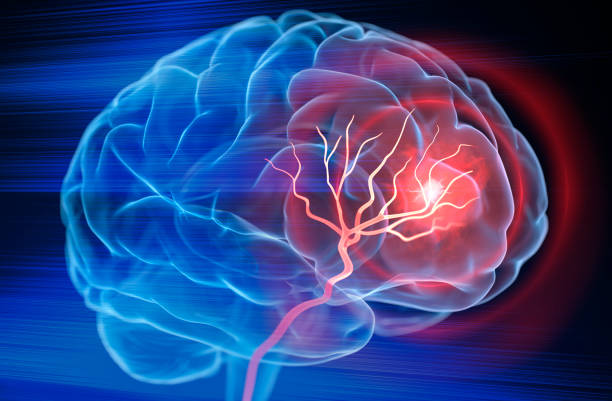
Stroke is a serious medical emergency that needs immediate attention. If symptoms such as sudden weakness, facial drooping, trouble speaking, loss of balance, or sudden vision changes appear, emergency hospital care should not be delayed. Early diagnosis and the right treatment can make a major difference to survival, recovery, and long-term function.
Patients looking for stroke treatment in Thane often need more than emergency care alone. They need specialist evaluation to understand the cause of the stroke, guidance on medicines and recovery, careful prevention planning, and clear answers about what comes next. Dr. Siddharth Kharkar combines advanced neurological expertise, careful diagnosis, and patient-friendly communication to help patients and families move forward with clarity and confidence.
What is Stroke?
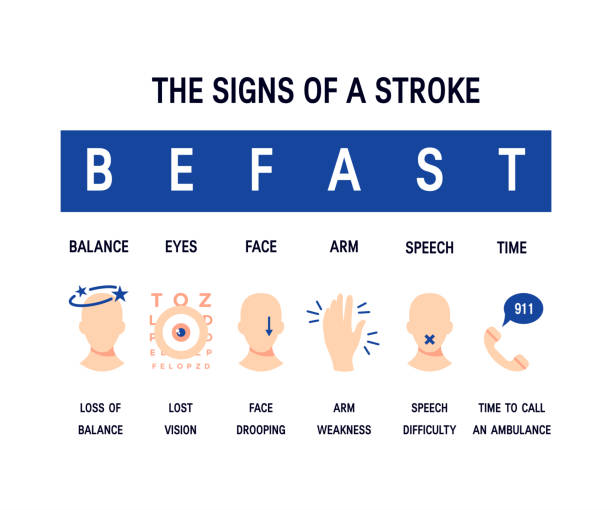
Stroke happens when the blood supply to part of the brain is blocked or when a blood vessel in the brain bleeds. In either case, brain cells are injured, which can affect movement, speech, balance, memory, vision, swallowing, or other daily functions. The impact depends on the type of stroke, which part of the brain is involved, how quickly treatment begins, and the person’s overall health.
Common signs and symptoms may include:
Sudden weakness or numbness of the face, arm, or leg, especially on one side
Trouble speaking, slurred speech, or difficulty understanding words
Sudden loss of balance, dizziness, or difficulty walking
Sudden change in vision in one or both eyes
Severe sudden headache or sudden confusion
Do not ignore the signs of stroke. Sudden symptoms need emergency care immediately, and specialist follow-up can improve recovery and reduce future risk.
Different Types of Strokes
Stroke can differ in cause, severity, urgency, and treatment needs. The main types include:
1. Ischemic Stroke
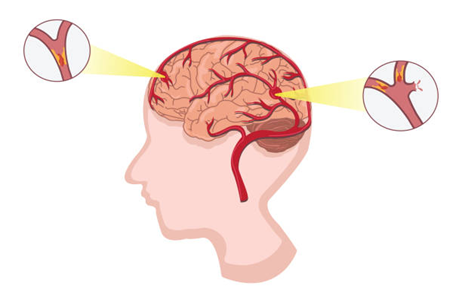
This is the most common type of stroke. It happens when a blood clot or narrowed artery reduces blood flow to part of the brain. Treatment may include emergency clot-dissolving therapy, clot-removal procedures in selected cases, and long-term prevention planning.
2. Hemorrhagic Stroke
This type happens when a blood vessel in the brain ruptures and causes bleeding. Treatment decisions depend on the location and severity of the bleed, the pressure on the brain, and the patient’s overall condition.
3. Transient Ischemic Attack (TIA)
A TIA is sometimes called a mini-stroke. Symptoms may improve quickly, but it still needs urgent assessment because it can be a warning sign of a more serious stroke in the future.
4. Brain Stem Stroke
Some patients are seen after an earlier stroke because of weakness, speech difficulty, imbalance, seizures, memory changes, spasticity, or concern about recurrence. These cases need careful neurological review and a structured treatment plan.
Here’s why patients rely on Dr. Kharkar, a brain specialist in Thane.
Why Choose Dr. Siddharth Kharkar for Stroke Treatment in Thane?
Advanced Expertise
Dr. Siddharth Kharkar is an internationally trained neurologist with training across KEM Hospital, Johns Hopkins, Washington Hospital Center, Drexel University, UCSF, and King’s College London. His background reflects global standards in neurological care combined with a practical, patient-focused approach.
Accurate Diagnosis
Stroke care starts with finding the true cause. Dr. Kharkar emphasizes detailed clinical evaluation and the use of investigations such as MRI, EEG, and blood work where needed to reach the root diagnosis instead of relying on guesswork.
Extensive Experience
With more than two decades of experience in neurology, he brings careful judgement to complex cases. This matters when a patient needs thoughtful evaluation, not rushed decision-making.
Personalized Treatment
Not every patient with stroke needs the same plan. Treatment depends on stroke type, stage of recovery, symptoms, risk factors, prior reports, and the patient’s functional goals.
Focus on Recovery
Recovery is not only about surviving the acute event. It is about mobility, speech, confidence, prevention, daily function, and long-term safety.
Trusted Patient Care
Patients and families often feel frightened, rushed, and confused after a stroke. Dr. Kharkar’s approach is built around clear explanation, coordinated care when needed, and long-term support.
Stroke Treatment Success Rates and Results
Treatment is not only about addressing the immediate problem. It is also about improving function, reducing the risk of complications, supporting rehabilitation, and helping patients return to daily life with greater stability. With timely diagnosis, the right medical decisions, and structured follow-up, many patients can achieve better long-term recovery and stronger prevention against future events.
Improved symptom control with timely specialist intervention.
Better recovery potential through structured treatment planning.
Reduced risk of complications and repeat stroke through ongoing monitoring.
Greater patient confidence through individualized care and clear communication.
These outcomes reflect the combination of experience, precision, and patient-centered neurological care that defines Dr. Siddharth Kharkar’s approach.
Concerned about stroke recovery, repeated symptoms, or future stroke risk? Consult a trusted neurologist for early guidance and preventive care.
So, what treatment options are available for stroke treatment in Thane?
Types of Stroke Treatment Offered
Emergency Triage and Immediate Guidance
If a person has sudden stroke symptoms, the right first step is emergency hospital care, not delay. The safest next move is urgent emergency evaluation.
Neurological Stroke Evaluation
After emergency stabilization, specialist evaluation helps determine the likely cause of the stroke, the affected brain function, future risk, and the most appropriate next steps. This may involve review of scans, blood tests, risk factors, medicines, and prior hospital records.
Medical Management and Secondary Prevention
Many patients need treatment to reduce the risk of another stroke. Depending on the diagnosis, this may include medicines, blood pressure control, diabetes management, cholesterol treatment, and lifestyle guidance.
Recovery and Rehabilitation Planning
Recovery often involves more than one specialist. Patients may need support with movement, speech, swallowing, balance, cognition, and day-to-day functioning.
Second Opinions for Complex Cases
Some families need help understanding conflicting advice, unclear diagnosis, slow recovery, recurrent symptoms, or whether a more advanced treatment is actually necessary.
Dr. Siddharth Kharkar’s Approach to Stroke Care
Comprehensive Evaluation
The first step is to understand exactly what happened. Dr. Kharkar begins with detailed history, symptoms, examination, and targeted investigations to identify the root cause and avoid guesswork.
Tailored Treatment Plan
Treatment is then based on the type of stroke, current deficits, timing, prior emergency treatment, risk factors, imaging findings, and patient goals. The plan is built around what is medically right for that person.
Close Monitoring
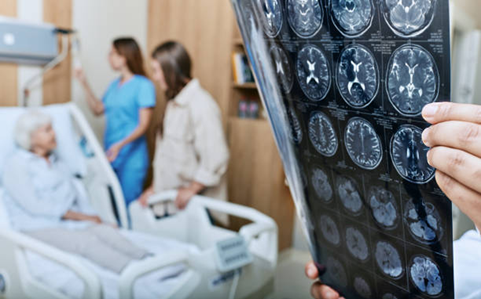
Recovery and prevention require follow-up. Medicines may need adjustment, symptoms may evolve, and families often need guidance as the patient transitions from hospital to home.
Multidisciplinary Support
When needed, care may involve physiotherapy, speech therapy, rehabilitation medicine, nutrition guidance, and coordination with hospital-based teams.
Long-Term Follow-Up
The goal is not only short-term improvement. It is also to lower recurrence risk, support independence, and help patients and families understand the road ahead in simple language.
Looking for advanced and personalized care after stroke? Consult a specialist for a treatment plan tailored to your needs.
Here’s what patients should know about pricing.
Cost of Stroke Treatment in Thane
The cost of stroke treatment in Thane can vary depending on several factors, such as:
- The type and severity of the stroke.
- Emergency hospital treatment, ICU care, scans, and specialist evaluation required.
- The type of medicines, procedures, or interventions recommended.
- Hospital stay, follow-up visits, and rehabilitation needs.
- The hospital, clinic, and facilities involved in treatment.
In many cases, treatment expenses may be partially or fully covered under health insurance, depending on the policy, the hospital, and the treatment category. Patients should confirm approvals, coverage details, and reimbursement conditions in advance.
Frequently Asked Questions
1. What is the recovery time for stroke?
Recovery time varies widely. It depends on the type of stroke, how quickly treatment started, which part of the brain was affected, the severity of the injury, and how much rehabilitation is needed. Some patients improve steadily over weeks, while others need longer-term recovery support.
2. Is stroke treatment covered by health insurance in India?
Many parts of stroke treatment may be covered, especially emergency hospitalization, scans, procedures, and inpatient care, depending on the policy and provider network. Patients should confirm coverage, exclusions, and approval requirements with their insurer before treatment whenever possible.
3. Can lifestyle changes help improve recovery or prevent recurrence?
Yes. Blood pressure control, diabetes management, smoking cessation, medication adherence, physical rehabilitation, and regular follow-up can all play an important role in reducing future stroke risk and supporting recovery.
4. When should I consult a specialist for stroke?
If stroke symptoms are sudden and ongoing, go to the nearest emergency department immediately. After emergency treatment, a neurologist should be consulted for cause evaluation, recovery planning, prevention, and second opinions when needed.
Disclaimer:
The information shared in this content is for educational purposes only and should not be considered a substitute for professional medical advice, diagnosis, or treatment.