
Epilepsy Treatment in Thane
Living with seizures can be frightening, not only for patients, but also for the families around them. Many people come to us after a first seizure, after months of uncertainty, or after treatment elsewhere has not brought the control they were hoping for. If you are looking for epilepsy treatment in Thane, the most important first step is not guesswork. It is careful diagnosis.
At NeuroPlus Epilepsy & Parkinson’s Disease Clinic, Dr. Siddharth Kharkar provides specialist-led care for epilepsy and seizure disorders with a clear, measured approach. He is an internationally trained neurologist with dedicated training in epilepsy, including fellowship training at UCSF, and brings together detailed clinical evaluation, EEG and Video EEG-based assessment, and personalized treatment planning for patients in Thane and nearby areas.
Dr. Kharkar’s focus is simple. Listen carefully. Identify the real cause. Explain the condition clearly. Treat precisely. Many patients improve with the right medicines and structured follow-up. When seizures remain difficult to control, advanced options are considered thoughtfully and only when truly appropriate.
Patients visit from Thane West, Jambli Naka, Ghodbunder Road, Hiranandani Estate, Patlipada, Majiwada, Kalwa, and nearby neighborhoods because they want specialist evaluation with continuity of care close to home. The goal is not simply to label the problem. It is to understand it well enough to make treatment safer, clearer, and more effective.
What Is Epilepsy?
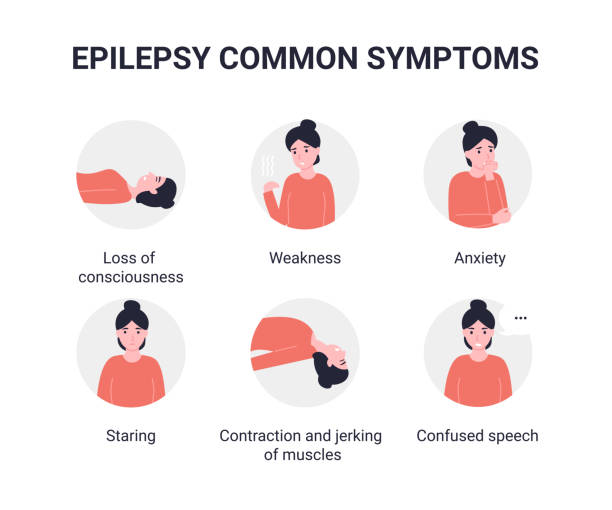
Epilepsy is a neurological condition in which a person has repeated seizures caused by abnormal electrical activity in the brain. A seizure does not always look dramatic. In some people, it may cause shaking or loss of consciousness. In others, it may appear as a brief blank stare, sudden confusion, unusual body movements, or episodes of unresponsiveness.
That is why epilepsy is sometimes misunderstood or missed in the early stage. Two patients may both have seizures but describe very different symptoms. Proper treatment depends on identifying the seizure type, understanding possible triggers, reviewing past events carefully, and deciding whether tests such as EEG, Video EEG, MRI, or blood work are needed. This diagnosis-first approach is central to epilepsy care.
Different types of epilepsy
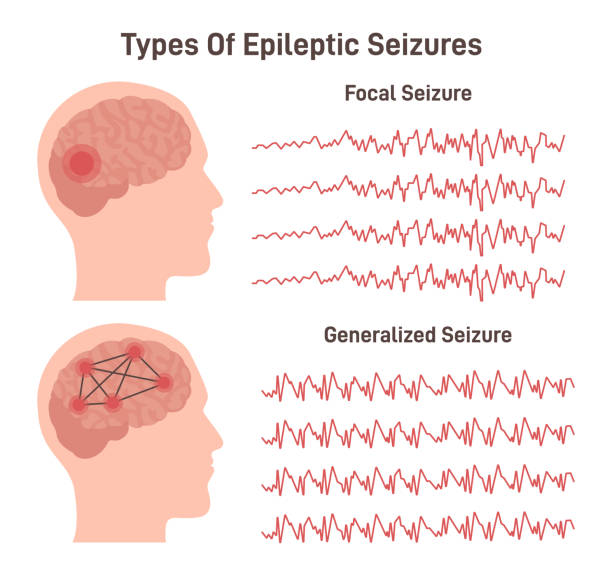
Understanding the type of epilepsy matters because treatment should match the pattern of seizures, the likely brain involvement, and the patient’s daily needs. The main types include:
Focal Epilepsy:
These seizures begin in one specific area of the brain. Some remain limited to that region. Others spread and become more visible or more severe. Symptoms can include altered awareness, unusual sensations, jerking in one part of the body, or episodes of confusion.
Generalized Epilepsy:
These seizures involve both sides of the brain from the beginning. They may present as tonic-clonic seizures, brief staring spells, sudden jerks, or other generalized seizure patterns.
Unknown Onset:
Sometimes the exact starting point is not clear at first. This is common when the event was not witnessed properly or when earlier investigations were incomplete. With careful history, EEG review, and imaging where needed, the diagnosis often becomes clearer.
Combined Epilepsy :
Some patients may have features of both focal and generalized seizure patterns. These cases need more careful interpretation and a more individualized treatment plan.
Are you struggling with seizures, blackouts, or unexplained episodes? A specialist evaluation can help bring clarity. |
Check out the treatment options at our epilepsy clinic in Thane.
Types of Epilepsy Treatments We Provide
At NeuroPlus Clinic, epilepsy treatment in Thane is built around one principle: the right treatment depends on the right diagnosis. We do not begin with the most aggressive option. We begin by understanding the seizure pattern properly, reviewing what has already been tried, and deciding what is medically appropriate for that individual patient.
Here are the treatment options we provide:
Medication Management
For many patients, the most effective treatment is the right anti-seizure medicine chosen carefully and monitored properly. Medication is not just about starting a tablet. It is about selecting the medicine according to seizure type, age, overall health, lifestyle, and side-effect profile. It is also about reviewing response over time and making measured adjustments when needed.
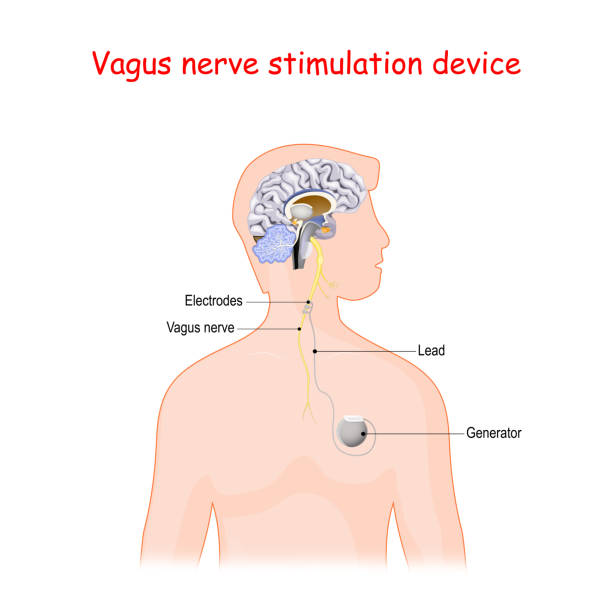
Vagus Nerve Stimulation (VNS)
For some patients whose seizures do not respond well enough to medicines alone, VNS may be considered. This therapy uses a small implanted device that sends gentle signals through the vagus nerve and may help reduce seizure frequency in selected cases.
Deep Brain Stimulation (DBS)
DBS is not needed for most epilepsy patients, but in selected situations and carefully assessed cases, advanced stimulation-based treatment may be part of the discussion. It is considered only after proper evaluation and when the likely benefit justifies the intervention.
Resective Epilepsy Surgery
When seizures arise from a clearly defined brain area and the patient is an appropriate candidate, epilepsy surgery may be considered. The decision is never rushed. It depends on detailed work-up, seizure localization, imaging, and a careful review of expected risks and benefits.
Epilepsy Management Beyond Medicines
Epilepsy care also includes practical guidance. Sleep, stress, medication timing, safety precautions, work patterns, and seizure triggers can all influence seizure control. Patients and families often feel more confident when they understand what may worsen seizures and how to respond when one happens.
Treatment for Drug-Resistant Epilepsy
If seizures continue despite appropriate medication trials, the next step is not despair. It is a more advanced assessment. In these cases, we review the diagnosis again, look closely at EEG and imaging findings, consider whether the seizure type has been classified correctly, and explore suitable advanced options where necessary.
Read on to understand what epilepsy treatment in Thane looks like at our clinic.
Our Approach & Procedure
At NeuroPlus Clinic, no two epilepsy cases are treated as identical. Some patients come after a first seizure. Others have lived with epilepsy for years. Some need reassurance and careful observation. Others need more advanced work-up. The process always begins with listening properly.
Here’s how we work:
Detailed Consultation
The first consultation focuses on the story behind the seizure. We review the exact event, what happened before and after it, old prescriptions, previous scans or EEGs, response to medicines, and the patient’s day-to-day difficulties. Often, this alone provides important clues.
Advanced Diagnostic Tools
When needed, investigations such as EEG, Video EEG, MRI, and selected blood tests help improve diagnostic accuracy. These tests are not ordered automatically. They are chosen because they may change diagnosis, clarify seizure type, or guide treatment safely.
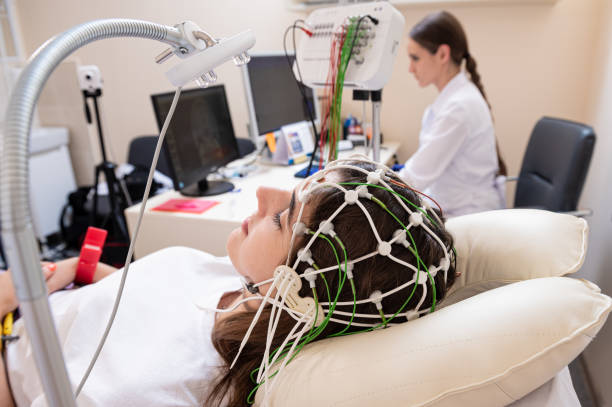
Customized Treatment Plan
Treatment is tailored according to the confirmed or likely diagnosis, seizure frequency, patient age, occupation, family responsibilities, side effects, and long-term goals. Some patients need medicine optimization. Some need further diagnostic clarification. A smaller group may need evaluation for advanced therapies.
Specialized Care for Drug-Resistant Epilepsy
If seizures remain uncontrolled, we reassess carefully rather than simply adding more medicines without a clear reason. This may include more detailed seizure characterization, review of prior investigations, and consideration of pathways such as VNS, DBS, or epilepsy surgery evaluation if clinically appropriate.
Continuous Monitoring and Support
Epilepsy treatment is rarely a one-visit process. It improves with continuity. Follow-up allows us to monitor seizure response, review side effects, improve medication fit, and guide patients and families more confidently over time. This is especially useful for patients in Thane who want easy consultation access and ongoing specialist follow-up without fragmented care.
If seizures are ongoing, changing, or not responding to treatment, a specialist review may help define the next step more clearly.
Cost of Epilepsy Treatment
The cost of epilepsy treatment in Thane depends on the nature of the condition and the level of evaluation required. Some patients need consultation and medication planning alone. Others may need EEG, MRI, Video EEG, or more advanced treatment discussions. Because epilepsy care can vary significantly from one case to another, it is better to think in terms of treatment pathway rather than one fixed package.
The main factors that can influence the overall cost include the complexity of the diagnosis, whether investigations are needed, whether medicines need long-term adjustment, and whether advanced therapies are being considered. A patient with well-classified epilepsy controlled on medicines will have a very different care pathway from a patient with persistent, unclear, or drug-resistant seizures.
Our approach is to recommend only what is medically necessary. The aim is clarity, not over-treatment. Patients and families are guided step by step so they understand why a test or treatment is being advised and how it fits into the overall plan.
What about insurance coverage?
Insurance coverage for epilepsy treatment may vary depending on the policy, the investigations required, and whether hospital-based procedures or surgery are involved. Outpatient consultations and medicines may be handled differently from inpatient admissions, procedures, or surgical care.
Where required, we help patients with clear medical documentation, records, and relevant treatment summaries. The exact scope of reimbursement depends on the insurer and the individual policy terms, so it is best to confirm coverage directly with your provider.
Our Epilepsy Treatment Results & What They Mean
In epilepsy care, success is not measured only by one number. For one patient, success may mean complete seizure freedom. For another, it may mean a major reduction in seizure frequency, fewer medication side effects, improved safety, and greater confidence in daily life.
The goal is meaningful improvement based on the realities of the case. Under specialist care, many patients achieve better seizure control through accurate diagnosis, proper medication selection, and structured follow-up. In carefully selected cases, advanced therapies may also offer significant benefit.
Why Choose Dr. Siddharth Kharkar for Epilepsy Treatment in Thane?
Specialist Experience in Epilepsy
Dr. Siddharth Kharkar is not a general neurological name placed beside epilepsy as one of many services. He has dedicated training in epilepsy, including fellowship training at UCSF, along with international neurology training and board certification. That matters when seizure diagnosis is unclear or treatment decisions need precision.
Accurate Diagnosis Comes First
Many epilepsy patients are treated before the diagnosis has been fully understood. Dr. Kharkar’s approach is different. The first priority is to understand what the events truly represent, where needed using careful clinical assessment, EEG, Video EEG, MRI, and other investigations to reduce uncertainty.
Clear Explanations for Patients and Families
Neurological symptoms can be frightening when they are not explained properly. Patients value calm, understandable guidance. Dr. Kharkar is known for clear communication that helps families understand what is happening, what the likely diagnosis is, and why a treatment plan is being recommended.
Ethical and Personalized Treatment Selection
Not every patient needs advanced procedures. Many patients do well with medicines and structured follow-up. When more advanced options are discussed, it is because the diagnosis and treatment journey justify it, not because aggressive treatment sounds impressive.
Local Continuity of Care in Thane
Patients from Thane and nearby areas benefit from easier access to consultation, follow-up review, and coordinated diagnostic planning. That continuity is especially important in epilepsy, where response over time often matters as much as the first prescription. Before moving to the common questions patients ask, it is worth remembering this: seizures should not be dismissed, guessed at, or managed casually. If you or a family member is still uncertain about the diagnosis, still having episodes, or still searching for better seizure control, a specialist evaluation can help bring structure and clarity to the next step.
Hear what patients have to say about us.
Google Reviews
Posted onTrustindex verifies that the original source of the review is Google. Best treatment and best resultPosted onTrustindex verifies that the original source of the review is Google. Dr. Siddharth Kharkar is one of the best Neurologists in Nanavati max hospital He is one of the Epilepsy Specialists and one of the best Parkinson's specialists ...Posted onTrustindex verifies that the original source of the review is Google. Dr kharkar is really a good, supportive & helpful person.... I am under his treatment since Nov.2023 for parkinsons. I am 75% ok now. Only one thing if the clinic was nearby Vile Parle it was extremely good.Posted onTrustindex verifies that the original source of the review is Google. Dr. Kharkar is incredibly knowledgeable. He is also kind and gentle. Highly recommend.Posted onTrustindex verifies that the original source of the review is Google. Dr Sidharth kharkar does very careful & thorough examination.He asks only rt.& necessary tests for illness. He explains d treatment in simple words to d patient. He shows Ray of Hope for Path of LifePosted onTrustindex verifies that the original source of the review is Google. "Dr.siddharth kharkar is a gem of a person. The way he listens to us, talks to us itself will surely give a great confidence. He explains each and everything very patiently and spends enough time for everyone".I would suggest people to please visit him only in case of any neurological issue because he is very smart in diagnosis part ❤️
Frequently Asked Questions
Is epilepsy curable?
Some forms of epilepsy can be controlled very well, and some carefully selected patients may eventually become seizure-free, especially when the diagnosis is accurate and treatment is matched properly. In other cases, the goal is long-term seizure control and safer daily functioning.
How long does diagnosis take?
It depends on the case. In some patients, the history and consultation already make the diagnosis fairly clear. In others, EEG, Video EEG, MRI, or review of previous records may be needed before the seizure type and treatment direction can be defined confidently.
What if medicines do not work?
If seizures continue despite treatment, the next step is specialist reassessment. Sometimes the diagnosis needs refinement. Sometimes the seizure type needs better classification. Sometimes advanced options need to be considered. Persistent seizures should not simply be accepted without a deeper review.
Is epilepsy surgery safe?
Epilepsy surgery can be a valuable option in selected patients, but it is never recommended casually. Safety and suitability depend on where seizures begin, what testing shows, and whether the expected benefit justifies the risk. Proper evaluation is essential.
Do all seizures mean epilepsy?
No. Not every seizure-like episode is epilepsy. Some events may have other causes, which is why proper neurological assessment is important before long-term treatment decisions are made.
When should I seek a second opinion?
A second opinion is worth considering if seizures are continuing despite medicines, the diagnosis remains unclear, side effects are difficult, or advanced treatment has been suggested without enough explanation.
Is epilepsy treatment in Thane available with follow-up support?
Yes. Ongoing follow-up is an important part of care, especially when medicines need adjustment, seizure patterns change, or the diagnosis is still being refined.
Disclaimer: The information shared here is for educational purposes and should not be used as a substitute for direct medical consultation.