
Migraine Treatment in Thane

Migraine is more than just a temporary headache problem. It can interfere with work, sleep, concentration, travel, and day-to-day life. When headaches become frequent, severe, or difficult to understand, the right specialist evaluation becomes important.
At NeuroPlus Clinic, Dr. Siddharth Kharkar, an internationally trained neurologist, provides advanced migraine treatment in Thane. His approach is simple and careful: listen closely, identify the real cause, explain the diagnosis clearly, and build a treatment plan that fits the patient rather than forcing every patient into the same treatment path.
What is Migraine?
Migraine is a neurological condition that causes recurring headache attacks and a range of associated symptoms. For some people, the pain is throbbing and one-sided. For others, the main problem may be nausea, sensitivity to light, visual symptoms, dizziness, or a feeling of complete exhaustion during and after an attack.
Many patients live with migraine for years without a clear diagnosis. They may assume it is sinus trouble, stress, eye strain, cervical pain, or “just headaches.” Proper neurological evaluation helps distinguish migraine from other headache disorders and helps identify whether the pattern is straightforward, chronic, medication-related, or linked to another medical issue.
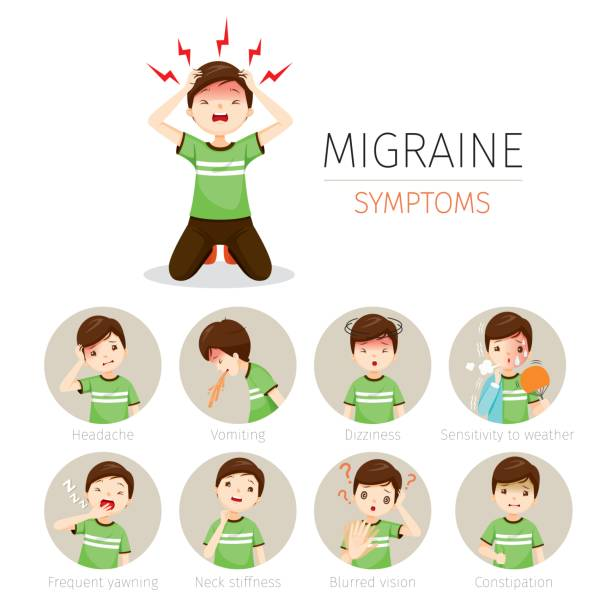
Migraine Symptoms
Migraine symptoms can vary from person to person. Common symptoms include throbbing or pressure-like head pain, nausea, vomiting, sensitivity to light, sensitivity to sound, visual aura, dizziness, neck discomfort, and worsening pain with routine activity. Some patients have occasional attacks. Others may develop frequent headaches that affect productivity, family life, and emotional well-being. If headaches are becoming more regular, more intense, or more disruptive, it is worth getting them assessed properly rather than continuing trial-and-error treatment at home.
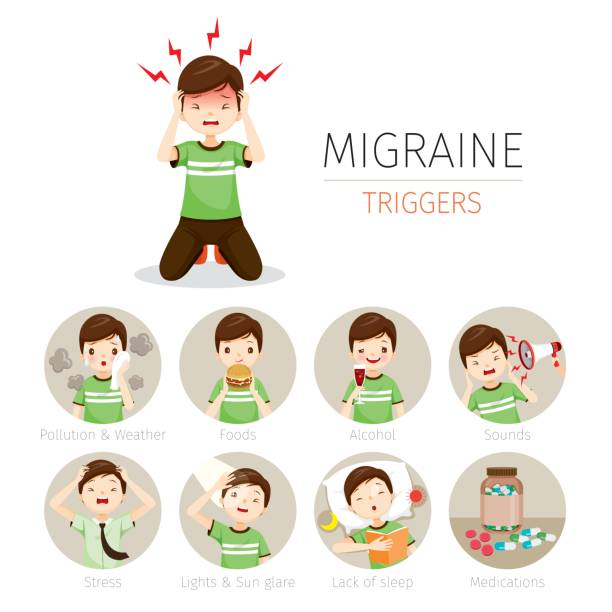
Migraine Triggers
genetic factors. Common triggers include poor sleep, stress, dehydration, missed meals, hormonal changes, prolonged screen exposure, certain foods, strong smells, and irregular caffeine intake. The key point is that migraine treatment works best when the pattern is understood clearly. Two patients may both say they have “migraine,” but the frequency, trigger profile, warning symptoms, associated anxiety, sleep pattern, and need for preventive treatment may be very different. That is why accurate diagnosis comes first. Let’s understand the types.
Let’s understand the types
Different Types of Migraine
Common types include:
Migraine without aura – This is the most common pattern. Patients usually experience recurring headache attacks with nausea, light sensitivity, or sound sensitivity, but without a preceding visual or sensory warning.
Migraine with Aura – Some patients notice visual changes, flashing lights, zig-zag lines, numbness, or other warning symptoms before the headache begins. These episodes need careful assessment so that they are not confused with other neurological conditions.
Chronic Migraine – This refers to very frequent headache days over time. These patients often need a more structured long-term plan rather than only attack-by-attack treatment.
Menstrual Migraine – In some women, attacks follow a hormonal pattern and worsen around the menstrual cycle. Identifying this pattern can make treatment more targeted.
Medication-overuse headache – Frequent use of painkillers can sometimes worsen the headache cycle rather than solve it. This is a common and very treatable reason for chronic daily headache.
Vestibular Migraine – Some patients have migraine associated with dizziness, imbalance, or motion sensitivity. These cases are often misunderstood at first and may require specialist neurological review.
Don’t let migraine affect your quality of life—book an appointment with a specialist for advanced migraine treatment in Thane.
Here’s why Dr. Siddharth Kharkar stands out for migraine care.
Why Choose Dr. Siddharth Kharkar for Migraine Treatment in Thane?
Dr. Siddharth Kharkar is an internationally trained neurologist with advanced clinical exposure from Seth G.S. Medical College and KEM Hospital, Johns Hopkins, Washington Hospital Center, Drexel University, UCSF, and King’s College London. His training brings global standards of neurological care to patients in Mumbai and Thane.
His approach to migraine is thoughtful and precise. The first step is not simply to prescribe medicines. It is to understand the headache pattern properly, identify red flags if they exist, rule out the important alternative causes, and decide what level of treatment is actually needed.
Patients and families often value three things most during neurological care: being heard carefully, receiving a clear explanation, and getting a plan that feels sensible. That is exactly how Dr. Kharkar practices. He explains complex neurological problems in simple language and helps patients understand what is happening and why a particular treatment plan is being recommended.
Internationally trained neurologist with deep experience in complex neurological diagnosis
Careful evaluation to distinguish migraine from other headache disorders
MRI, blood tests, and further neurological work-up only when clinically indicated
Personalized treatment based on attack frequency, symptom pattern, severity, and daily impact
Focus on long-term control, not just temporary relief
Clear, calm communication that reduces fear and confusion
Specialist care available in Thane with a patient-centered approach
Migraine is a neurological condition that causes recurring headache attacks and a range of associated symptoms. For some people, the pain is throbbing and one-sided. For others, the main problem may be nausea, sensitivity to light, visual symptoms, dizziness, or a feeling of complete exhaustion during and after an attack.
Many patients live with migraine for years without a clear diagnosis. They may assume it is sinus trouble, stress, eye strain, cervical pain, or “just headaches.” Proper neurological evaluation helps distinguish migraine from other headache disorders and helps identify whether the pattern is straightforward, chronic, medication-related, or linked to another medical issue.
Migraine Treatment Results and What Patients Can Expect
The cost of migraine treatment in Thane depends on several factors:
- Type and frequency of migraine
- Whether diagnostic tests are required
- Choice of medicines and duration of treatment
- Need for ongoing follow-up
- Whether the headache pattern is simple, chronic, or treatment-resistant
Some patients may only need consultation and medication planning. Others may need more detailed evaluation, especially if the diagnosis is unclear or the symptoms have changed. Insurance applicability depends on the policy, the nature of treatment, and whether any hospital-based investigation or procedure is involved.
Struggling with frequent headaches that keep coming back? Get evaluated by an experienced neurologist.
Check out the treatment options available.
Types of Migraine Treatment We Provide
Dr. Siddharth Kharkar provides migraine treatment in Thane that is tailored to the individual patient. Depending on the diagnosis and severity, treatment options may include:
Acute attack treatment – Medicines to reduce pain, nausea, and other symptoms during a migraine episode.
Preventive treatment – For patients with frequent or disabling attacks, preventive medicines may help reduce how often migraines occur and how severe they become.
Trigger-based management – Identifying patterns related to sleep, meals, stress, hormones, screen time, or lifestyle so the treatment plan addresses more than just the pain.
Medication review – Assessment of painkiller overuse or ineffective medicine patterns that may be worsening the condition.
Supportive lifestyle guidance – Practical advice on sleep, hydration, meal timing, caffeine, work routines, and other migraine-relevant habits.
Further neurological evaluation when needed – If symptoms are unusual, progressive, or not fitting a typical migraine pattern, imaging or other investigations may be advised to clarify the diagnosis. The goal is not to give the most aggressive treatment. The goal is to give the right treatment.

Here’s what to expect
Our Approach and Procedure
1. Consultation
Treatment begins with a detailed consultation. Dr. Kharkar reviews the headache pattern, duration, severity, associated symptoms, triggers, previous treatments, medical history, and any warning signs that may suggest a different neurological cause.
2. Diagnosis and evaluation
A careful neurological examination is performed. In many patients, migraine can be diagnosed clinically through history and examination. If the pattern is atypical, severe, new, changing, or associated with concerning symptoms, MRI, blood tests, or selected further evaluation may be advised. EEG is not needed for routine migraine diagnosis, but may be considered in select cases when the history suggests another neurological possibility.

3. Creating a treatment plan
Once the pattern is clear, a personalized treatment plan is built. This may include treatment for attacks, preventive therapy, trigger modification, and guidance on what to do when a migraine begins.
4. Advanced treatment options
For chronic, resistant, or confusing headache patterns, treatment needs to be more structured. The focus remains on accurate diagnosis, avoiding unnecessary treatment, and using more advanced options only when they are genuinely appropriate.
5. Lifestyle and trigger management
Migraine care is often more successful when medicine and daily habits work together. Patients are guided on sleep hygiene, hydration, meal regularity, screen exposure, stress management, and trigger awareness in a practical way.
6. Regular follow-up
The cost of migraine treatment in Thane depends on several factors: Type and frequency of migraine Whether diagnostic tests are required Choice of medicines and duration of treatment Need for ongoing follow-up Whether the headache pattern is simple, chronic, or treatment-resistant Some patients may only need consultation and medication planning. Others may need more detailed evaluation, especially if the diagnosis is unclear or the symptoms have changed. Insurance applicability depends on the policy, the nature of treatment, and whether any hospital-based investigation or procedure is involved.
Here’s what influences the cost.
Cost of Migraine Treatment
The cost of migraine treatment in Thane depends on several factors:
- Type and frequency of migraine
- Whether diagnostic tests are required
- Choice of medicines and duration of treatment
- Need for ongoing follow-up
- Whether the headache pattern is simple, chronic, or treatment-resistant
Some patients may only need consultation and medication planning. Others may need more detailed evaluation, especially if the diagnosis is unclear or the symptoms have changed. Insurance applicability depends on the policy, the nature of treatment, and whether any hospital-based investigation or procedure is involved.
Looking for effective care for migraine? Book a consultation with an experienced neurologist in Thane.
Frequently Asked Questions
1. Can migraine be completely cured or only managed?
Migraine is usually managed rather than “cured” in a one-time sense. The good news is that many patients achieve very good control with the right diagnosis, the right medicines when needed, and a clear understanding of their trigger pattern.
2. When should I see a neurologist for migraine?
You should consider specialist care if headaches are frequent, severe, worsening, disrupting work or sleep, not responding well to usual treatment, or associated with symptoms such as visual changes, weakness, confusion, or unusual neurological complaints.
3. Do I need an MRI for migraine?
Not every patient with migraine needs imaging. Many migraines can be diagnosed through a careful history and neurological examination. MRI is considered when the headache pattern is new, atypical, progressive, or associated with warning features that need further evaluation.
4. What are common migraine triggers?
Common triggers include stress, missed meals, dehydration, irregular sleep, hormonal shifts, prolonged screen exposure, certain foods, and changes in caffeine intake. The exact pattern differs from person to person.
5. Can frequent painkiller use make migraine worse?
Yes. In some patients, repeated use of painkillers can contribute to medication-overuse headache and make headaches more frequent. This is an important reason why specialist evaluation can help.
6. What if I am not sure whether this is migraine or another type of headache?
That is a very common concern. One of the main goals of consultation is to determine whether the problem is migraine, another headache disorder, medication-overuse headache, or a different neurological issue altogether.
Disclaimer:
The information shared in this content is for educational purposes only and should not be treated as a substitute for a direct medical consultation, diagnosis, or treatment advice.