
NCV Test in Thane for Numbness, Tingling, Weakness, and Nerve Pain
If you have numbness, tingling, burning pain, hand weakness, foot weakness, or symptoms that may point to nerve damage or nerve compression, an NCV test in Thane may be advised as part of a careful neurological evaluation.
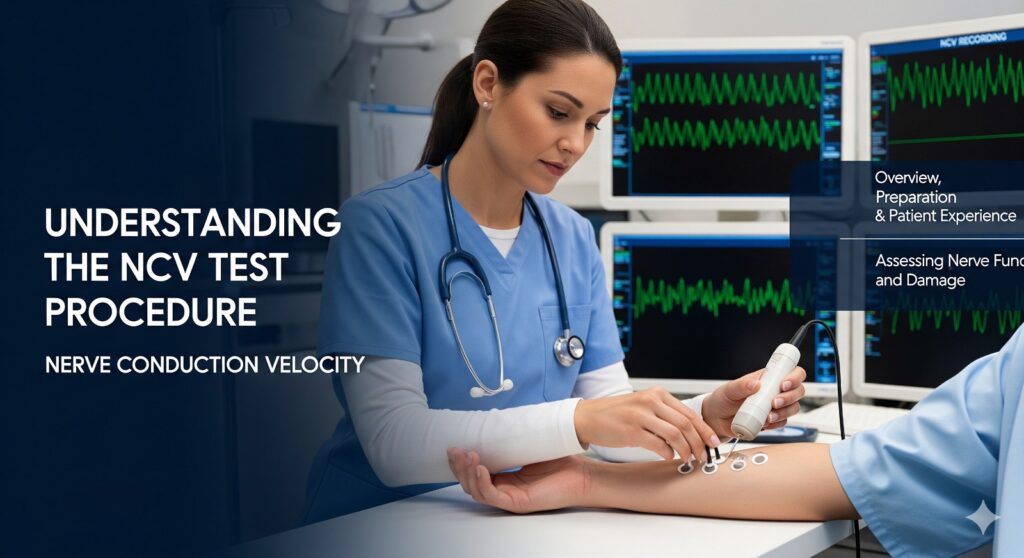
NCV stands for nerve conduction velocity study, also called a nerve conduction study. It checks how fast and how well electrical signals travel through the peripheral nerves. This helps your neurologist understand whether the nerves are functioning normally or whether there may be evidence of neuropathy, entrapment, or another nerve problem.
The purpose of the test is not only to produce a report. The purpose is to understand the cause of your symptoms and guide the right next step.
What Is an NCV Test?
An NCV test is a neurological diagnostic test that measures how well peripheral nerves carry electrical signals.
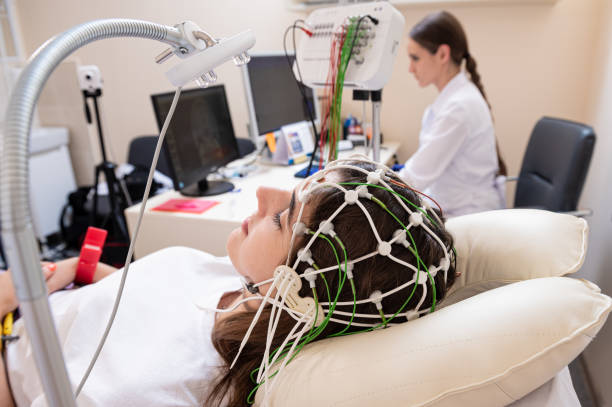
Small surface electrodes are placed on the skin over selected nerves or muscles. A brief electrical stimulus is given, and the response is recorded. The test helps measure the speed and strength of the nerve signal.
When signals are delayed, slowed, or weaker than expected, it can suggest nerve damage, nerve compression, or another problem affecting the nerve.


Why NCV May Be Recommended
Symptoms and Conditions It Helps Evaluate
NCV can help support the evaluation of:
- numbness in the hands, feet, or limbs
- tingling or pins-and-needles sensation
- burning pain
- weak grip or hand weakness
- foot weakness or leg weakness
- suspected peripheral neuropathy
- carpal tunnel symptoms
- ulnar nerve or other nerve compression symptoms
- possible nerve injury
- unexplained sensory changes
NCV helps identify whether the nerves are carrying signals normally and whether the problem may be focal or more widespread.
It is often combined with clinical examination and, when needed, EMG for a more complete picture.
What Happens During NCV
- 1. The test is explained You are told which nerves may be checked and why.
- 2. Electrodes are placed on the skin Small recording electrodes are placed over the skin along the nerve pathway or over a related muscle.
- 3. A brief electrical pulse is given A mild current is used to stimulate the nerve for a very short moment
- 4. The response is recorded The machine measures how quickly and how strongly the signal travels.
- 5. The process may be repeated in different areas This depends on your symptoms and which nerves need to be studied.
- 6. The neurologist interprets the pattern The value of the test lies in understanding what the findings mean in the context of your symptoms. The test duration varies depending on how many nerves need to be studied.
The total visit length depends on how many nerves and muscles need to be assessed.
Is NCV Painful or Risky?
This is one of the most common questions, and it is reasonable to ask.
Most patients do not describe NCV as truly painful, but they do notice it. The pulse can feel like a quick tingling, tapping, or mild electric-shock sensation. It may be briefly uncomfortable, especially in sensitive areas, but it is usually well tolerated.
NCV is generally a safe test. The electrical stimulus is controlled and short.
Patients with a pacemaker, implanted defibrillator, deep brain stimulator, or another implanted electrical device should inform the team before the test.

NCV vs EMG
NCV and EMG are often performed together, but they do not measure the same thing.
NCV looks at how well electrical signals travel through the nerve. EMG studies the electrical activity of the muscle and helps show how the muscle is responding.
Sometimes NCV alone is enough. In many cases, both tests are used together because they help distinguish whether symptoms are more likely to come from the nerve, the muscle, the nerve root, or a combination.
If EMG is needed, that will be explained separately before the test.
Understanding the Results
NCV results help show whether nerve signals are travelling at a normal speed and with normal strength.
If the signals are slow, delayed, or weak, the findings may support nerve compression, neuropathy, or another nerve disorder. The pattern matters because it helps show whether the problem affects one nerve, a group of nerves, or a more general nerve process.
An NCV report should never be read in isolation. The results must be interpreted along with your symptoms, neurological examination, and, when needed, EMG or other tests.
Dr. Siddharth Kharkar’s Diagnostic Approach
Dr. Siddharth Kharkar’s diagnostic approach is built on accurate diagnosis, clear communication, and specialist neurological interpretation.
For patients with tingling, numbness, burning sensation, or weakness, NCV is not used as a stand-alone formality. It is used as part of a broader evaluation designed to answer practical questions: Is this neuropathy? Is there evidence of nerve entrapment? Is the problem mild or more significant? What further testing or treatment is actually needed?
The aim is to reduce uncertainty, avoid guesswork, and build a treatment plan based on the real cause of symptoms rather than assumptions.
Dr. Kharkar’s training includes KEM Hospital in Mumbai, Johns Hopkins, neurology training in the United States, and fellowship training at UCSF. Use this section to reinforce specialist-led interpretation and careful diagnosis rather than promotional language.
When to See a Neurologist
You should not ignore symptoms such as:
- ongoing numbness
- recurrent tingling
- burning feet or hands
- dropping objects because of weak grip
- hand symptoms that wake you at night
- new or progressive limb weakness
- symptoms spreading from the feet upward
If these symptoms are persistent, worsening, or affecting daily function, a neurology consultation can help determine whether NCV, EMG, imaging, or another evaluation is the right next step.
Early assessment is especially important when weakness is increasing or when symptoms are interfering with walking, work, or sleep.

Nerve symptoms are common. Clear diagnosis is what matters.
Numbness, tingling, burning pain, and weakness can come from many causes. An NCV test helps answer whether the nerves are involved and how serious the problem may be.
If you are unsure whether you need an NCV test in Thane, the right first step is a specialist neurology consultation.
Frequently Asked Questions
What is the full form of NCV?
Why is an NCV test done?
What does the test feel like?
Is NCV painful?
How long does an NCV test take?
Do I need to prepare for the test?
How is NCV different from EMG?
Can NCV help in carpal tunnel or neuropathy?
When should I see a neurologist for tingling or numbness?

A clear diagnosis is the beginning of better treatment. If you are looking for an NCV test in Thane as part of a proper neurological evaluation, book a consultation with Dr. Siddharth Kharkar to understand what may be causing your symptoms and whether nerve conduction testing is the right next step.