
Brain Infection Treatment in Thane
Fever, severe headache, confusion, drowsiness, seizures, or neck stiffness can be frightening symptoms.
In some cases, they may point to a brain infection such as meningitis, encephalitis, or another serious neurological condition. What matters most is not guesswork, but careful assessment, timely diagnosis, and the right treatment plan.
I am Dr. Siddharth Kharkar, an internationally trained neurologist offering specialist neurological care in Thane and Mumbai. My approach is simple: listen carefully, assess thoroughly, identify the true cause, and recommend treatment that is precise, practical, and appropriate for the patient in front of me.
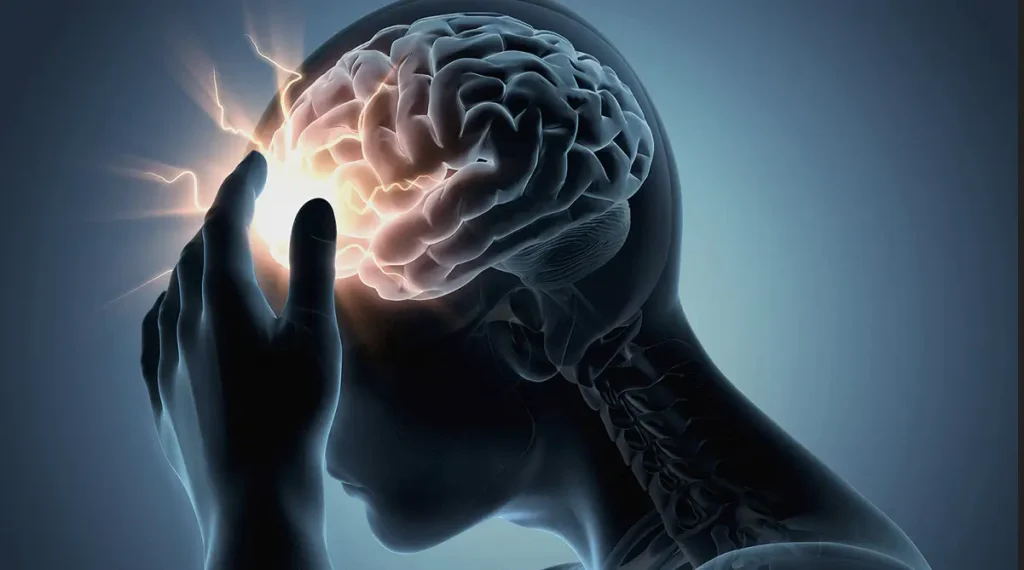
Clear diagnosis. Precise treatment. Compassionate care.
When a possible brain infection is involved, families often feel overwhelmed. They want to know how serious the condition is, what tests may be needed, and whether recovery is possible.
The first step is to understand exactly what is happening. Not every severe headache is meningitis. Not every episode of confusion is encephalitis. Not every seizure is caused by the same underlying problem. The goal is to identify the real cause quickly and guide the next decision with clarity.
What a brain infection can mean
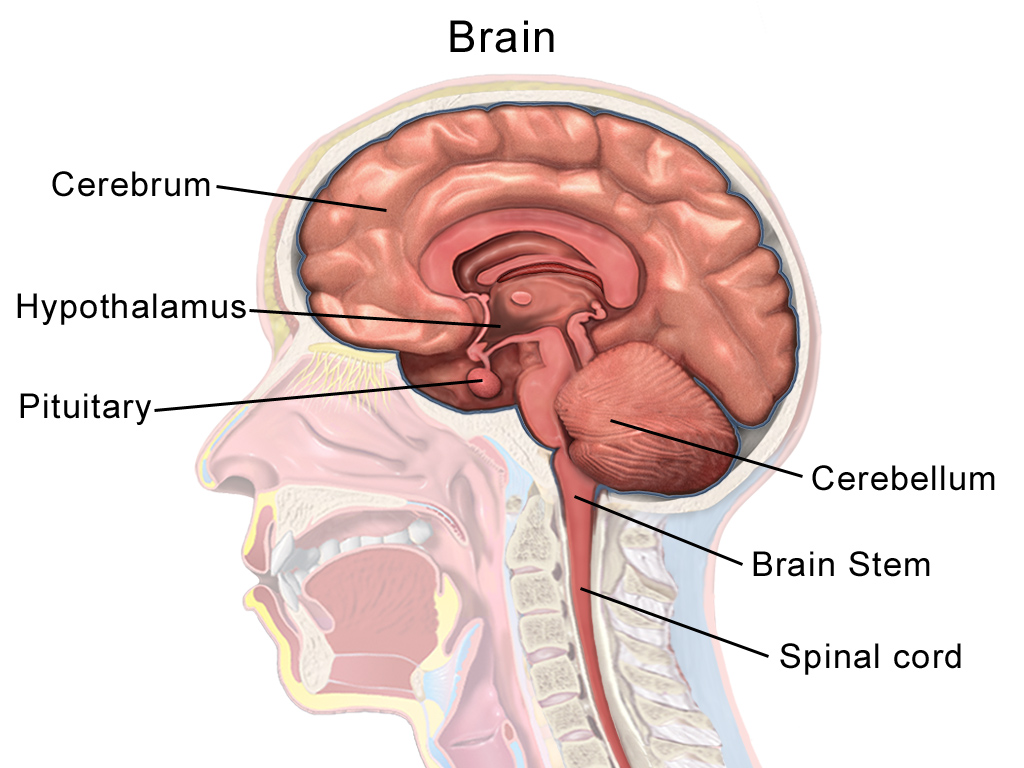
A brain infection is a serious condition affecting the brain, the tissues around it, or the nervous system more broadly. This may include infections such as meningitis, encephalitis, brain abscess, or other inflammatory and infective conditions involving the central nervous system.
Some patients become unwell very suddenly. Others may first develop symptoms that seem less specific, such as fever, headache, weakness, unusual sleepiness, behavior change, or seizures. Because these symptoms can overlap with other neurological problems, careful evaluation is essential.
How I approach possible brain infection cases
When a patient comes with suspected meningitis, encephalitis, neuro-infection, or unexplained severe neurological symptoms, the first priority is to understand the pattern clearly.
That usually begins with a detailed history, neurological examination, and a review of the timeline. I look at how symptoms started, how quickly they changed, whether seizures or altered awareness are present, and whether there are clues from recent illness, immune status, travel, prior admissions, or earlier scans and reports.
If further testing is needed, that may include MRI or CT imaging, blood tests, EEG, or spinal fluid testing. These are not advised routinely for every patient without thought. They are used when they are clinically relevant and when they help answer the most important question: what is the true cause, and what should be done next?
Just as important, I explain the reasoning clearly. Patients and families should understand why a test is being recommended, what it may show, and how it affects treatment decisions.
Treatment is based on the cause, not assumptions
There is no one-size-fits-all treatment for a brain infection.
Treatment depends on whether the problem is bacterial, viral, fungal, inflammatory, immune-related, or a complication of another neurological or medical illness. Some patients need urgent hospital-based treatment and close monitoring. Some need seizure management. Some need neurological follow-up after the acute infection has been treated. Some need a second opinion when recovery is incomplete or the diagnosis remains unclear.
My role is to help make those decisions with precision. The aim is not to use the most aggressive treatment by default. The aim is to recommend the right treatment for the diagnosis, the severity of symptoms, and the patient’s overall condition.
Why specialist neurological evaluation matters
Brain infections can affect more than just the infection itself. They may lead to seizures, persistent confusion, weakness, memory change, speech difficulty, imbalance, slowed recovery, or concerns about long-term neurological function.
This is where specialist neurological care becomes important. A patient may need help not only during the acute phase, but also afterward, when questions remain about seizures, recovery, cognition, movement, or future risk.
Careful neurological evaluation can help clarify whether symptoms are improving as expected, whether additional testing is needed, and whether long-term treatment or monitoring should be considered.

Why patients choose Dr. Siddharth Kharkar
I believe the first job is to make the diagnosis as accurately as possible. Neurology often requires patience, pattern recognition, and careful judgement. Serious symptoms should never be dismissed, but they should also never be approached casually or with unnecessary guesswork.
My training includes Seth G.S. Medical College and KEM Hospital, followed by advanced work at Johns Hopkins, Washington Hospital Center, Drexel University, UCSF, and King’s College London. That experience has shaped the way I practice: evidence-based, measured, and focused on the individual patient rather than a generic protocol.
Patients and families should feel informed, not intimidated. My goal is to explain clearly, guide treatment sensibly, and help people feel that the road ahead is understandable, even when the condition itself is worrying.
When to consult a neurologist in Thane
If you or your family is dealing with seizures, confusion, persistent headache, memory change, weakness, or other neurological symptoms during or after a suspected brain infection, specialist review can help bring clarity.
A careful consultation can help answer what may be happening, what tests are truly needed, whether recovery is on track, and what treatment or follow-up should come next.

If you are looking for brain infection treatment in Thane and want a calm, specialist-led, evidence-based approach, I can help assess the problem clearly and guide the next step with precision.
If symptoms are severe, rapidly worsening, or involve reduced responsiveness, repeated seizures, or breathing difficulty, do not delay urgent hospital care.
Symptoms that should not be ignored
Severe headache with fever
Stiff neck
Confusion or altered behavior
Drowsiness or reduced responsiveness
Seizures
Repeated vomiting
Sudden weakness or difficulty speaking
New imbalance or inability to walk properly
Marked sensitivity to light
Rapid worsening over hours or days
These symptoms do not always mean the same diagnosis. But they do mean the situation should be taken seriously and evaluated properly.
Because these symptoms overlap with other neurological conditions, careful specialist evaluation matters. This is where the expertise of an experienced neurologist in Thane becomes especially important.
Conditions and concerns that may also need evaluation
Seizures after infection
Confusion or memory problems
Weakness or slowed movement
Headache that persists after treatment
Balance or walking difficulty
Speech or concentration changes
Post-infectious neurological symptoms
Questions about recovery, recurrence, or long-term follow-up
These concerns should be evaluated in context. The right plan depends on the diagnosis, the patient’s progress, and whether symptoms are improving as expected.
About Dr. Siddharth Kharkar
Dr. Siddharth Kharkar is a trusted, internationally trained neurologist known for specialist care in epilepsy, Parkinson’s disease, and complex neurological disorders. He also treats migraine, stroke, memory disorders, vertigo, tremors, and other conditions affecting the brain, spinal cord, nerves, and muscles.
.
His work is guided by four principles: accurate diagnosis first, precise personalized treatment, clear communication, and global expertise delivered with human care. For patients in Mumbai and Thane, this means access to thoughtful neurological care that is both advanced and reassuring.

Frequently Asked Questions
Can a brain infection be treated successfully?
Yes, many brain infections can be treated, but the right treatment depends on the exact cause and how early the condition is recognized. Early assessment matters.
Will every patient need hospital admission?
Not always. Some patients require emergency admission and close monitoring. Others may need specialist neurological evaluation during or after treatment. The decision depends on severity, symptoms, and test findings.
Will I need MRI, EEG, or a lumbar puncture?
Only if they are clinically appropriate. These tests are chosen based on the symptoms, examination findings, and the specific diagnostic question that needs to be answered.
Can a brain infection cause seizures?
Yes. In some patients, seizures may happen during the infection or afterward. This is one reason neurological follow-up can be important.
When should I seek a second opinion?
Yes. A second opinion may be helpful when the diagnosis is unclear or symptoms continue despite treatment.
What if symptoms continue after the infection has been treated?
Some patients recover quickly. Others may continue to have headaches, fatigue, cognitive change, weakness, or seizures for some time. Persistent symptoms deserve proper reassessment rather than assumption.