
EEG Test in Thane for Seizure and Epilepsy Evaluation
If you or a family member has had a seizure, blackout, staring spell, sudden loss of awareness, or another unexplained episode, an EEG test in Thane may be advised as part of a careful neurological evaluation.
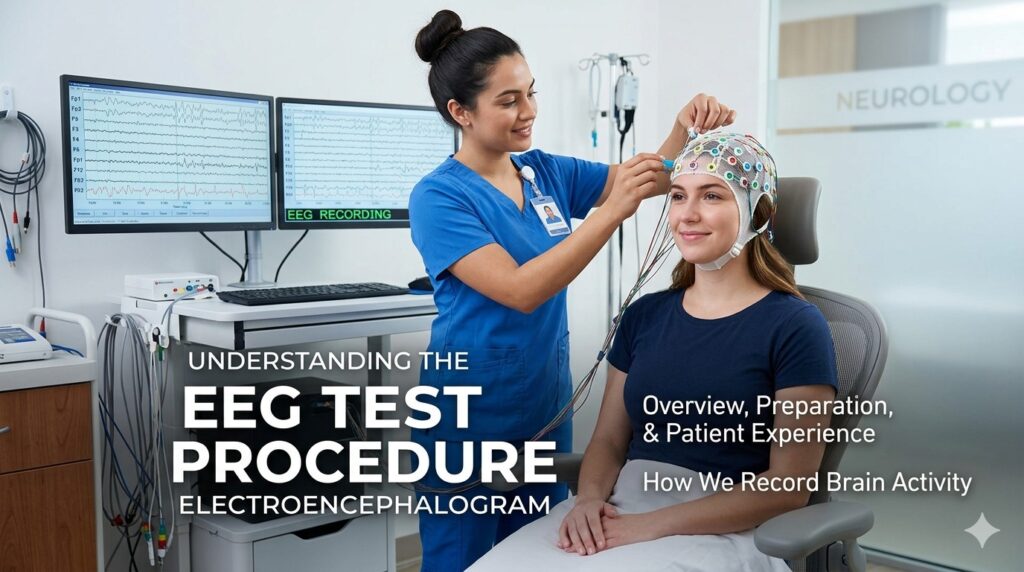
EEG stands for electroencephalogram. It is a common brain wave test that records the brain’s electrical activity through small sensors placed on the scalp. It is non-invasive, painless, and often very helpful when seizures or suspected epilepsy need proper assessment.
Specialist-led seizure and epilepsy evaluation in Thane and Mumbai.
What Is an EEG?
An EEG is a neurological diagnostic test that records the brain’s electrical signals.
Your brain cells communicate through tiny electrical impulses. During an EEG, small electrodes are placed on the scalp to record this activity. The test does not send electricity into the brain. It only records what is already happening.
That is why EEG is often called a brain wave test.
EEG is especially useful when a neurologist needs more information about:
Specialist-led seizure and epilepsy evaluation in Thane and Mumbai.
- seizures
- suspected epilepsy
- blackouts
- episodes of lost awareness
- unusual staring spells
- unexplained spells
Why an EEG Test in Thane May Be Recommended
- a first seizure
- repeated seizures
- sudden blackouts
- short episodes of blank staring
- brief loss of awareness
- unexplained jerking movements
- unusual spells during sleep
- suspected epilepsy
- follow-up needs
- Closing Text
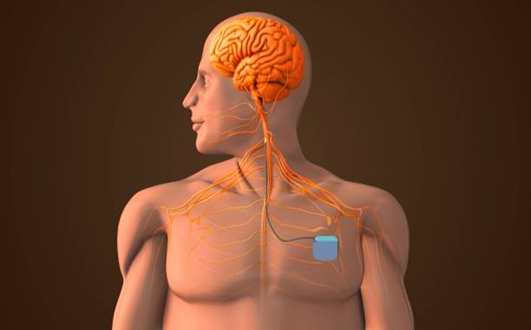
What EEG Can Help Diagnose
EEG can help support the evaluation of:
- epilepsy
- seizure disorders
- loss of awareness episodes
- abnormal sleep events
- follow-up in known epilepsy
- Note Box
- EEG is only one part of diagnosis.
Just as important, EEG can help answer the question: Does this event behave like a seizure, or does it suggest something else?
What EEG Can Help Diagnose
You arrive and the test is explained
You will be guided through the procedure and given a chance to ask questions.
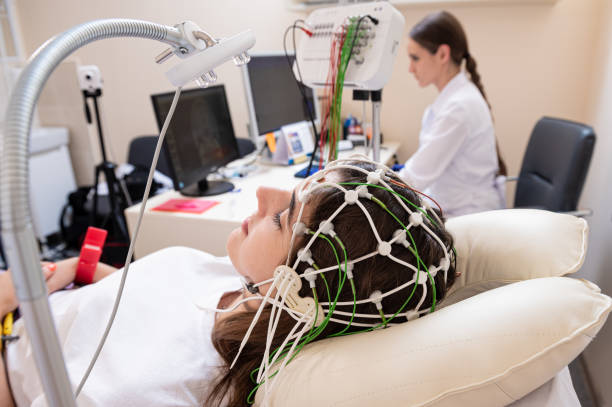
Small electrodes are placed on the scalp
These are attached with paste or adhesive. They do not pierce the skin.
You sit or lie comfortably
The recording is taken while you are resting quietly.
You may be asked to do a few simple tasks
This may include opening and closing your eyes, breathing deeply for a short period, or looking at a flashing light.
The brain wave recording is monitored
The machine records electrical activity from the brain. The test itself is silent and does not cause pain.
The electrodes are removed
At the end, the paste is cleaned off as much as possible. Your hair may feel a little sticky until you wash it.
Is EEG Painful or Risky?
No. EEG is not painful.
Most patients feel only mild inconvenience from the paste or from having the sensors placed and removed.
How to Prepare for an EEG
Preparation is usually simple.
- Wash your hair the night before or the same day.
- Keep the scalp clean and dry.
- Do not use oil, gel, spray, wax, or heavy hair products.
- Eat normally unless you are given different instructions.
- Take your regular medicines unless your neurologist specifically tells you not to.
- Avoid excess caffeine if advised.
- Bring previous reports, scan results, or videos of the episodes if available.
A normal EEG does not always rule out epilepsy.
Understanding the Results
This is the part patients often worry about most.
- normal brain wave activity
- slowing in certain areas
- abnormal discharges that support a seizure tendency
- patterns that help classify seizure type or epilepsy type
A normal EEG does not always rule out epilepsy. Symptoms can still be real even when the routine recording looks normal, because EEG only records brain activity during the time of the test
- your symptom history
- witness description of the event
- neurological examination
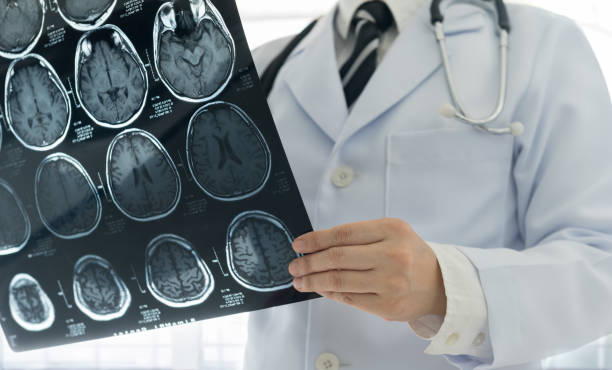
- MRI or other tests when needed
- response over time
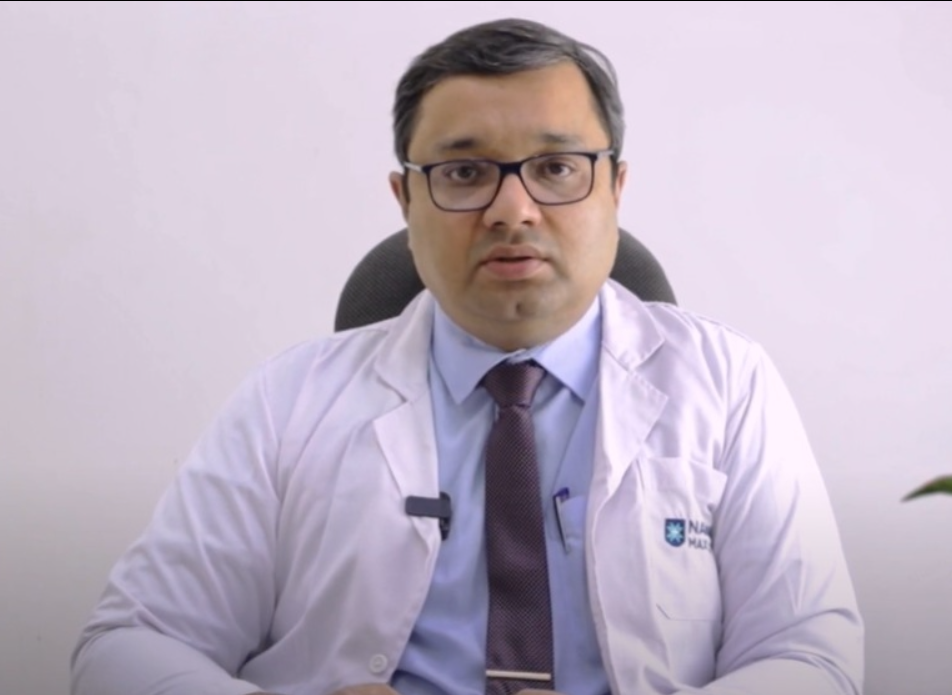
Dr. Siddharth Kharkar’s Approach to EEG and Diagnosis
This matters because two patients may have similar symptoms but very different diagnoses.
A brain wave pattern only becomes clinically meaningful when it is interpreted in the context of the patient’s story.
- Is this likely to be a seizure?
- Is epilepsy the right diagnosis?
- What type of seizure may this be?
- Is more testing needed, such as Video EEG or further neurological workup?
- What treatment plan makes sense based on the full picture?
When to Seek Further Evaluation
- a first seizure
- repeated blackouts
- sudden unexplained falls
- brief loss of awareness
- episodes of staring or unresponsiveness
- unexplained shaking spells
- unusual events during sleep
- persistent symptoms even after a normal EEG
If the episodes continue, change, or become more concerning, a neurology consultation is important.
Not every blackout is epilepsy.
Not every normal EEG means “nothing is wrong.”
If you or your family is unsure what these episodes mean, a specialist consultation can help you understand whether an EEG is needed and what kind of evaluation is most appropriate.
Frequently Asked Questions
EEG stands for electroencephalogram.
Is an EEG test painful?
Why is EEG done for seizures?
EEG helps detect abnormal electrical patterns in the brain that may support the diagnosis of seizures or epilepsy.
Can EEG diagnose epilepsy?
EEG can provide very useful evidence, but epilepsy is not diagnosed from EEG alone. Your neurologist also considers symptoms, history, examination, and other tests if needed.
Can the EEG be normal even if I had a real event?
How long does an EEG take?
Do I need to stop my medicines before EEG?
Can I eat before the test?
What is the difference between EEG and brain MRI?
When should I see a neurologist about EEG?
A clear diagnosis brings relief, direction, and better treatment decisions.
If you are looking for an EEG test in Thane as part of a proper seizure or epilepsy evaluation, schedule a consultation with Dr. Siddharth Kharkar to understand the cause of the symptoms and the most appropriate next step.