
MRI-Guided Focused Ultrasound in Thane for Disabling Tremor
If tremor is making writing, eating, dressing, using a phone, or other daily tasks difficult, MRI-guided focused ultrasound in Thane may be considered as an advanced treatment option for selected patients.
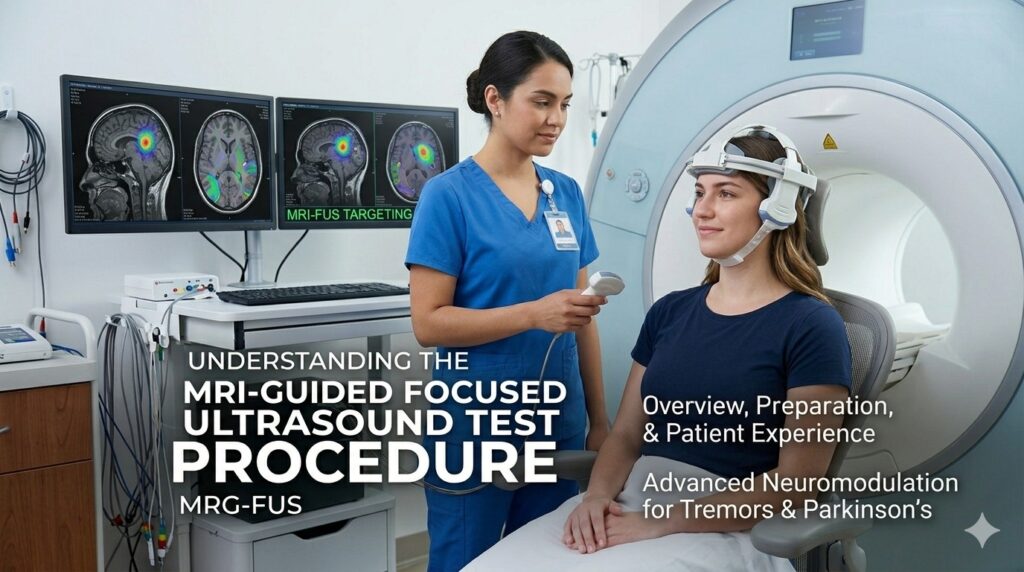
This is an incision-free treatment that uses focused ultrasound energy, guided by MRI, to target a very precise area in the brain linked to tremor. It is usually considered only after careful diagnosis, review of medicines, and specialist assessment of whether the treatment is likely to help safely.
The goal is not simply to offer technology. The goal is to decide whether focused ultrasound is appropriate for your specific symptoms, whether another treatment such as DBS may be better, and how to improve day-to-day function through individualized neurological care.
Careful movement disorder evaluation for patients in Thane, Mumbai, and nearby areas.
What Is MRI-Guided Focused Ultrasound?
MRI-guided focused ultrasound is an advanced treatment that uses many ultrasound beams, guided by MRI, to target a very small area deep in the brain that is involved in tremor.
The ultrasound energy passes through the skull and meets at one carefully selected point. MRI helps the treating team plan the target, monitor temperature in real time, and check the treatment response step by step.
In tremor treatment, the aim is usually to create a very small lesion in a brain circuit that is causing the tremor. There is no scalp incision, no implanted device, and usually no general anaesthesia.
That said, it is still a serious brain procedure. It should be considered thoughtfully, with proper diagnosis, clear counselling, and careful specialist selection.

When MRI-Guided Focused Ultrasound in Thane May Be Considered
Focused ultrasound is not the first treatment for every patient with tremor. It is usually considered when the tremor is significant enough to affect quality of life and simpler treatment steps have not provided enough relief.
- Dr. Siddharth Kharkar may discuss this option when a patient has:
- disabling hand tremor affecting daily work or self-care
- essential tremor that remains troublesome despite medicines
- tremor-dominant Parkinsonian symptoms not adequately controlled with medication
- side effects from medicines that limit further dose escalation a wish to explore an option that does not involve implanted hardware
- a need for a second opinion regarding advanced tremor treatment
It is important to remember that not every shaking symptom should lead directly to focused ultrasound. The diagnosis must be right first.
Conditions It May Help
- It may be considered for:
- medically significant essential tremor
- selected patients with tremor-dominant Parkinson’s disease
carefully chosen tremor cases where a specialist team believes the likely benefit outweighs the risk
What it may help most is tremor itself. It does not serve as a cure for Parkinson’s disease, and it does not reliably address every movement or non-motor symptom.
The right question is not “Is this advanced?” The right question is “Is this the right advanced treatment for this patient’s symptom pattern?

Who May Be a Suitable Candidate
- A patient may be considered suitable when they have:
- a confirmed tremor diagnosis after specialist assessment symptoms that interfere with writing, eating, drinking, dressing, or other everyday tasks insufficient benefit from medication, or medication side effects that are difficult to tolerate the ability to undergo MRI and remain cooperative during an awake procedure
- no obvious medical or imaging-related factor that makes treatment unsafe
- realistic expectations about what the treatment can and cannot do A patient may not be suitable, or may need further review first, if there are concerns such as:
- an uncertain diagnosis
- symptoms that are not primarily driven by tremor MRI incompatibility or certain implanted devices
- skull or scalp factors that limit safe or effective ultrasound delivery
- important balance, speech, memory, or psychiatric concerns that could affect outcomes
- medical issues or blood thinner use that require special planning
How Patients Are Evaluated
Careful specialist evaluation is one of the most important parts of this treatment pathway.
Before focused ultrasound is recommended, the evaluation may include:
- 1. Confirmation of the diagnosis The tremor pattern must be understood properly. Essential tremor, Parkinsonian tremor, medication-related tremor, functional symptoms, and other movement disorders are not the same.
- 2. Review of symptom severity and day-to-day disability The question is how much the tremor is affecting real life, not just how visible it looks in clinic.
- 3. Medication history The team reviews which medicines have been tried, what benefit they provided, and whether side effects have limited further treatment.
- 4. Neurological examination A specialist examination helps identify whether the patient’s difficulty is mainly tremor or whether balance, speech, cognition, stiffness, or other features should influence the decision.
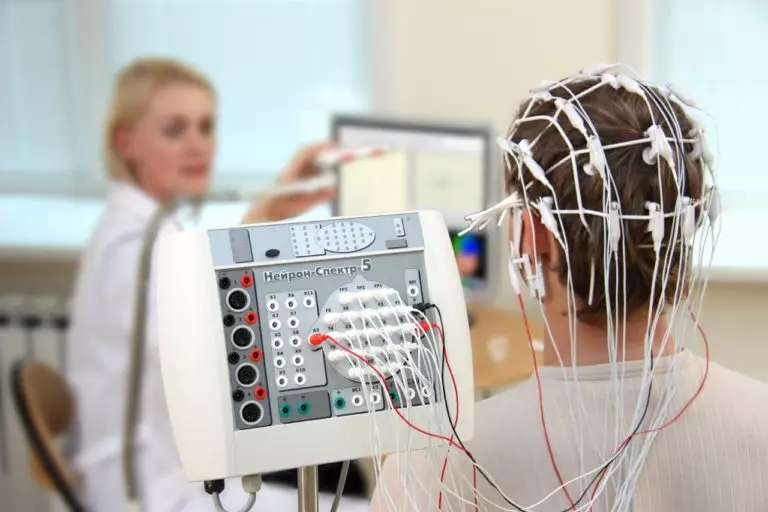
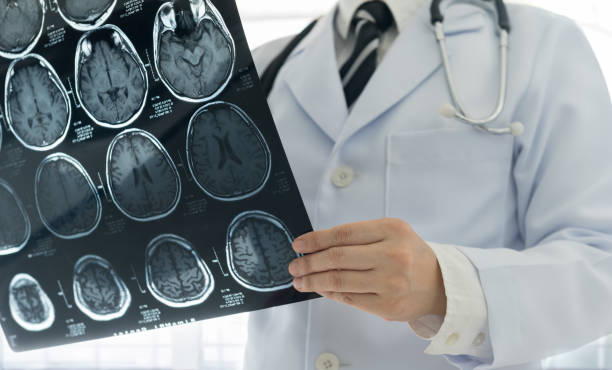
- 5. Brain and skull imaging MRI is used for planning and safety review. CT of the skull may also be needed because skull characteristics can affect whether ultrasound energy can reach the target effectively.
- 6. Medical fitness and blood thinner review General health, implants, claustrophobia, and medication safety all matter.
- 7. Discussion of alternatives Focused ultrasound should be compared honestly with medication optimization, DBS, or other appropriate options.
- 8. Informed decision-making The final decision should follow a clear conversation about expected benefit, limitations, possible side effects, and whether the patient’s goals match what the treatment can realistically offer.

What Happens During the Procedure
MRI-guided focused ultrasound is usually performed while the patient is awake so the treating team can monitor symptoms and response in real time.
- Here is what patients can generally expect:
- 1. Pre-procedure preparation You may be given instructions about medicines, eating, and arrival timing before the procedure day.
- 2. Head preparation The scalp is usually shaved because hair can interfere with ultrasound delivery.
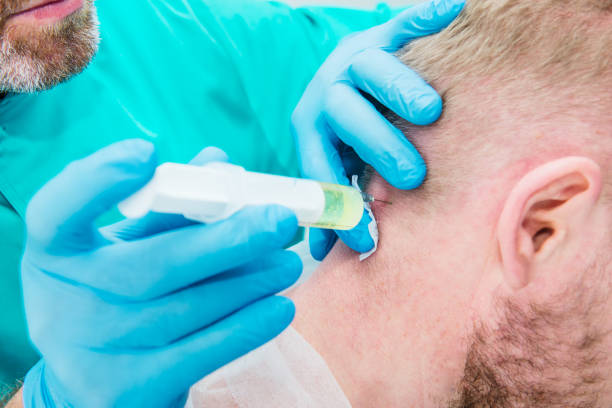
- 3. Frame placement and positioning A head frame is placed under local anaesthetic to keep the head still and allow precise targeting.
- 4. MRI setup The head is placed in a special treatment helmet, and cool water is circulated to help protect the scalp and support the procedure.
- 5. Target testing Low-energy sonications are first used to confirm the target before treatment energy is increased.
- 6. Active treatment Ultrasound energy is delivered in carefully monitored stages while MRI tracks temperature and the team checks symptom response.
- 7. Real-time assessment During the procedure, you may be asked to speak, move, draw, or perform simple hand tasks so tremor change can be assessed immediately.
- 8. Observation after treatment After the procedure, the team checks walking, speech, and general recovery. Many patients can go home the same day or after short observation, depending on the treating centre and individual recovery.
Benefits and Limitations
- Potential benefits may include:
- no scalp incision and no implanted device
- usually no general anaesthesia MRI-based targeting with real-time monitoring
- symptom improvement that may be noticed during or soon after treatment
- shorter recovery compared with more invasive brain procedures Important limitations include:
- it is not suitable for every patient with tremor it is often used to treat one side at a time rather than both sides together the effect is permanent and not adjustable once the lesion is created
- improvement can vary from patient to patient
- tremor reduction may be partial rather than complete
- tremor can recur or remain troublesome over time in some patients other Parkinson’s symptoms may still need separate treatment even if tremor improves

Risks and Important Considerations
Because this treatment creates a permanent change in a very small part of the brain, the decision should always be taken seriously.
Possible short-term or early symptoms can include headache, dizziness, nausea, scalp discomfort, or temporary fatigue after the procedure.
More important side effects that can occur, sometimes temporarily and sometimes persistently, may include:
- numbness or tingling
- imbalance or gait difficulty
- speech change or slurring
- coordination difficulty
- taste disturbance
No page should hide this: focused ultrasound may be incision-free, but it is not risk-free.
At the same time, because there is no open incision and no implanted hardware, certain risks linked to invasive surgery, such as device-related infection or hardware maintenance, are reduced.
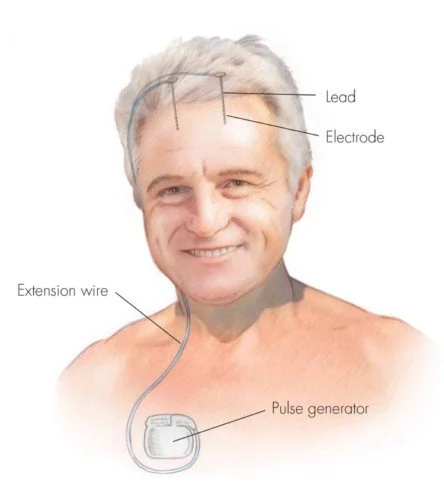
Focused Ultrasound vs DBS
The choice depends on diagnosis, symptoms, side effect tolerance, need for adjustability, ability to undergo surgery, and long-term treatment goals.
Use the comparison table below as supportive design content on the page.
| Point of comparison | MRI-guided focused ultrasound | Deep brain stimulation (DBS) |
|---|---|---|
| How it works | Creates a small targeted lesion using ultrasound energy guided by MRI | Uses implanted electrodes connected to a battery to modulate brain circuits |
| Incision / implant | No scalp incision and no implanted hardware | Requires surgery, implanted leads, and a battery device |
| Adjustability | Permanent effect and not adjustable after treatment | Adjustable over time through programming; side effects can often be managed by changing settings |
| Typical side treatment | Often used for one side at a time in tremor care | Can treat both sides in selected patients |
| Recovery / follow-up | Usually shorter recovery and less device follow-up | Requires post-operative programming visits and ongoing device management |
| When it may be preferred | Selected patients who want an incision-free option and whose main disabling symptom is tremor | Patients who need a more adjustable approach, bilateral benefit, or broader long-term symptom control |
| Important caution | Not every patient is anatomically or medically suitable, effect is permanent | More invasive: carries surgical and hardware-related risks |
Dr. Siddharth Kharkar’s Approach to Advanced Treatment Decisions
Advanced treatment should never begin with the technology. It should begin with the patient.
Dr. Siddharth Kharkar’s approach is to listen carefully, define the diagnosis accurately, understand how symptoms affect daily function, and then recommend the most appropriate next step with clear explanation.
For some patients, that next step may be medicine adjustment. For some, it may be deeper evaluation. For some, MRI-guided focused ultrasound may be worth serious consideration. For others, DBS or another option may make more sense.
This matters because the right advanced treatment depends on more than the tremor alone. It depends on the full neurological picture, the patient’s goals, the likely balance of benefit and risk, and whether the expected outcome matches the person’s real needs.
That is why specialist neurological judgment remains essential.
Not every patient with tremor needs focused ultrasound.
But if tremor has become disabling and medicines are no longer enough, a careful specialist consultation can help you understand whether this treatment should be considered, whether DBS may be more appropriate, or whether another evaluation step comes first.
Is it a surgery?
Which conditions may it help?
Is it a cure for Parkinson’s disease?
No. It may help tremor in selected patients, but it does not cure Parkinson’s disease or treat every Parkinsonian symptom.
Who may not be suitable?
A patient may not be suitable if the diagnosis is uncertain, MRI cannot be performed safely, skull anatomy is not favourable, or medical, balance, speech, memory, or psychiatric factors make the risk-benefit balance poor.
Is the procedure painful?
Most patients do not describe the treatment itself as a painful surgery, but there can be discomfort from the head frame, lying still, scalp cooling, or procedure-related symptoms such as headache or nausea.
How long does the procedure take?
The procedure commonly takes several hours including preparation, targeting, treatment, and observation.
Are results immediate?
Some patients notice tremor improvement during or soon after treatment, but the degree of improvement varies and some symptoms can change over follow-up.
Can I still have DBS later?
In some cases, yes. Focused ultrasound does not automatically prevent future DBS, but the overall treatment plan should be discussed with the specialist team.
Can both sides be treated together?
This is usually not the standard starting approach because treating both sides can increase the risk of speech and balance problems.
When tremor begins to interfere with independence, the next step should be a clear diagnosis and a responsible treatment discussion.
If you are exploring MRI-guided focused ultrasound in Thane or want a second opinion on advanced tremor treatment, schedule a consultation with Dr. Siddharth Kharkar to understand the most appropriate option for your symptoms.