
Multiple Sclerosis Treatment in Thane
If you are dealing with unexplained numbness, weakness, balance problems, vision changes, or episodes of neurological symptoms that come and go, it is important to understand the true cause clearly. Multiple sclerosis can be difficult to recognize in the early stages, which is why careful evaluation matters.
Dr. Siddharth Kharkar is an internationally trained neurologist offering specialist neurological care in Thane and Mumbai. His approach is simple and thoughtful: listen carefully, diagnose accurately, explain clearly, and recommend the right treatment for the individual patient.
Clear diagnosis. Precise treatment. Compassionate care.
Specialist MS Care with a Careful, Patient-First Approach
Multiple sclerosis is not always straightforward. Symptoms can vary from one person to another, and many other neurological conditions can look similar in the beginning.
That is why the first step is not to rush into labels or treatment. The first step is to understand exactly what is happening through a careful neurological assessment, the right investigations where needed, and a treatment plan based on diagnosis rather than guesswork.
Patients who come to Dr. Kharkar often want more than a prescription. They want clarity, honest guidance, and a neurologist who can explain complex problems in simple language.

Why Patients Choose Dr. Siddharth Kharkar
Accurate diagnosis comes first
Neurological symptoms can overlap. Numbness, weakness, dizziness, walking difficulty, visual symptoms, and fatigue do not always mean multiple sclerosis. Dr. Kharkar focuses first on identifying the true cause of the problem. A careful history, neurological examination, MRI, blood tests, and other investigations are used thoughtfully when needed so that treatment decisions are based on clarity.
Treatment is personalized, not one-size-fits-all
Every patient’s condition, symptoms, severity, age, daily needs, and treatment goals are different. Some patients need long-term disease control. Others need symptom relief, further testing, or a second opinion before moving ahead. The goal is not the most aggressive treatment. The goal is the right treatment.
Complex care is explained clearly
Neurological care can feel overwhelming, especially when symptoms are unfamiliar or diagnosis is uncertain. Dr. Kharkar believes patients and families should understand what the condition means, what the tests are for, and how treatment decisions are made. Clear communication reduces fear. It also helps patients make better decisions with confidence.
Global expertise with human care
Dr. Siddharth Kharkar brings advanced neurological training from India, the United States, and the United Kingdom. His work reflects international standards of diagnosis and evidence-based neurological care, delivered with calm, compassionate attention to the person in front of him.
Symptoms That May Need Multiple Sclerosis Evaluation
Multiple sclerosis can affect different parts of the central nervous system. That is why symptoms do not always look the same from one patient to another.
You may need a neurological consultation if you have:
numbness or tingling in the face, arms, or legs
weakness in one or more limbs
blurred vision or double vision
imbalance or difficulty walking
unusual fatigue that does not seem proportional
dizziness along with other neurological symptoms
stiffness, spasms, or coordination problems
bladder symptoms along with nerve-related complaints
episodes of symptoms that improve and then return
These symptoms do not always mean MS. They can also happen with other brain, spine, or nerve conditions. A comprehensive neurological evaluation is the safest way to understand what is causing them.
Understanding Multiple Sclerosis in Simple Terms
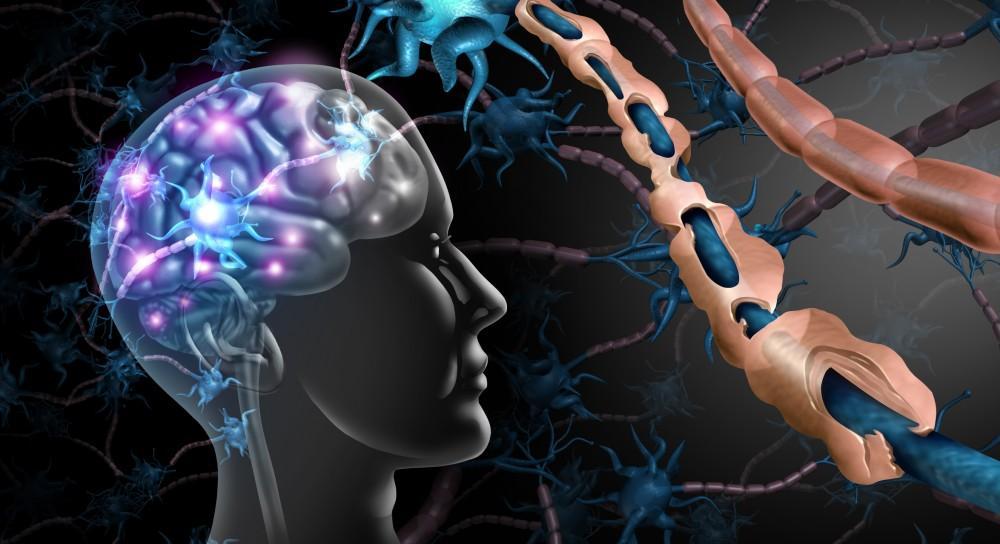
Multiple sclerosis is a condition that affects the brain and spinal cord. It can interfere with how signals travel through the nervous system, which is why symptoms may involve movement, sensation, balance, vision, or fatigue..
For some people, symptoms come in episodes. For others, problems may build more gradually. The important point is that early diagnosis can make a meaningful difference to how treatment is planned and how future symptoms are managed..
A clear diagnosis also helps separate MS from other conditions that can resemble it. That is one of the most important parts of specialist care.

Comprehensive Neurological Evaluation for MS Symptoms
Detailed clinical history
Symptoms often tell an important story when reviewed properly. When did they begin. Did they come suddenly or gradually. Did they improve and return. Have there been visual symptoms, sensory changes, weakness, gait problems, or bladder issues. These details help guide the next steps.
Neurological examination
A focused neurological assessment can reveal important signs related to sensation, strength, reflexes, coordination, gait, balance, vision, and higher brain function.
MRI and other investigations when needed
MRI can be important when MS or another central nervous system disorder is suspected. Depending on the case, blood tests or other investigations may be advised to rule out alternative causes and support accurate neurological diagnosis. Not every patient needs the same tests. Investigations should serve the diagnosis, not the other way around.
Second-opinion review
Some patients come with a previous diagnosis, an abnormal MRI, or lingering doubts about their treatment plan. In such cases, a specialist review can help clarify whether the diagnosis is correct and whether the current treatment direction still makes sense.
Personalized Multiple Sclerosis Treatment in Thane
Medical treatment when appropriate
Many patients benefit from medicines aimed at reducing disease activity, controlling relapses, or managing day-to-day symptoms. The decision depends on diagnosis, symptom pattern, severity, overall health, and treatment goals.
Symptom-focused care
MS can affect quality of life in different ways. Some patients need help with pain, stiffness, fatigue, walking difficulty, balance problems, or sensory symptoms. Effective neurological care often means treating both the disease process and the symptoms that interfere with daily life.
Monitoring and follow-up
Neurological care does not end after one consultation. Conditions like MS often require review over time so treatment can be adjusted carefully based on progress, side effects, symptom changes, and new findings.
Supportive care where needed
Some patients may benefit from rehabilitation, supportive neurological management, or coordination with other services depending on their symptoms and functional needs. The aim is always to support stability, independence, and quality of life improvement wherever possible.
Reassurance for Patients and Families
Do I need to panic if I have these symptoms?
Not necessarily. Symptoms such as numbness, vision problems, dizziness, or weakness can have several possible causes. What matters is not panic, but proper evaluation.
Will I need surgery?
Most patients with suspected or confirmed MS are treated medically, not surgically. The important step is understanding the diagnosis correctly and deciding on treatment based on the individual case.
Can this be treated with medicines?
Many patients can be managed with medicines, symptom control, and regular follow-up. The right plan depends on what type of symptoms you have, how active the condition is, and whether the diagnosis is confirmed.
Should I seek a second opinion?
A second opinion can be valuable if symptoms are worsening, MRI findings are unclear, treatment has not been explained properly, or you are uncertain about the diagnosis.
What if symptoms are getting worse?
Worsening neurological symptoms should not be ignored. A timely neurological consultation can help determine whether the symptoms are part of MS, a relapse, another neurological issue, or a different medical problem that needs attention.
Conditions Commonly Seen Alongside Similar Neurological Symptoms
Not every patient who searches for multiple sclerosis treatment in Thane will ultimately have MS. Some patients may actually need evaluation for other disorders affecting the brain, spine, nerves, or muscles.
Dr. Kharkar also provides specialist care for epilepsy, seizures, Parkinson’s disease, tremors, migraine, vertigo, dizziness, stroke-related symptoms, memory problems, gait and movement problems, and other chronic neurological disorders.
This broader experience matters because careful diagnosis often depends on distinguishing one neurological condition from another.
About Dr. Siddharth Kharkar
Dr. Siddharth Kharkar is a trusted, internationally trained neurologist known for combining deep clinical expertise with calm, patient-friendly communication.
..
For some people, symptoms come in episodes. For others, problems may build more gradually. The important point is that early diagnosis can make a meaningful difference to how treatment is planned and how future symptoms are managed..
Patients in Mumbai and Thane seek his care because his approach is thoughtful and clear. He listens carefully, investigates properly, explains what he sees in simple terms, and recommends treatment with precision and restraint.

When to Book a Neurological Consultation
You should consider booking an appointment if:
you have unexplained neurological symptoms that are new or recurring
you have been told you may have MS and want clarity
you have an abnormal MRI and need specialist interpretation
you want a second opinion before starting or changing treatment
your symptoms are affecting walking, vision, sensation, or daily function
you want a consultant neurologist who explains things clearly
Getting the right neurological diagnosis early can make decision-making far less stressful.

Book a Specialist Neurology Evaluation
Dr. Siddharth Kharkar practices in Thane and offers specialist neurological care with a strong focus on accurate diagnosis and individualized treatment.
If you are looking for a neurologist in Thane for persistent numbness, tingling, burning feet, nerve pain, or weakness, specialist evaluation can help you move from uncertainty to a proper plan.
Frequently Asked Questions
When should I see a neurologist for possible multiple sclerosis?
You should see a neurologist if you have unexplained numbness, weakness, vision problems, walking difficulty, recurring neurological symptoms, or MRI findings that need specialist review.
Do all patients with suspected MS need an MRI?
MRI is often an important part of evaluation, but the exact tests depend on your symptoms and clinical findings. The investigation plan should be individualized.
Can multiple sclerosis be treated without surgery?
Yes. MS is usually managed with medical treatment, symptom control, monitoring, and supportive care. Surgery is not the standard treatment for most patients.
Can I get a second opinion for multiple sclerosis?
Yes. If the diagnosis is uncertain, symptoms are changing, or treatment has not been explained clearly, a second opinion from a neurological specialist can be helpful.
Clear answers for patients and families
Does treatment always mean long-term medication?
Not every patient follows the same course. Treatment depends on confirmed diagnosis, disease activity, symptoms, and the goals of care.
What other conditions can look like MS?
Some brain, spinal cord, metabolic, inflammatory, vascular, or nerve-related conditions can produce overlapping symptoms. That is why accurate neurological diagnosis is so important.
Get the right diagnosis for persistent nerve symptoms
Neurological symptoms can be unsettling, especially when the diagnosis is unclear. A careful consultation can help replace uncertainty with a clearer plan.
You should seek specialist help if numbness is persistent, getting worse, painful, affecting walking or balance, or associated with weakness.