
Neurological Diagnostic Tests in Thane

Clear diagnosis. Precise treatment. Compassionate care.
If you are dealing with seizures, tremor, weakness, numbness, dizziness, blackouts, memory changes, or other unexplained neurological symptoms, the right test can help clarify the cause. What matters just as much is choosing the right test at the right time, and understanding what the result actually means.
At his clinic in Thane, Dr. Siddharth Kharkar takes a careful, specialist-led approach to neurological diagnostic tests in Thane. His focus is simple: listen carefully, examine properly, avoid guesswork, and use investigations only when they are truly helpful.
Internationally trained neurologist. Specialist care for epilepsy and Parkinson’s disease. Advanced treatment only when truly needed.
When neurological symptoms need careful evaluation
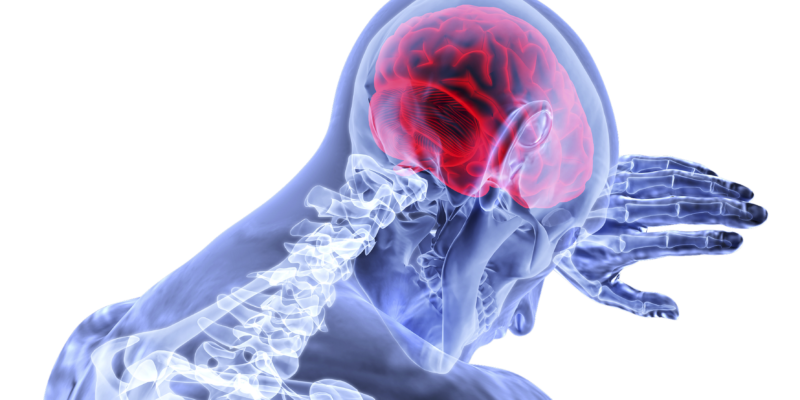
Many neurological symptoms can look similar in the beginning. A person with tremor may not have Parkinson’s disease. A blackout does not always mean epilepsy. Weakness, dizziness, headache, numbness, imbalance, or memory problems can each have several possible causes.
That is why testing should never feel random. The first step is understanding the pattern of symptoms, the timeline, what the examination shows, and which investigation can genuinely help make the diagnosis clearer.
Which neurological diagnostic tests may be advised
EEG
An EEG records the brain’s electrical activity. It is often useful when there have been seizures, blackouts, staring spells, sudden loss of awareness, or suspected epilepsy.
EMG and NCV
EMG and nerve conduction testing help assess muscles and nerves. These tests may be useful in cases of weakness, numbness, tingling, burning pain, cramps, twitching, neuropathy, or suspected nerve compression.

VEP and BERA
VEP and BERA can help evaluate how signals travel through important visual and auditory pathways. These may be considered when symptoms suggest a problem affecting those pathways.
MRI brain or spine
MRI may be advised when a detailed look at the brain, spine, or surrounding structures is needed. It can help in the evaluation of stroke, seizures, chronic headaches, weakness, balance issues, and many other neurological concerns.
CT scan
CT may be useful in selected situations, especially when quick structural assessment is needed.
Blood tests and related investigations
Sometimes the most important clue does not come from a scan. Blood tests and related investigations may help identify metabolic, inflammatory, nutritional, infectious, or systemic causes behind neurological symptoms.
Common symptoms that may need neurological testing
seizures or unexplained episodes
blackouts or sudden loss of awareness
tremor or slowed movement
persistent headaches with neurological symptoms
weakness in the arms or legs
numbness, tingling, or burning pain
muscle twitching or cramps
vertigo, imbalance, or repeated falls
memory concerns or confusion
visual symptoms linked to neurological disease
The right next step depends on your history and examination. In many cases, patients do not need more tests. They need the right test.

What patients and families usually want to know before a test
Will it be painful?
Many neurological tests are either painless or only briefly uncomfortable. EEG is non-invasive. EMG and nerve conduction testing may cause temporary discomfort, but most patients tolerate them well.
Is it safe?
Most commonly used neurological investigations are considered safe when done appropriately. Before certain tests, you may be asked about medicines, implants, bleeding risks, or previous reports so the process can be planned properly.
How long does it take?
The answer depends on the test. Some tests are brief outpatient procedures. Others may take longer if a more detailed assessment is needed.
Do I need special preparation?
Sometimes preparation is minimal. Sometimes you may be told to avoid skin creams, bring old reports, or follow specific instructions for the test being planned. Clear guidance should always be given in advance.
What happens after the test?
The result is not the endpoint. It needs to be interpreted in the context of your symptoms and examination. That is where specialist neurological judgment becomes important.

Accurate interpretation matters as much as the test itself
A report alone does not always answer the real clinical question.
An abnormal test still needs context. A normal test does not always mean the symptoms are unimportant. In neurology, results have to be matched carefully with history, examination findings, scans, and the course of symptoms over time.
This is one of the most important reasons patients seek specialist care. The goal is not just to complete a diagnostic test. The goal is to understand what the result means and what should happen next.
Specialist care for epilepsy, Parkinson’s disease, and complex neurological symptoms
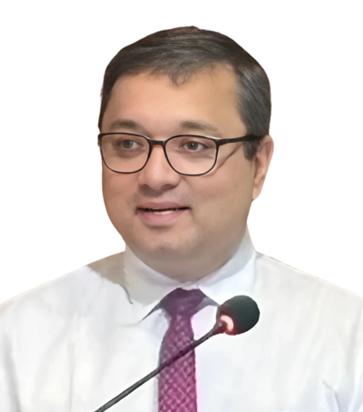
Dr. Siddharth Kharkar is an internationally trained neurologist with advanced expertise in epilepsy, Parkinson’s disease, and complex neurological care. His training includes Seth G.S. Medical College and KEM Hospital, followed by further work at Johns Hopkins, Washington Hospital Center, Drexel University, UCSF, and King’s College London.
Patients in Thane and Mumbai seek his care because his approach combines scientific precision with calm, patient-friendly communication. He believes people should understand what is being investigated, why it matters, and how treatment decisions are made.
Conditions commonly evaluated through neurological diagnostic tests
epilepsy and seizure-related disorders
Parkinson’s disease and movement disorders
migraine and certain headache conditions
neuropathy and nerve compression
stroke-related symptoms
dizziness, vertigo, and imbalance
memory and cognitive concerns
muscle and nerve disorders
tremor, stiffness, and gait changes
unexplained neurological symptoms that need clarification
Testing is always guided by the clinical picture. The aim is to move from uncertainty to a clear and sensible plan.
About Dr. Siddharth Kharkar
Accurate diagnosis first
He believes the first job is to identify the real cause of the problem. Symptoms are carefully assessed before treatment decisions are made.
Precise, personalized treatment
Every patient is different. Treatment depends on the diagnosis, the severity of symptoms, the likely cause, and the goals of care.
Clear communication
Complex neurological problems can be frightening. Dr. Kharkar explains them in simple language so patients and families understand what is happening and what comes next.
Global expertise with human care
His international training brings depth and perspective, but the patient experience remains personal, calm, and grounded.
Frequently Asked Questions
Do all patients with neurological symptoms need tests?
No. Some patients need careful clinical assessment more than they need a test. Investigations are useful when they help clarify the diagnosis or guide treatment.
Can I come for a second opinion before doing a test?
Yes. If you are unsure whether a test is necessary, or if previous results have not given you clear answers, a specialist second opinion can help.
If one test is normal, does that mean nothing is wrong?
Not necessarily. Symptoms can still be real even if a particular test does not show a major abnormality. Results must be interpreted in the full clinical context.
Should I bring previous reports?
Yes. Old MRI scans, EEG reports, blood tests, prescriptions, discharge summaries, and previous opinions can all be useful.
Are advanced procedures recommended for every patient?
No. Advanced treatment is considered only when it is truly appropriate. Many patients improve with medicines, monitoring, and careful follow-up.
If you need answers, the next step can be clear
Neurological symptoms often create fear because they are hard to interpret without specialist help. The right evaluation can bring clarity, reduce uncertainty, and help you move toward the right treatment with more confidence.
If you are looking for neurological diagnostic tests in Thane, and you want them guided by specialist judgment rather than guesswork, book a consultation with Dr. Siddharth Kharkar.