Neurologist near Suraj Water Park Waghbil

If you are looking for a neurologist near Waghbil, you may be dealing with symptoms that are affecting routine life but remain difficult to explain. A seizure, a tremor, repeated headaches, numbness, vertigo, or sudden weakness can create real uncertainty for both patients and families.

Dr. Siddharth Kharkar provides specialist neurological care near Waghbil with a focus on careful diagnosis, practical treatment decisions, and clear communication. The aim is to help patients understand the problem properly and move forward with confidence.

Specialist Neurological Care for Patients near Waghbil

Patients living near Suraj Water Park, the Hiranandani Estate extension zone, and Waghbil often want access to specialist care without the confusion that comes with generic medical advice. Neurological symptoms are often easy to dismiss at first, but early assessment can make a meaningful difference.

Dr. Kharkar is known for specialist care in epilepsy, Parkinson’s disease, and complex neurological conditions. His clinical style is calm, precise, and patient-friendly, with emphasis on root-cause diagnosis and treatment that is genuinely individualized.

Why Patients Choose Dr. Siddharth Kharkar

Vagus Nerve Stimulation device

Thoughtful clinical evaluation

Neurology depends on careful thinking. Many symptoms look similar in the beginning, which is why treatment should not start with guesswork. A detailed clinical history, neurological examination, and focused investigations help build the right diagnosis. This is especially important when symptoms are intermittent, unexplained, or changing over time.

DBS in parkinson disease illustration

Personalized treatment decisions

A medication that suits one patient may not be right for another. Treatment must be based on diagnosis, severity, daily function, and broader health context. The goal is to recommend what is medically appropriate and sustainable, whether that means medicines, monitoring, further testing, or selected advanced treatment planning.

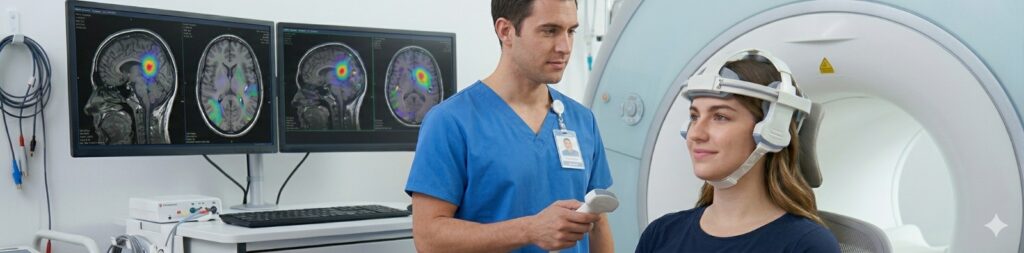
Consultation

Easy-to-understand explanations

Neurological care should not feel confusing. Patients deserve to know what symptoms may mean, what needs to be ruled out, and why a particular plan is being recommended.

Brain scan

Specialist care with measured judgment

Advanced expertise matters most when it improves decision-making. Dr. Kharkar’s approach is to use specialist knowledge without rushing toward unnecessary intervention.

Conditions Treated

Consultation

Episodes of loss of awareness, convulsions, staring spells, jerking, or unexplained falls need specialist evaluation. The first task is to understand whether the events are likely to be epileptic and what further assessment is required.

Patients with tremor, slowness, stiffness, gait difficulty, or balance change may need review for Parkinson’s disease or another movement disorder. These conditions often require careful distinction before treatment is started.

a person having migraine
DBS treatment

Headaches that are repeated, disruptive, or unusual in pattern should not be ignored. Evaluation helps identify whether they fit migraine or another neurological condition.

Stroke symptoms need urgent attention, but follow-up neurological care is also important for recovery, persistent deficits, and future risk understanding.

Vagus Nerve Stimulation device
A person having headache

Vertigo can feel disabling, especially when it affects walking or work. Assessment helps determine whether symptoms point to a neurological cause, a vestibular issue, or another explanation.

When forgetfulness, slowed thinking, or confusion begins to interfere with daily life, specialist review can help clarify what is contributing to the change.

Brain scan
Patient having migraine treatment

Nerve and muscle symptoms

Pain, tingling, sensory loss, burning, or weakness may arise from nerve or muscle disorders and often need structured neurological assessment.

Neurological Diagnosis and Advanced Treatment Planning

When routine consultation is not enough, specialized neurological tools and carefully selected advanced treatment options may become relevant.

Resective Epilepsy Surgery

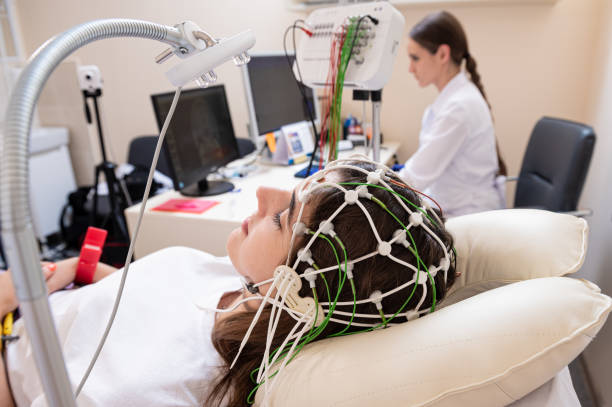
EEG

EEG may be used to assess seizures, suspected epilepsy, blackout episodes, or altered awareness. It helps provide additional information when interpreted in the right clinical setting.

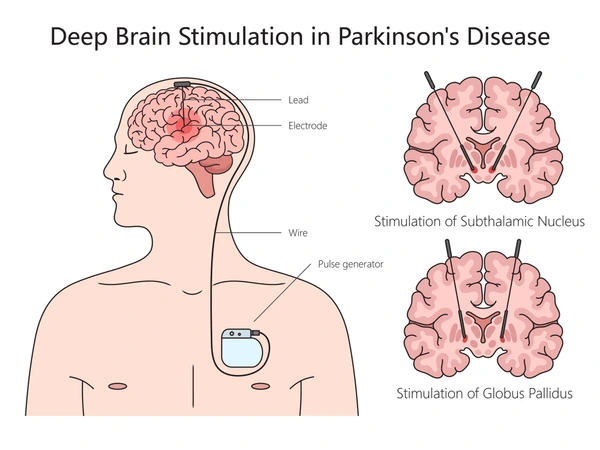
Deep Brain Stimulation For Parkinsons Illustration

DBS

DBS may be useful in selected Parkinson’s disease and movement disorder patients whose symptoms are not being controlled well enough with medication alone.

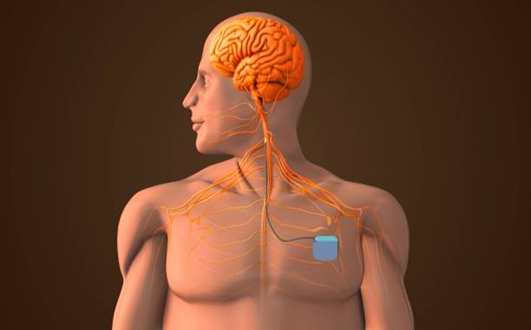
Vagus Nerve Stimulation Illustration

VNS

VNS can be considered for selected epilepsy patients with difficult-to-control seizures after detailed review of diagnosis and treatment history.

MRI guided fractioned ultrasound - MRGFUS for parkinson's

MRG-FUS

MRG-FUS may be discussed for selected patients with tremor where focused non-invasive treatment planning is appropriate.

How Dr. Kharkar Approaches Diagnosis

Diagnosis begins with listening carefully. When symptoms started, how often they occur, what makes them worse, whether they are progressing, and what other symptoms are present all matter.

Based on this, further evaluation may include MRI, EEG, blood tests, or other neurological investigations. The purpose is accuracy, not overtesting.

Patient having migraine treatment

Treatment Philosophy

The best neurological treatment plan is one that fits the person, not just the textbook description of the condition. Many patients do well with medicines, structured follow-up, and careful review over time.

More advanced treatment is considered only when it adds real value. This approach helps reduce unnecessary intervention while still giving patients access to specialist options when needed.

Common Concerns

Are these symptoms always a sign of serious disease?

No. Some neurological symptoms have manageable causes, but persistent or unexplained symptoms should still be evaluated properly.

Not always. It depends on the diagnosis, severity, and how symptoms evolve over time.

Yes. Many patients improve with correct diagnosis and appropriate medication.

Yes. Symptoms that are progressing or affecting daily life deserve specialist attention.

About Dr. Siddharth Kharkar

Dr. Siddharth Kharkar is a consultant neurologist with advanced training from leading institutions in India, the United States, and the United Kingdom. His work includes specialist expertise in epilepsy, Parkinson’s disease, and the evaluation of complex neurological symptoms.

He is known for combining detailed clinical thinking with clear patient communication and a treatment style that is evidence-based, calm, and individualized.

If you are seeking a neurologist near Waghbil, specialist consultation can help bring structure and clarity to symptoms that are difficult to interpret on your own. A careful neurological assessment is often the first step toward reassurance, accurate diagnosis, and better symptom control.

Google Reviews

Frequently Asked Questions

When should I see a neurologist near Waghbil?

You should see a neurologist for seizures, tremor, repeated headaches, dizziness, numbness, weakness, memory concerns, balance problems, or unexplained neurological symptoms.

Yes. Some dizziness and vertigo symptoms may have neurological causes and need specialist review.

No. EEG is recommended only when the symptom pattern suggests it may be useful.

Persistent tremor, slowing, stiffness, or gait changes should be assessed by a neurologist.

Clear answers can make a difficult neurological problem feel more manageable

For patients near Waghbil who want specialist neurological care with careful diagnosis and clear explanation, Dr. Siddharth Kharkar offers a measured and reassuring approach.

Scroll to Top