
Neurology Doctor in Thane for Epilepsy, Parkinson’s Disease and Complex Neurological Symptoms
If you are looking for a Neurology Doctor in Thane, you may already be dealing with uncertainty. A seizure, tremor, repeated headache, dizziness, numbness, weakness, memory change, or balance problem can be worrying for both patients and families.
My approach is simple. Listen carefully, examine thoroughly, identify the real cause, and recommend treatment that is precise, practical, and appropriate for your condition. I am Dr. Siddharth Kharkar, an internationally trained consultant neurologist with specialist expertise in epilepsy and Parkinson’s disease, with practice access in Thane and Mumbai.
Specialist care for epilepsy, Parkinson’s disease, migraine, stroke, vertigo, memory problems, tremor and other neurological concerns.
Internationally Trained Specialist Neurology Care in Thane
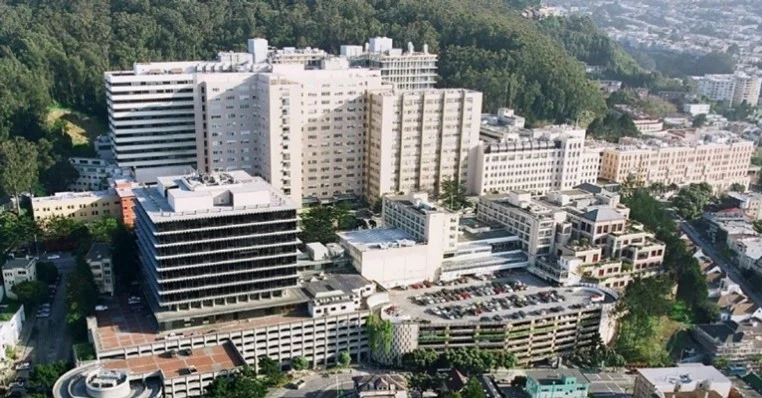
I trained at Seth G.S. Medical College and KEM Hospital in Mumbai, followed by advanced training at Johns Hopkins University, Washington Hospital Center, Drexel University College of Medicine, UCSF, and King’s College London. I am also certified by the American Board of Psychiatry and Neurology and registered with the Maharashtra Medical Council.
My specialist focus includes epilepsy treatment in Thane, Parkinson’s disease treatment, and the evaluation of complex neurological symptoms. I also see patients with migraine, stroke-related problems, vertigo, tremors, memory concerns, nerve disorders, and other conditions affecting the brain, spine, and nerves.
Why Patients Choose Dr. Siddharth Kharkar
Accurate diagnosis first
Many neurological symptoms can look similar at the beginning. That is why the first step is a comprehensive neurological evaluation based on careful history, neurological assessment, and the right investigations where needed.
Personalized treatment
No two patients are exactly alike. Treatment is based on diagnosis, symptom pattern, severity, overall health, and individual goals.

Clear communication
Patients and families should understand what is happening, what tests mean, and why a treatment plan is being recommended.
Global expertise with human care
International training matters only if it improves patient care. The goal is to bring global standards of neurology care to patients in Thane and Mumbai in a calm, practical, patient-friendly way.
Conditions Treated by a Neurology Specialist in Thane
If you have had seizures, blackouts, unexplained staring episodes, sudden jerking, or episodes of loss of awareness, it is important to determine the exact cause. Not every episode is epilepsy, and not every patient needs the same treatment.
I provide specialist assessment for epilepsy and seizure disorders, including EEG and Video EEG-based evaluation where appropriate. Many patients improve with accurate diagnosis and carefully chosen medicines, while selected patients may benefit from advanced epilepsy treatment planning.
Tremor, slowness, stiffness, gait and movement problems, or changes in balance may point to Parkinson’s disease or another movement disorder. These symptoms need careful evaluation because essential tremor, Parkinsonism, and related disorders can resemble one another.
I offer specialist care for Parkinson’s disease treatment, tremor, and other movement disorders with a focus on accurate neurological diagnosis, medication adjustment, function, and quality of life. Advanced options may be discussed only in the right clinical situation.

Repeated headaches should not be ignored, especially if they are increasing, affecting work, or changing in pattern. Some headaches are primary headache disorders such as migraine, while others need further neurological assessment.
As an experienced headache specialist in Thane for neurological causes of repeated headaches, I focus on identifying triggers, excluding concerning causes when needed, and creating a treatment plan that fits your symptom pattern.
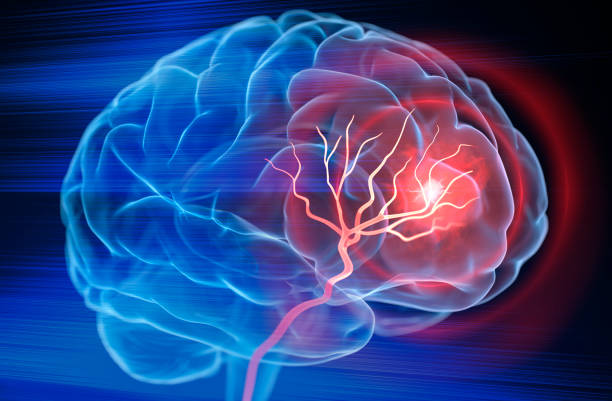
Sudden weakness, numbness, speech changes, vision problems, facial drooping, or imbalance need urgent medical attention. After the emergency phase, many patients also need specialist neurological follow-up.
I evaluate stroke-related symptoms, recovery concerns, and ongoing neurological problems with a focus on function, risk understanding, and long-term neurological care.

Vertigo and dizziness can arise from different causes, including inner ear conditions, migraine-related causes, and neurological disorders. The right diagnosis depends on the pattern of symptoms and examination findings.
If you are looking for a vertigo specialist in Thane for neurological evaluation, I assess dizziness, balance disorders treatment needs, gait changes, and related symptoms with a structured approach.
Forgetfulness, confusion, slowing, or changes noticed by family members may require neurological assessment, especially if symptoms are progressive or affecting independence.
I evaluate memory concerns carefully to determine whether they relate to stress, sleep, ageing, medication effects, neurodegenerative disease, or another neurological condition.

Nerve, muscle and other neurological symptoms
A neurology specialist in Thane may also be needed for tingling, nerve pain, muscle weakness, walking difficulty, vision-related neurological symptoms, and other disorders affecting brain nerves and muscles.
These symptoms often need a focused neurological examination and targeted testing to identify the real cause before treatment begins.
How I Approach Neurological Diagnosis
A good treatment plan begins with a correct diagnosis. In neurology, this often depends as much on the history and examination as on the scan or report.
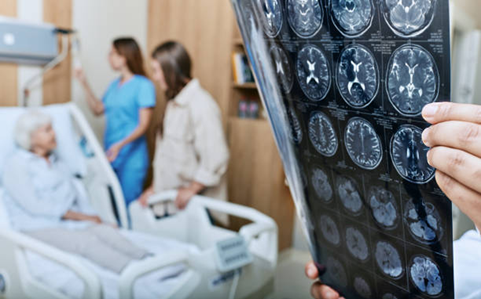
During consultation, Dr. Kharkar looks at when symptoms started, how they changed, what triggers them, whether they are progressing, and what other signs are present. He then decides whether investigations such as MRI, EEG, blood tests, or other studies are needed to clarify the diagnosis.
This diagnosis-first approach is especially important in epilepsy, Parkinson’s disease, tremor, vertigo, memory disorders, repeated headaches, stroke follow-up, and unexplained neurological symptoms.
Neurological Diagnosis and Advanced Treatment Planning
Some neurological conditions need more than a routine consultation. In selected cases, the right diagnosis
or treatment plan may involve specialized testing or advanced therapy options. The key is knowing when
they are useful, when they are not, and how they fit into the bigger clinical picture.

EEG
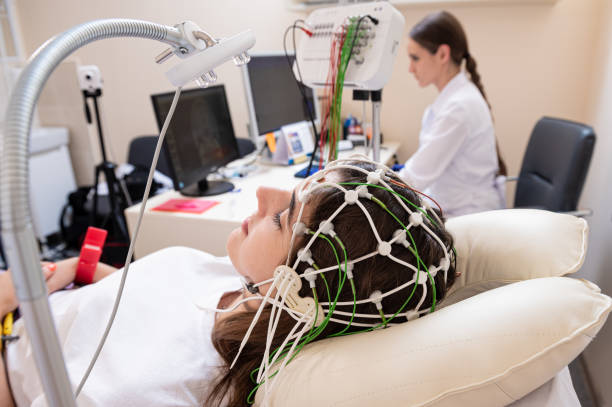
EEG can help assess seizure disorders and related neurological events by studying the brain’s electrical activity. It is often useful when evaluating epilepsy, blackouts, unexplained episodes, or events that may resemble seizures.

DBS
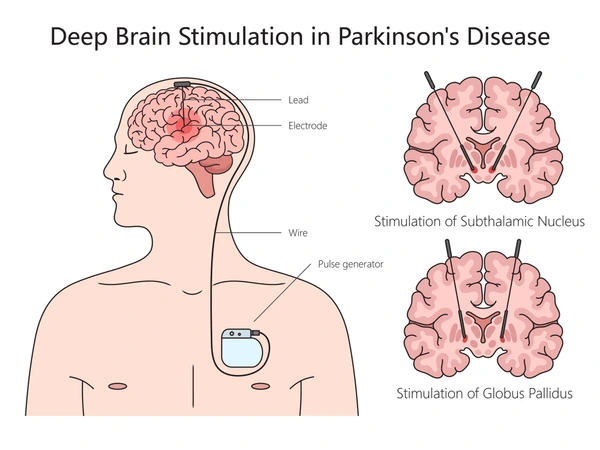
Deep Brain Stimulation may be considered in selected patients with Parkinson’s disease or certain movement disorders when symptoms are no longer adequately controlled with medication alone.

VNS
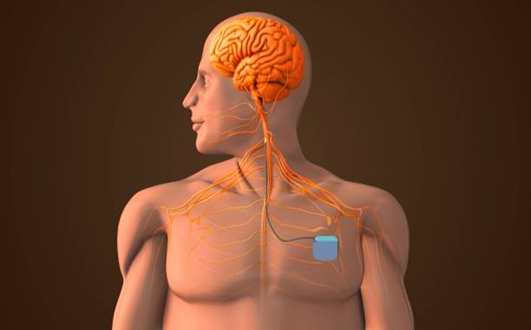
Vagus Nerve Stimulation is an option for some patients with difficult-to-control epilepsy when seizures continue despite appropriate medication trials.

MRG-FUS
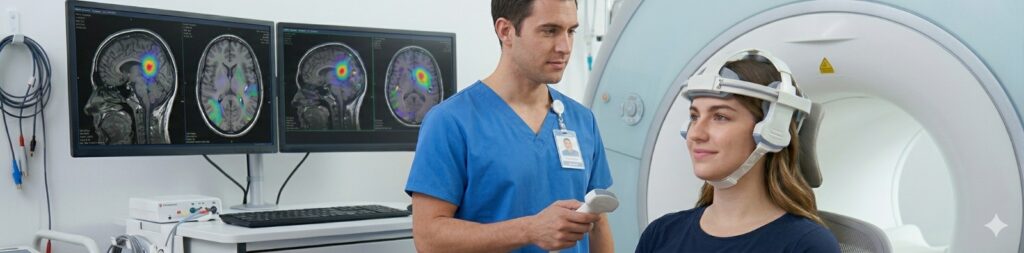
MR-guided Focused Ultrasound is a non-invasive treatment option that may help selected patients with tremor or movement-related symptoms.
Treatment Philosophy: Precise, Personalized and Evidence-Based
Patient Reassurance: Common Concerns I Often Hear
Do I need to worry about these symptoms?
Will I need surgery?
Can epilepsy be treated without surgery?
Should I get a second opinion?
What if my symptoms are getting worse?
If your symptoms are worsening, it is important not to delay specialist review. The goal is to understand whether the condition is progressing, whether the diagnosis needs refinement, or whether treatment should change.
Dr. Siddharth Kharkar is a consultant neurologist with specialist expertise in epilepsy, Parkinson’s disease, and complex neurological care. He completed MBBS at Seth G.S. Medical College and KEM Hospital, followed by advanced training at Johns Hopkins University, Washington Hospital Center, Drexel University College of Medicine, UCSF, and King’s College London.
He is certified by the American Board of Psychiatry and Neurology and registered with the Maharashtra Medical Council.
He has served as Consultant Neurologist at Lilavati Hospital and Nanavati Hospital, founded NeuroPlus Epilepsy & Parkinson’s Clinic, and has held academic roles including former faculty experience at the University of Alabama at Birmingham. His practice serves patients in Mumbai and Thane.
If you are dealing with seizures, tremors, repeated headaches, dizziness, weakness, numbness, memory concerns, stroke-related symptoms, or another neurological problem, specialist evaluation can help bring clarity. You do not need to have all the answers before booking. The first step is careful assessment, clear explanation, and a treatment plan that fits your condition.
Google Reviews
Posted onTrustindex verifies that the original source of the review is Google. Best treatment and best resultPosted onTrustindex verifies that the original source of the review is Google. Dr. Siddharth Kharkar is one of the best Neurologists in Nanavati max hospital He is one of the Epilepsy Specialists and one of the best Parkinson's specialists ...Posted onTrustindex verifies that the original source of the review is Google. Dr kharkar is really a good, supportive & helpful person.... I am under his treatment since Nov.2023 for parkinsons. I am 75% ok now. Only one thing if the clinic was nearby Vile Parle it was extremely good.Posted onTrustindex verifies that the original source of the review is Google. Dr. Kharkar is incredibly knowledgeable. He is also kind and gentle. Highly recommend.Posted onTrustindex verifies that the original source of the review is Google. Dr Sidharth kharkar does very careful & thorough examination.He asks only rt.& necessary tests for illness. He explains d treatment in simple words to d patient. He shows Ray of Hope for Path of LifePosted onTrustindex verifies that the original source of the review is Google. "Dr.siddharth kharkar is a gem of a person. The way he listens to us, talks to us itself will surely give a great confidence. He explains each and everything very patiently and spends enough time for everyone".I would suggest people to please visit him only in case of any neurological issue because he is very smart in diagnosis part ❤️
Frequently Asked Questions
When should I see a Neurology Doctor in Thane?
What symptoms need neurological evaluation?
Yes, many patients with epilepsy improve with correct diagnosis and the right medications. Surgery or device-based treatment is considered only for selected resistant cases after detailed evaluation.