
When someone suddenly collapses, shakes, feels intense fear, or becomes unresponsive, it can be frightening.
The first thought is often, “Was it a seizure?”
But not every episode that looks like a seizure is epilepsy. Sometimes it may be syncope, which means fainting. Sometimes it may be a panic attack. And sometimes these conditions can look so similar that even family members are not sure what happened.
That is why understanding seizure vs syncope vs panic attack matters. The right diagnosis can change the treatment, the safety advice, and the next steps.
Medically Guided by Dr. Siddharth Kharkar
Table of Contents
ToggleTrusted neurological guidance that turns complex symptoms into clear next steps. Focused on helping patients and families recognize seizure, syncope, and panic-like episodes early so they can seek the right care without delay.
Quick Answer: What Is the Main Difference?
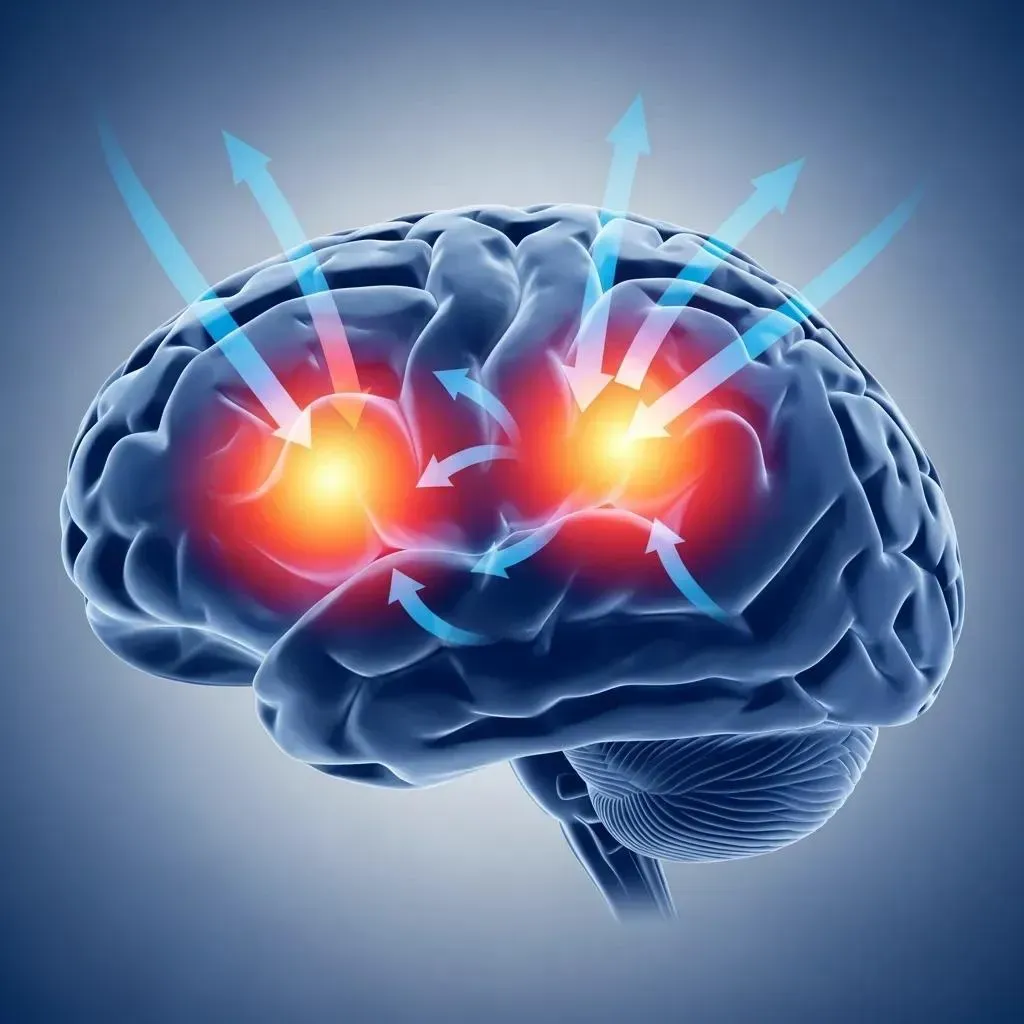
A seizure usually happens because of sudden abnormal electrical activity in the brain. It may cause shaking, staring, confusion, loss of awareness, unusual sensations, or memory gaps.
Syncope means fainting. It usually happens when blood flow to the brain drops for a short time. The person often becomes limp, falls, and recovers quickly.
A panic attack is a sudden episode of intense fear with physical symptoms like racing heart, sweating, trembling, shortness of breath, chest discomfort, or fear of losing control. Awareness is often preserved, but the person may feel overwhelmed.
The challenge is that all three can cause dizziness, shaking, fear, weakness, or collapse. So the goal is not to guess. The goal is to notice the pattern and get the right medical evaluation.
At a Glance: Seizure vs Syncope vs Panic Attack
Feature | Seizure | Syncope | Panic Attack |
Main cause | Abnormal electrical activity in the brain | Temporary drop in blood flow to the brain | Sudden fear response with physical symptoms |
Awareness | May be lost or altered | Usually lost briefly | Usually present |
Body movement | Jerking, stiffening, staring, lip smacking, repeated movements | Limp fall; brief jerks may happen in convulsive syncope | Trembling or shaking, usually not rhythmic seizure-like jerks |
Warning signs | Aura, strange smell, déjà vu, rising stomach feeling, sudden fear | Dizziness, nausea, sweating, blurred vision, warmth | Fear, racing heart, shortness of breath, chest tightness |
Recovery | Confusion, sleepiness, headache, memory gap | Usually quick recovery | Gradual calming, often tired afterward |
Medical evaluation | Neurologist, EEG, MRI if needed | Blood pressure, ECG/EKG, heart evaluation, tilt-table test if needed | Medical check first, then mental health support if confirmed |
What Is a Seizure?
A seizure happens when there is a sudden burst of abnormal electrical activity in the brain. It can affect movement, awareness, speech, memory, emotions, or behavior.
Some seizures are dramatic, with full-body stiffening and jerking. Others are subtle. A person may simply stare, stop responding, make repeated mouth movements, feel sudden fear, or have a strange sensation that others cannot see.
Epilepsy is usually considered when a person has repeated unprovoked seizures. But a single seizure does not always mean epilepsy. Fever, low blood sugar, alcohol withdrawal, infection, head injury, stroke, sleep deprivation, or other medical problems may also trigger a seizure.
Common seizure signs
A seizure may include:
- Sudden loss of awareness
- Staring and not responding
- Jerking or stiffening of the body
- Repeated movements such as lip smacking or hand movements
- Sudden fall
- Tongue biting
- Loss of bladder control
- Strange smell, taste, sound, or feeling before the episode
- Confusion after the event
- No memory of what happened
What happens after a seizure?
After a seizure, many people feel confused, sleepy, weak, or mentally slow. This is often called the post-ictal phase.
This recovery period is one of the most useful clues. If the person is confused for several minutes or longer after the event, a seizure becomes more likely than a simple faint or panic attack.
If this was a first seizure in adults, it should be medically evaluated even if the person feels normal later.
What Is Syncope?
Syncope means fainting. It happens when the brain does not get enough blood flow for a short time.
The person may feel dizzy, weak, sweaty, nauseous, hot, or have blurred vision before fainting. Then they may become limp and fall. In many cases, consciousness returns quickly once the person is lying flat.
Syncope can happen because of dehydration, standing for too long, pain, emotional shock, heat, low blood pressure, or heart rhythm problems.
Some causes are harmless. Some are serious. That is why fainting should not be ignored, especially if it happens suddenly, during exercise, while lying down, or with chest pain or palpitations.
Common fainting signs
Syncope may include:
- Lightheadedness
- Dizziness
- Sweating
- Nausea
- Blurred vision
- Feeling warm
- Weakness
- Pale appearance
- Brief loss of consciousness
- Quick recovery after lying down
What is convulsive syncope?
Convulsive syncope is fainting with brief jerking movements.
This is one of the biggest reasons families confuse fainting with seizures. During a faint, reduced blood flow to the brain can sometimes cause brief twitching or jerking.
But convulsive syncope is not the same as epilepsy. The jerks are usually brief, the person often recovers faster, and there may be fainting warning signs before the collapse.
Still, it can be difficult to tell the difference without a proper medical history and tests.
What Is a Panic Attack?
A panic attack is a sudden wave of intense fear or discomfort. It can feel very physical.
A person may feel like they are having a heart attack, losing control, choking, or about to die. The symptoms can be terrifying, but a panic attack itself is not the same as a seizure.
That said, panic attacks should still be taken seriously. They can affect daily life, sleep, confidence, and emotional health. Also, some seizures can cause sudden fear, so repeated “panic-like” episodes should not be dismissed without evaluation.
Common panic attack symptoms
A panic attack may include:
- Racing heartbeat
- Sweating
- Trembling or shaking
- Shortness of breath
- Chest tightness
- Dizziness
- Nausea
- Numbness or tingling
- Chills or hot flashes
- Fear of dying
- Fear of losing control
- Feeling detached from reality
Why panic attacks can be mistaken for seizures
Panic attacks and seizures can overlap because both may involve fear, shaking, dizziness, and altered behavior.
The difference is often in the pattern.
During a panic attack, the person is usually aware of what is happening and can often respond, even if they are frightened. In many seizures, awareness may be impaired, memory may be missing, and confusion may follow.
But there are exceptions. Some focal seizures can feel like sudden panic. That is why repeated or unusual panic-like episodes should be discussed with a neurologist.
Seizure vs Syncope vs Panic Attack: Key Differences
The safest way to understand the difference is to look at what happened before, during, and after the episode.
Before the episode
Before a seizure, a person may have:
- Sudden déjà vu
- Strange smell or taste
- Rising feeling in the stomach
- Sudden fear without clear reason
- Visual symptoms
- No warning at all
Before syncope, a person may have:
- Dizziness
- Blurred vision
- Nausea
- Sweating
- Feeling hot
- Weakness
- Symptoms after standing, dehydration, pain, or stress
Before a panic attack, a person may have:
- Anxiety
- Stress
- Fearful thoughts
- Racing heart
- Chest tightness
- Shortness of breath
- Fear of losing control
During the episode
During a seizure, the person may:
- Stop responding
- Stare blankly
- Fall suddenly
- Become stiff
- Have rhythmic jerking
- Make repeated mouth or hand movements
- Bite the tongue
- Lose bladder control
During syncope, the person may:
- Become pale
- Go limp
- Fall
- Lose consciousness briefly
- Have brief jerks in some cases
- Recover once lying down
During a panic attack, the person may:
- Feel intense fear
- Breathe fast
- Shake or tremble
- Hold the chest or throat
- Feel dizzy
- Remain aware but scared
- Ask for help or reassurance
After the episode
After a seizure, the person may:
- Feel confused
- Feel sleepy
- Have a headache
- Have body soreness
- Not remember the event
- Take time to return to normal
After syncope, the person may:
- Wake quickly
- Feel weak or tired for a short time
- Remember feeling faint before the event
- Feel better after lying down
After a panic attack, the person may:
- Feel drained
- Feel embarrassed or scared
- Worry about another attack
- Usually remember the episode clearly
Duration and recovery
Most fainting episodes are brief and recovery is usually quick.
Many seizures last seconds to a few minutes, but confusion afterward can last longer.
Panic attacks often build and peak over minutes, and the fear may take longer to settle.
Duration alone cannot confirm the diagnosis, but it is an important clue.
When Should You Seek Emergency Help?
Seek emergency help for a seizure if:
- This is the first seizure-like episode
- The episode lasts more than 5 minutes
- Another seizure happens soon after
- The person does not wake up properly
- Breathing is difficult
- The person is injured
- The episode happened in water
- The person is pregnant
- The person has diabetes and lost consciousness
- Fainting happened during exercise
- Fainting happened while lying down
- There is chest pain or strong palpitations
- There is weakness, facial drooping, speech trouble, or stroke-like symptoms
Do not wait if the person is not recovering normally.
How Doctors Diagnose the Cause
A doctor will not rely on one symptom alone. The same event can look different to different people.
A proper evaluation often includes:
- Detailed history
- Witness description
- Video of the episode if available
- Neurological examination
- Blood pressure and heart rate check
- Blood tests
- EEG to check brain electrical activity
- ECG/EKG to check heart rhythm
- MRI or CT scan when needed
- Tilt-table test when fainting is suspected
Why witness details matter
Many people do not remember the episode clearly, especially if awareness was lost.
That is why a family member, friend, or bystander can help by sharing:
- What happened first
- Whether the person became stiff or limp
- Whether there were jerking movements
- How long the episode lasted
- Whether the person was breathing normally
- How long confusion lasted
- Whether there was tongue biting or injury
- Whether the person recovered quickly or slowly
A short video can also be very helpful, as long as the person is safe and emergency care is not delayed.
Tests that may be recommended
An EEG may help detect abnormal brain wave patterns linked with seizures.
An ECG/EKG may help detect heart rhythm problems that can cause fainting.
MRI or CT may be advised if the doctor suspects a structural brain cause, especially after a first seizure, injury, or new neurological symptoms.
Blood tests may check for sugar levels, infection, electrolyte imbalance, or other medical triggers.
The goal is not just to name the event. The goal is to find the cause.
What Should You Do During an Episode?
If it looks like a seizure
Stay calm and protect the person from injury.
You should:
- Gently guide them away from danger
- Place something soft under the head
- Turn them on their side when possible
- Loosen tight clothing around the neck
- Time the seizure
- Stay until they are fully awake
Do not:
- Put anything in the mouth
- Hold the person down
- Give water, food, or tablets until fully alert
- Try to forcefully stop the movements
If it looks like fainting
Help the person lie down safely.
You can:
- Lay them flat
- Raise the legs if possible
- Loosen tight clothing
- Keep the area cool and calm
- Check breathing
- Wait for recovery
Seek urgent care if they do not wake quickly, are injured, have chest pain, have breathing trouble, or faint during exercise.
If it looks like a panic attack
Stay calm and speak gently.
You can say:
“You are safe. I am here with you. Let us slow down your breathing.”
Encourage slow breathing and grounding. Do not argue with the fear. For the person experiencing it, the symptoms feel real and intense.
If chest pain, fainting, new neurological symptoms, or first-time severe symptoms occur, medical evaluation is important.
What to Tell Your Doctor After the Episode
Before the appointment, write down:
- Date and time of the episode
- What the person was doing before it happened
- Any trigger, stress, missed sleep, dehydration, alcohol, or illness
- Warning signs before the episode
- What the body did during the event
- Whether awareness was lost
- Whether there was tongue biting or injury
- Whether bladder control was lost
- How long the event lasted
- How long recovery took
- Any confusion afterward
- Current medicines
- Past history of fainting, seizures, panic attacks, stroke, head injury, or heart disease
These details help your doctor decide whether the event was more likely seizure, syncope, panic attack, or another condition.
Frequently Asked Questions
Can fainting look like a seizure?
Yes. Fainting can sometimes cause brief jerking movements. This is called convulsive syncope. It can look like a seizure, but the cause is usually reduced blood flow to the brain, not abnormal electrical activity.
Can a panic attack look like a seizure?
Yes. Panic attacks can cause shaking, fear, dizziness, chest tightness, and shortness of breath. Some focal seizures can also cause sudden fear. If these episodes are repeated, unusual, or followed by confusion, a neurological evaluation is important.
What is the biggest clue that it was a seizure?
Confusion after the event, memory loss, rhythmic jerking, tongue biting, loss of awareness, and repeated unusual movements may suggest a seizure. But no single sign is perfect.
What is the biggest clue that it was syncope?
Feeling faint before the episode, becoming pale or sweaty, going limp, brief loss of consciousness, and quick recovery after lying down may suggest syncope.
What is the biggest clue that it was a panic attack?
A panic attack often includes intense fear, racing heart, shortness of breath, trembling, and fear of dying or losing control, while awareness is usually preserved.
Should I see a neurologist after one seizure-like episode?
Yes, especially if it was the first episode, involved loss of awareness, caused injury, included jerking movements, or was followed by confusion.
Can stress cause seizures?
Stress can be a trigger for some people who already have epilepsy. Stress can also trigger panic attacks and fainting in some situations. That is why the full pattern matters.
Do all seizures involve shaking?
No. Some seizures cause staring, confusion, speech difficulty, strange sensations, sudden fear, or repeated small movements without full-body shaking.
Can an EEG be normal even if someone has seizures?
Yes. An EEG can be normal between seizures. Your doctor may recommend repeat EEG, sleep EEG, ambulatory EEG, or video EEG depending on the case.
Is treatment different for seizure, syncope, and panic attack?
Yes. Seizures may need epilepsy evaluation and anti-seizure treatment. Syncope may need hydration advice, blood pressure care, heart evaluation, or trigger management. Panic attacks may need medical assessment, therapy, lifestyle support, and sometimes medication. Patients who need ongoing epilepsy care should be evaluated with the right history and tests.
Final Advice from a Neurologist
Seizure, syncope, and panic attack can look similar in the moment.
But the cause is not the same.
A seizure starts in the brain’s electrical activity. Syncope usually comes from a short drop in blood flow to the brain. A panic attack comes from an intense fear response that affects the whole body.
If the episode was new, repeated, unclear, or frightening, do not depend on guesswork. Write down what happened, ask a witness for details, and seek medical evaluation.
The right diagnosis can prevent delay, reduce fear, and help you move forward with a clear plan.