
A first seizure in adults can be frightening, sudden, and deeply unsettling. In many cases, the most important next step is not to panic, but to make sure the person is safe, understand whether emergency care is needed, and arrange a proper neurological evaluation soon afterward.
One seizure does not automatically mean epilepsy. But it does deserve careful attention, because a seizure can sometimes be linked to sleep deprivation, a medication issue, alcohol withdrawal, low blood sugar, infection, stroke, head injury, or another neurological cause that needs treatment.
If you or a loved one has had a first seizure, the goal is not just to “wait and see.” The goal is to understand why it happened, whether it could happen again, and what to do next safely and confidently.
Medically guided by Dr. Siddharth Kharkar
Trusted neurological guidance that turns complex symptoms into clear next steps. Focused on helping patients and families recognize first seizure warning signs early, understand what evaluation may be needed, and seek the right care without unnecessary delay.
Quick Answer: What Should You Do After a First Seizure?
If an adult has a first seizure, first make sure they are safe. Move nearby dangerous objects away, turn them gently onto their side if possible, and do not put anything in their mouth. If the seizure lasts more than five minutes, repeats without recovery, causes injury, happens in water, occurs during pregnancy, or is followed by prolonged confusion or breathing difficulty, seek emergency care immediately.
Even if the person seems fully better afterward, a first seizure still needs medical follow-up. A neurologist may recommend an EEG, brain imaging such as an MRI, and selected blood tests to understand whether the seizure was provoked, whether recurrence risk is higher, and whether treatment is needed.
At a Glance: Next Steps After a First Seizure
- Make sure the person is safe during the event
- Seek emergency care for prolonged, repeated, or complicated seizures
- Arrange a neurology evaluation after the first seizure
- Write down exactly what happened, including duration and recovery
- Bring a witness account or phone video if available
- Do not drive until you have been medically advised it is safe
- Avoid swimming alone, bathing alone, heights, and dangerous machinery until reviewed
- Ask whether an EEG or MRI is needed
Does One Seizure Mean Epilepsy?
Not necessarily. This is one of the most important things patients and families need to understand.
A person can have a single seizure without having epilepsy. Epilepsy is usually considered when there is a tendency to have repeated seizures starting in the brain. Sometimes a seizure happens because of a temporary trigger. In other cases, it may be the first sign of an ongoing seizure disorder. The job of the evaluation is to separate these possibilities carefully.
Why a single seizure does not always mean epilepsy
A seizure may happen in the setting of a reversible problem. Examples include severe sleep deprivation, alcohol withdrawal, low sodium, low blood sugar, fever related to an infection, recent head injury, or a medication or substance effect.
In other situations, no immediate trigger is found. That does not automatically confirm epilepsy either, but it does make the follow-up more important because recurrence risk may be different depending on the EEG, MRI, and overall clinical picture.
Conditions that can mimic a seizure
Not every episode that looks dramatic is definitely a seizure. Some fainting spells, transient loss of awareness episodes, metabolic events, panic episodes, or sleep-related conditions can look similar. This is one reason why a witness description is so valuable.
If someone saw the event, ask them what they noticed. Did the person stiffen? Shake? Stare? Stop responding? Turn blue? Bite their tongue? Lose bladder control? Remain confused afterward? These details often help the neurologist far more than a vague description of “they just collapsed.”
What Neurologists Look for After a First Seizure
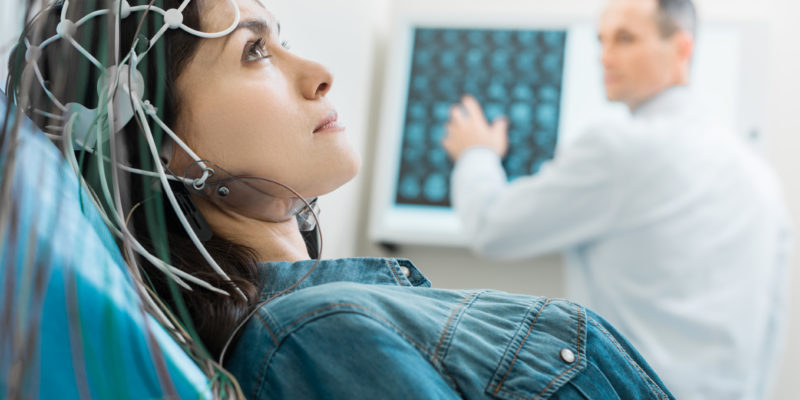
After a first seizure in adults, the evaluation is focused and practical. The goal is not simply to label the event. The goal is to identify the cause, estimate the risk of recurrence, and reduce the chance of injury from another episode.
Your history and witness account
The story of the event matters enormously. A neurologist will often ask:
- What exactly happened before the seizure?
- Was there sleep deprivation, missed meals, alcohol use, withdrawal, fever, illness, or recent head injury?
- Did the event begin with a strange smell, a rising feeling, sudden fear, or a blank stare?
- How long did it last?
- How long did recovery take?
- Was there confusion, drowsiness, headache, or body soreness afterward?
If someone recorded the episode on a phone, that can be very helpful. It is not unusual for the patient to remember little or nothing about the event itself.
Why a neurological exam matters
A neurological examination helps your doctor look for clues that may point toward a structural or functional brain issue. It may also help distinguish whether urgent imaging is needed, whether there are signs of stroke or infection, and whether the event fits a seizure pattern more strongly than an alternative explanation.
What details to bring to your appointment
Bring a list of medications, supplements, recent illnesses, prior head injuries, history of stroke, alcohol use, sleep pattern changes, and any earlier unexplained episodes such as blackouts, staring spells, or morning jerks. Also bring lab reports, hospital papers, scan reports, and a witness if possible.
Tests That May Be Recommended After a First Seizure
Not every patient needs the exact same test sequence, but some investigations are commonly considered after a first seizure in adults.
EEG
An EEG records the brain’s electrical activity. It does not “prove everything,” but it can show patterns that support a seizure diagnosis and help estimate the risk of another seizure.
A normal EEG does not completely rule out a seizure tendency. That is important to understand. Some people with epilepsy have a normal initial EEG, which is why the result must always be interpreted together with the clinical history.
MRI or CT brain imaging
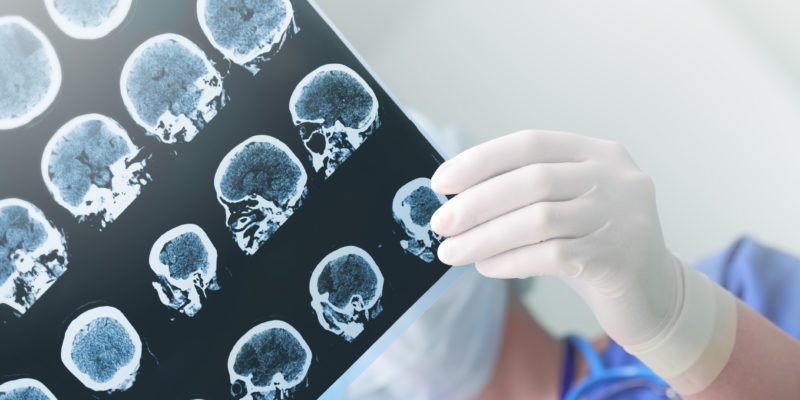
Brain imaging is often used to look for a structural reason for the event. MRI is usually more informative in many non-emergency cases, while CT may be used urgently when there is concern about bleeding, trauma, acute neurological symptoms, or another emergency issue.
The purpose of imaging is to look for treatable causes such as prior stroke, structural lesions, infection-related complications, or other abnormalities that may change the diagnosis or treatment plan.
Blood tests and other investigations
Blood tests may be used to look for reversible triggers such as low sugar, electrolyte imbalance, kidney or liver issues, or signs of infection. In selected situations, your doctor may recommend heart-related evaluation, toxicology testing, or other studies depending on the context of the episode.
The key point is this: the workup is not one-size-fits-all. It is guided by the history, examination, and the specific features of the seizure event.
Common Causes and Triggers of a First Seizure in Adults
A first seizure in adults can happen for many reasons. Some are temporary and reversible. Others point to an underlying neurological condition.
Provoked seizures
A provoked seizure happens in the setting of a clear trigger or acute medical issue. Examples may include:
- alcohol withdrawal
- severe sleep deprivation
- low blood sugar
- low sodium or other metabolic disturbances
- certain medications or substance use
- acute infection involving the brain or body
- recent head trauma
When a provoked cause is found and corrected, the long-term recurrence pattern may be different from an unprovoked seizure.
Unprovoked seizures
An unprovoked seizure is one that occurs without an obvious immediate trigger. This does not automatically mean the cause will never be found. Sometimes an MRI or EEG later reveals an explanation. In other cases, no clear structural cause is identified, but the person may still have a seizure tendency that needs follow-up.
Why the cause is not always obvious right away
Many patients expect one visit or one scan to provide a final answer. Sometimes that happens. Sometimes it does not.
Neurology often works by combining the event description, examination, EEG findings, imaging, and follow-up over time. That can feel frustrating, but it is often the safest and most accurate way to reach the right diagnosis.
Can It Happen Again? Understanding Seizure Recurrence Risk
This is usually the question patients ask once the immediate fear settles: “What are the chances this happens again?”
The answer depends on the full picture. The risk of recurrence is not the same for everyone.
What increases the chance of another seizure
Recurrence risk may be higher if:
- the EEG shows epileptiform abnormalities
- the brain scan shows a lesion or prior brain injury
- there has been a previous stroke, significant head trauma, or another brain insult
- the event occurred from sleep
- there may have been earlier subtle seizures that were not recognized at the time
A single first seizure does not automatically mean long-term medication will be required. But in some cases, treatment may be discussed early because the risk of another seizure is meaningfully higher.
When medication may be discussed
Starting an anti-seizure medication after a first seizure is an individualized decision. Some patients benefit from early treatment, especially when the risk of recurrence appears high. Others may be observed first, depending on the cause, test results, and overall context.
A good consultation is not just about prescribing or not prescribing. It is about helping the patient understand the trade-offs clearly.
Safety After a First Seizure: Driving, Bathing, Work, and Daily Life
Safety advice matters because even one further unexpected seizure could result in injury.
Driving after a seizure
In many places, driving restrictions apply after a seizure. The details vary by location and medical context, so this should be discussed directly with your neurologist. Even if you feel completely normal afterward, it is not wise to assume you are safe to drive until you have proper guidance.
This is often one of the most disruptive parts of recovery, but it is also one of the most important.
Bathing, swimming, heights, and machinery
Until your risk is better understood, take extra precautions:
- avoid swimming alone
- avoid bathing unsupervised if there is any concern about recurrence
- avoid ladders, rooftops, open flames, and dangerous machinery
- use caution with sharp tools and high-risk work environments
These precautions are not meant to frighten you. They are temporary safety measures while the evaluation is underway.
Sleep, alcohol, and recovery
Sleep deprivation can lower seizure threshold in some people. Heavy alcohol use, withdrawal, and some recreational substances can also increase risk. In the early period after a first seizure, it is wise to protect sleep, stay hydrated, eat regularly, and avoid anything that may worsen neurological instability.
If you are unsure whether a medication or supplement could affect seizure risk, ask before continuing it.
What to Expect at Your First Neurology Appointment
A good first seizure consultation should leave you with more clarity, not more confusion.
Who you may see
Depending on the setup, you may see a neurologist or an epilepsy specialist. The consultation usually focuses on understanding the event in detail, reviewing possible triggers, planning appropriate testing, and deciding what precautions are needed now.
What questions your doctor may ask
Expect detailed questions. This is a good sign. The doctor may ask about your sleep, alcohol intake, medications, prior fainting or blackout events, childhood seizures, family history, recent illness, head injury, and recovery after the episode.
Possible next steps after the visit
Your next steps may include:
- EEG
- MRI brain
- selected blood tests
- short-term safety advice
- driving guidance
- a follow-up review once results are available
- treatment discussion if recurrence risk looks higher
The best outcome of the first visit is not always an instant final diagnosis. Sometimes the best outcome is a structured, medically sound plan.
Medically Guided by Dr. Siddharth Kharkar
Dr. Siddharth Kharkar writes and speaks with one goal in mind: to help patients understand neurological symptoms clearly enough to take the right next step. In first seizure care, that means avoiding unnecessary panic, taking safety seriously, and making sure important signs are not dismissed.
A careful first seizure evaluation can prevent both overreaction and underreaction. If the event was seizure-related, timely review can help clarify cause, recurrence risk, and whether treatment is needed. If it was not a seizure, that matters just as much, because the next step may be very different.