
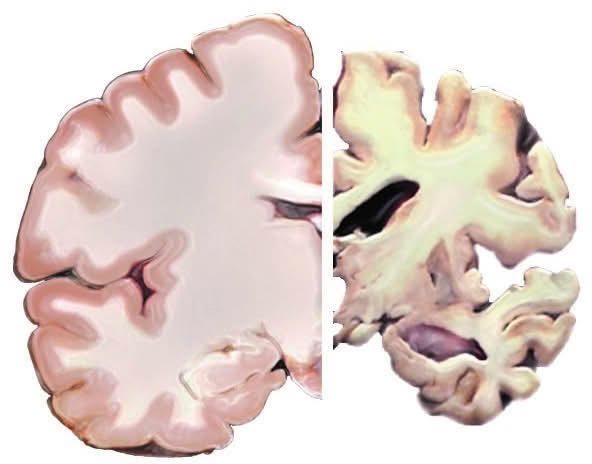
Memory changes can be frightening, especially when they begin to affect daily life. A forgotten name or misplaced object is not always a sign of Alzheimer’s disease, but repeated changes in memory, judgment, language, or behavior should not be ignored.
The early signs of Alzheimer’s disease are often subtle at first. They may look like ordinary forgetfulness, stress, aging, or tiredness, which is why families sometimes wait too long before seeking medical advice.
A timely neurological evaluation can help identify whether the symptoms are due to Alzheimer’s disease, mild cognitive impairment, medication effects, vitamin deficiency, thyroid problems, depression, sleep issues, stroke-related changes, or another treatable condition.
Medically Guided by Dr. Siddharth Kharkar
Trusted neurological guidance that turns complex symptoms into clear next steps. Focused on helping patients and families recognize Alzheimer’s warning signs early so they can seek the right care without delay.
What Are the Early Signs of Alzheimer’s Disease?
The early signs of Alzheimer’s disease often include memory loss that affects daily life, repeated questions, confusion with time or place, difficulty completing familiar tasks, trouble finding words, poor judgment, and changes in mood or personality.
Occasional forgetfulness can happen with age. The concern begins when memory or thinking problems become frequent, progressive, or start interfering with independence, work, safety, finances, medication use, or family life.
At a Glance
Alzheimer’s disease usually begins gradually. The first noticeable change is often short-term memory loss, such as forgetting recent conversations or appointments.
Other early signs may include confusion, word-finding difficulty, poor judgment, trouble managing routine tasks, and withdrawal from social activities.
A person may not always notice these changes in themselves. Family members often recognize the pattern first.
Early evaluation is important because not every memory problem is Alzheimer’s disease. Some causes of memory loss can be treated or improved with the right diagnosis.
Why Early Alzheimer’s Symptoms Are Often Missed
Early Alzheimer’s symptoms are often missed because they can look like normal aging. A person may forget a word, misplace an item, or take longer to remember a name.
The difference is frequency, pattern, and impact. Normal aging usually causes mild forgetfulness without major disruption, while Alzheimer’s disease gradually affects daily functioning.
Families may also adjust around the person without realizing it. They may start managing appointments, finances, medicines, or conversations, assuming they are simply “helping,” when these changes may actually be early signs of cognitive decline.
10 Early Signs of Alzheimer’s Disease
1. Memory Loss That Disrupts Daily Life
Memory loss is one of the most common early symptoms of Alzheimer’s disease. This is not the same as occasionally forgetting where you kept your glasses.
A concerning pattern includes forgetting recent conversations, important dates, appointments, or events. The person may depend more heavily on family members, reminders, or notes for things they previously managed independently.
Recent memory is usually affected earlier than older memories. A person may clearly remember events from many years ago but repeatedly forget something discussed that morning.
2. Repeating the Same Questions or Stories
Repeating questions can be one of the first signs families notice. The person may ask the same thing again and again, even after receiving a clear answer.
This happens because the brain may not properly store new information. The person is not doing it deliberately, and becoming angry with them usually increases confusion or anxiety.
A helpful approach is to calmly answer, redirect, and note how often this happens. If repetition is frequent or worsening, it is worth discussing with a neurologist.
3. Difficulty Planning or Solving Problems
Some people begin struggling with tasks that require planning, sequencing, or concentration. They may find it harder to follow a recipe, manage bills, track expenses, or organize daily activities.
This may be especially noticeable in people who were previously careful, organized, or financially independent. Mistakes may begin appearing in areas where they rarely had difficulty before.
This type of change can indicate more than simple forgetfulness. It may reflect changes in thinking, attention, judgment, or problem-solving.
4. Trouble Completing Familiar Tasks

A person with early Alzheimer’s disease may struggle with tasks they have done for years. This may include cooking a familiar dish, using a phone, operating household appliances, driving to a known place, or managing medicines.
The task itself may not be complex. What matters is that it was previously easy for that person and is now becoming confusing or unsafe.
Families should pay close attention when familiar routines begin to require supervision. This is especially important if the task involves driving, gas, money, or medication.
5. Confusion With Time, Place, or Routine
Confusion about dates, days, seasons, or locations can be an early warning sign. A person may lose track of what month it is, forget why they entered a room, or become confused in a familiar neighborhood.
Getting lost on a familiar route deserves prompt attention. This is particularly important when it happens while driving or walking alone.
Confusion may come and go in the beginning. Even if the person seems normal at other times, repeated episodes should be evaluated.
6. Trouble Finding Words or Following Conversations
Word-finding difficulty can happen to anyone occasionally. In Alzheimer’s disease, the problem becomes more frequent and starts affecting conversation.
The person may stop mid-sentence, repeat themselves, call objects by the wrong name, or struggle to follow a discussion. They may also avoid conversations because speaking has become frustrating.
Families may notice that the person participates less in group discussions. This withdrawal may be mistaken for mood change, hearing difficulty, or disinterest.
7. Misplacing Things and Being Unable to Retrace Steps
Everyone misplaces objects sometimes. The concern is when a person puts items in unusual places and cannot retrace their steps.
For example, they may keep keys in the refrigerator, money in a strange drawer, or medicines in an unexpected location. They may also accuse others of stealing because they cannot remember where they placed something.
This can create tension at home. A calm, non-accusatory response is important while arranging medical evaluation if the pattern repeats.
8. Poor Judgment or Unusual Decisions
Changes in judgment may appear before severe memory loss. A person may make unusual financial decisions, neglect hygiene, fall for scams, dress inappropriately for the weather, or take unsafe risks.
This is especially concerning when the behavior is out of character. Families should not dismiss sudden poor judgment as stubbornness or personality alone.
Poor judgment can affect safety and independence. Early medical guidance can help families plan supervision without unnecessarily taking away dignity.
9. Withdrawal From Work, Hobbies, or Social Life
A person may stop attending social events, avoiding hobbies, or withdrawing from work or family conversations. This may happen because memory and communication difficulties have become embarrassing.
Withdrawal can also overlap with depression, anxiety, hearing loss, sleep problems, or other medical conditions. This is why proper evaluation matters.
When someone who was previously active becomes unusually quiet, hesitant, or isolated, the reason should be explored gently.
10. Mood, Personality, or Behavior Changes
Alzheimer’s disease can affect mood and behavior. A person may become anxious, suspicious, irritable, fearful, apathetic, or easily upset.
These changes can be difficult for families because they may feel personal. In many cases, the person is reacting to confusion, memory gaps, or reduced ability to understand situations.
Sudden or severe behavior change should be assessed promptly. It may be related to dementia, infection, medication effects, stroke, seizures, sleep problems, or another neurological condition.
Normal Aging vs Alzheimer’s: How to Tell the Difference
Normal aging | Possible Alzheimer’s warning sign |
Forgetting a name but remembering it later | Forgetting names of close people or repeatedly asking the same question |
Misplacing keys occasionally | Putting items in unusual places and being unable to retrace steps |
Forgetting the date briefly | Losing track of date, season, or place frequently |
Making one poor decision occasionally | Repeated poor judgment with money, safety, or hygiene |
Needing help with new technology | Struggling with familiar daily tasks |
Taking longer to find words | Frequently losing words or being unable to follow conversation |
Mild slowing with age | Progressive decline affecting daily independence |
The key difference is daily function. If memory or thinking changes begin interfering with independence, safety, finances, medicines, work, or relationships, it is time to seek medical advice.
This is also where understanding mild cognitive impairment vs dementia becomes important. Mild cognitive impairment may cause measurable memory or thinking changes, but dementia involves greater impact on daily functioning.
When Should You See a Neurologist?
You should consider seeing a neurologist when memory loss is frequent, progressive, or noticed by family members. A consultation is also important if the person is repeating questions, getting lost, making unsafe decisions, or struggling with familiar tasks.
Seek medical help sooner if symptoms appear after a stroke, seizure, head injury, sudden confusion, weakness, speech difficulty, severe headache, or major personality change. Sudden neurological symptoms should be treated as urgent.
A neurologist in Thane can evaluate whether the symptoms are due to Alzheimer’s disease, another dementia, mild cognitive impairment, stroke-related changes, seizures, Parkinson’s-related cognitive changes, depression, sleep problems, medication effects, or other causes.
What Happens During an Alzheimer’s Evaluation?
An Alzheimer’s evaluation usually begins with a detailed history. The doctor may ask when symptoms started, how they have changed, and whether they affect daily activities.
A family member’s observations are often very helpful. People with memory problems may not fully recognize their own symptoms, especially in the early stages.
The evaluation may include memory and thinking tests, neurological examination, blood tests, medicine review, and brain imaging when needed. These tests help rule out other causes and understand the pattern of cognitive decline.
The goal is not to label someone quickly. The goal is to find the most accurate explanation and create a practical care plan.
Why Early Diagnosis Matters
Early diagnosis gives families time to plan. It can help with treatment decisions, safety planning, financial organization, driving decisions, medication supervision, and caregiver support.
It also helps identify conditions that may mimic Alzheimer’s disease. Vitamin deficiencies, thyroid disease, depression, sleep disorders, infections, medication side effects, strokes, seizures, and other neurological problems can sometimes affect memory and thinking.
Even when Alzheimer’s disease is confirmed, early care can still make a meaningful difference. It allows the patient and family to understand what is happening, reduce avoidable risks, and plan the next steps with medical guidance.
How Families Can Help Without Creating Fear
Start with observation, not accusation. Instead of saying, “You keep forgetting everything,” try saying, “I have noticed you seem to be struggling with appointments and medicines recently. Can we discuss it with a doctor?”
Keep a simple record of symptoms. Note examples, frequency, dates, safety concerns, medication mistakes, financial errors, or episodes of confusion.
Avoid arguing about forgotten events. If the person does not remember something, repeated correction may increase distress.
Offer support while preserving dignity. The goal is not to take control suddenly, but to make daily life safer and easier.