
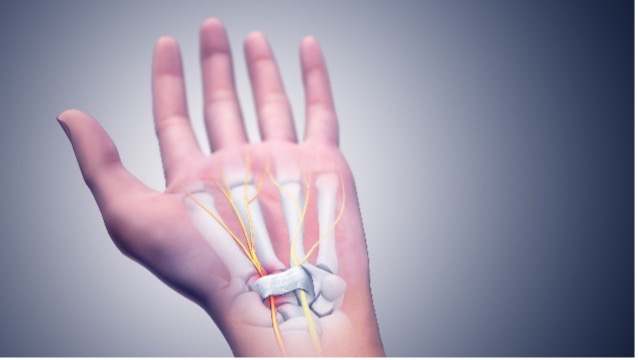
Hand numbness, tingling, burning, or weakness can be confusing. Many people assume it is carpal tunnel. But the same feeling can also come from a pinched nerve in the neck or from neuropathy.
The important point is this: the symptom may feel similar, but the source can be very different. One problem may start at the wrist. Another may start in the neck. Another may come from nerve damage affecting the hands, feet, or both.
Getting the right diagnosis matters because the treatment for each condition is different.
Medically Guided by Dr. Siddharth Kharkar
Trusted neurological guidance that turns complex symptoms into clear next steps. This article is focused on helping patients and families understand hand numbness, tingling, burning, weakness, and nerve-related warning signs so they can seek the right care without delay.
Is It the Wrist, Neck, or Nerves?
Carpal tunnel syndrome usually starts at the wrist and commonly affects the thumb, index finger, middle finger, and part of the ring finger. It may be worse at night or while using the hand.
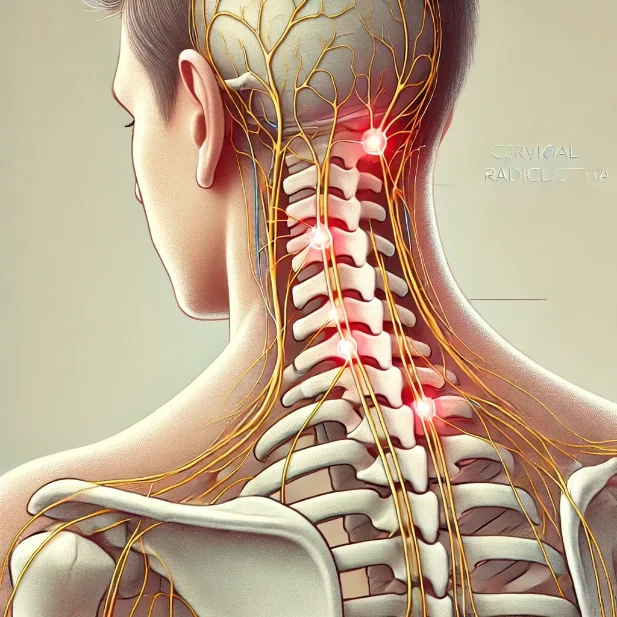
Cervical radiculopathy starts from a nerve root in the neck. It can cause pain, tingling, numbness, or weakness that travels from the neck or shoulder down the arm.
Peripheral neuropathy is nerve damage outside the brain and spinal cord. It often causes burning, tingling, numbness, or weakness in the feet first, but the hands may also be affected.
A neurologist looks at the pattern, timing, triggers, examination findings, and test results before deciding the cause.
At a Glance: Key Differences Between Carpal Tunnel, Cervical Radiculopathy, and Neuropathy
Feature | Carpal Tunnel Syndrome | Cervical Radiculopathy | Peripheral Neuropathy |
Main source | Median nerve compressed at the wrist | Nerve root irritated or compressed in the neck | Damage to peripheral nerves |
Common feeling | Tingling, numbness, hand weakness | Neck pain with pain or tingling traveling into the arm | Burning, tingling, numbness, sensitivity, weakness |
Common area | Thumb, index finger, middle finger, part of ring finger | Neck, shoulder, arm, hand | Feet, legs, hands, or both sides |
Common clue | Worse at night or with hand use | Worse with neck movement | Gradual symptoms, often in feet before hands |
Tests that may help | Nerve conduction study, EMG | Neurological exam, MRI, EMG | Blood tests, nerve conduction study, EMG |
Why These Conditions Can Feel So Similar
Your nerves carry messages between the brain, spinal cord, arms, hands, legs, and feet. When a nerve is squeezed, irritated, or damaged, it can create symptoms like tingling, burning, numbness, pain, or weakness.
That is why carpal tunnel syndrome, cervical radiculopathy, and neuropathy can feel alike at first. They all involve nerve-related symptoms. The difference is where the problem begins.
A wrist nerve problem needs a different approach than a neck nerve problem. A widespread nerve problem needs a different evaluation again.
Carpal Tunnel Syndrome: When the Wrist Is the Problem
Carpal tunnel syndrome happens when the median nerve is compressed as it passes through a narrow passage in the wrist called the carpal tunnel.
This nerve helps provide feeling to the thumb, index finger, middle finger, and part of the ring finger. It also helps control some thumb movements.
Common Symptoms of Carpal Tunnel Syndrome
Carpal tunnel symptoms may include:
- Numbness or tingling in the thumb, index finger, middle finger, or part of the ring finger
- Hand tingling that wakes you from sleep
- A need to shake the hand to feel better
- Wrist pain or hand pain
- Weak grip
- Dropping objects
- Trouble holding a phone, steering wheel, book, or computer mouse
The little finger is usually not the main finger affected in classic carpal tunnel syndrome.
Clues That Point Toward Carpal Tunnel
Carpal tunnel becomes more likely when symptoms:
- Are worse at night
- Are worse with wrist bending
- Happen while typing, driving, holding a phone, or gripping tools
- Improve after shaking the hand
- Stay mostly in the hand and wrist
This does not prove the diagnosis by itself, but it gives an important clue.
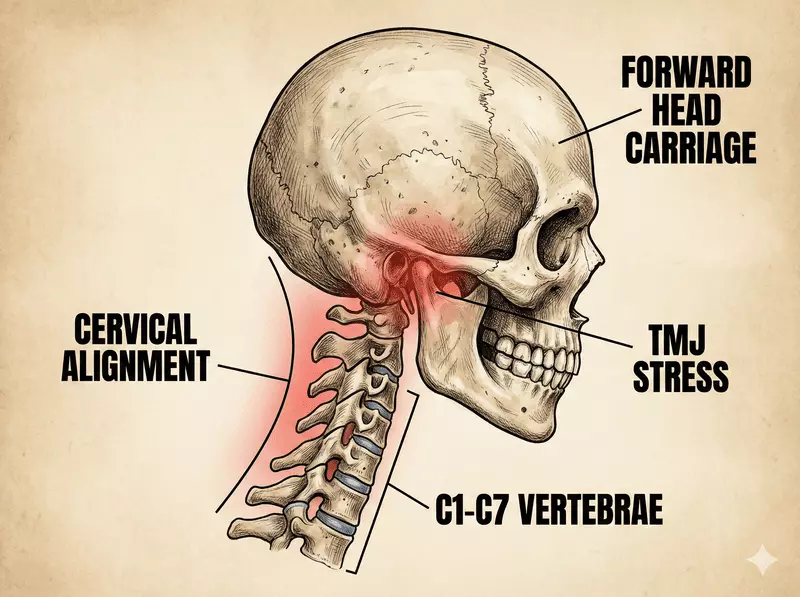
Cervical Radiculopathy: When the Neck Is the Problem
Cervical radiculopathy means a nerve root in the neck is irritated or compressed. Many people call this a pinched nerve in the neck.
Because nerves from the neck travel into the shoulder, arm, and hand, the symptoms may not stay in the neck. They can move down the arm and reach the fingers.
Common Symptoms of Cervical Radiculopathy
Cervical radiculopathy may cause:
- Neck pain
- Pain traveling from the neck into the shoulder, arm, or hand
- Tingling or numbness in the arm or fingers
- Weakness in the shoulder, arm, wrist, or hand
- Pain that feels sharp, burning, or electric
- Symptoms that change when you turn or bend the neck
Clues That Point Toward a Pinched Nerve in the Neck
A neck-related nerve problem becomes more likely when:
- Pain starts in the neck or shoulder
- Symptoms travel down the arm
- Neck movement increases the tingling or pain
- There is arm weakness along with numbness
- Reflexes are reduced on examination
- Symptoms do not clearly depend on wrist position
A cervical spine MRI may show disc changes, but MRI findings must match the symptoms and examination. Many people can have spine changes on scans without those changes being the true cause of hand symptoms.
Peripheral Neuropathy: When the Nerves Themselves Are Affected
Peripheral neuropathy means damage or dysfunction in the nerves outside the brain and spinal cord. It can happen for many reasons, including diabetes, vitamin deficiency, alcohol use, thyroid problems, kidney disease, infections, autoimmune conditions, certain medicines, or toxins.
Neuropathy is different from carpal tunnel because it is often not limited to one nerve at the wrist. It is also different from cervical radiculopathy because the problem is not only at a nerve root in the neck.
Common Symptoms of Peripheral Neuropathy
Peripheral neuropathy may cause:
- Burning pain
- Tingling
- Numbness
- Pins and needles
- Electric shock-like pain
- Sensitivity to touch
- Weakness
- Balance problems
- Symptoms in both feet, both hands, or both sides of the body
In many patients, especially those with diabetes, diabetic neuropathy can cause gradual tingling, burning, and numbness that may first appear in the feet.
Clues That Point Toward Neuropathy
Neuropathy becomes more likely when:
- Symptoms started gradually
- Both feet are affected
- Symptoms feel like burning or pins and needles
- There is a “sock-like” or “glove-like” feeling
- Tingling is present in both hands or both feet
- There is a history of diabetes, vitamin deficiency, alcohol use, chemotherapy, kidney disease, or thyroid disease
Patients who notice burning feet, tingling, and numbness should not assume it is only tiredness, poor posture, or age. Repeated symptoms deserve proper evaluation.
How Doctors Tell the Difference
A good diagnosis does not depend on one symptom alone. It depends on the full pattern.
A neurologist may ask:
- Where did the symptom start?
- Which fingers are affected?
- Is the little finger involved?
- Is there neck pain?
- Does wrist movement trigger symptoms?
- Does neck movement trigger symptoms?
- Are the symptoms worse at night?
- Are the feet also involved?
- Is there weakness, imbalance, or loss of sensation?
- Is there diabetes, thyroid disease, vitamin deficiency, or another medical condition?
Symptom Pattern and Medical History
The location of symptoms gives the first clue.
Carpal tunnel often affects the thumb, index finger, middle finger, and part of the ring finger.
Cervical radiculopathy may follow a nerve-root pattern from the neck into the shoulder, arm, or hand.
Neuropathy often affects both sides and may begin in the feet before moving upward or involving the hands.
Neurological Examination
During an examination, the doctor may check:
- Muscle strength
- Reflexes
- Sensation
- Coordination
- Neck movement
- Wrist position
- Finger pattern
- Grip strength
- Balance
- Signs of nerve irritation
This helps separate a wrist nerve problem from a neck nerve problem or a wider neuropathy pattern.
EMG, Nerve Conduction Study, and MRI
A nerve conduction study checks how well electrical signals travel through the nerves. EMG checks how muscles respond to nerve signals.
These tests can help identify whether the problem is coming from the wrist, neck, or peripheral nerves.
An MRI may be useful when cervical radiculopathy is suspected, especially if there is neck pain, arm pain, weakness, or signs of nerve root compression. But MRI should be interpreted along with the symptoms and examination.
When Hand Numbness or Tingling Needs Urgent Care
Seek urgent medical help if numbness or weakness comes on suddenly, especially if it affects one side of the body.
Do not wait if symptoms come with:
- Face drooping
- Trouble speaking
- Confusion
- Sudden severe headache
- Sudden vision changes
- Sudden weakness in one arm or leg
- Loss of balance
- Chest pain
- Fainting
These may point to a serious neurological or medical emergency, including stroke or TIA.
Also seek prompt medical care if you have:
- Worsening hand weakness
- Difficulty walking
- Loss of bladder or bowel control
- Numbness spreading quickly
- Severe neck pain with weakness
- Numbness after injury
- Symptoms that disturb sleep or daily work repeatedly
Why Guessing the Cause Can Delay the Right Treatment
It is common for people to label every hand tingling problem as carpal tunnel. That can delay the right diagnosis.
For example, a wrist splint may help carpal tunnel, but it will not treat a pinched nerve in the neck. Neck exercises may help some people with cervical radiculopathy, but they will not correct diabetic neuropathy. Pain medicine may reduce discomfort, but it may not address the cause of nerve damage.
Sometimes two problems can also exist together. A person may have carpal tunnel and cervical radiculopathy at the same time. This is one reason proper examination and testing matter.
Treatment Depends on the Real Cause
The best treatment depends on the diagnosis.
Treatment for Carpal Tunnel Syndrome
Treatment may include:
- Wrist splinting, especially at night
- Reducing repetitive wrist strain
- Ergonomic changes
- Anti-inflammatory treatment when appropriate
- Steroid injection in selected cases
- Nerve testing if symptoms continue
- Surgery in severe or long-standing cases with weakness or nerve damage
Treatment for Cervical Radiculopathy
Treatment may include:
- Medicines to reduce pain and inflammation
- Physiotherapy guided by diagnosis
- Posture and activity changes
- Avoiding movements that worsen symptoms
- Imaging when needed
- Injections in selected cases
- Surgery only when symptoms are severe, progressive, or not improving with conservative care
Treatment for Peripheral Neuropathy
Treatment focuses on finding and treating the cause. This may include checking blood sugar, vitamin levels, thyroid function, kidney function, medication history, alcohol use, autoimmune markers, or other possible triggers.
The right neuropathy treatment may include treating the underlying condition, nerve pain medicines, lifestyle changes, physiotherapy, fall prevention, and regular follow-up.