
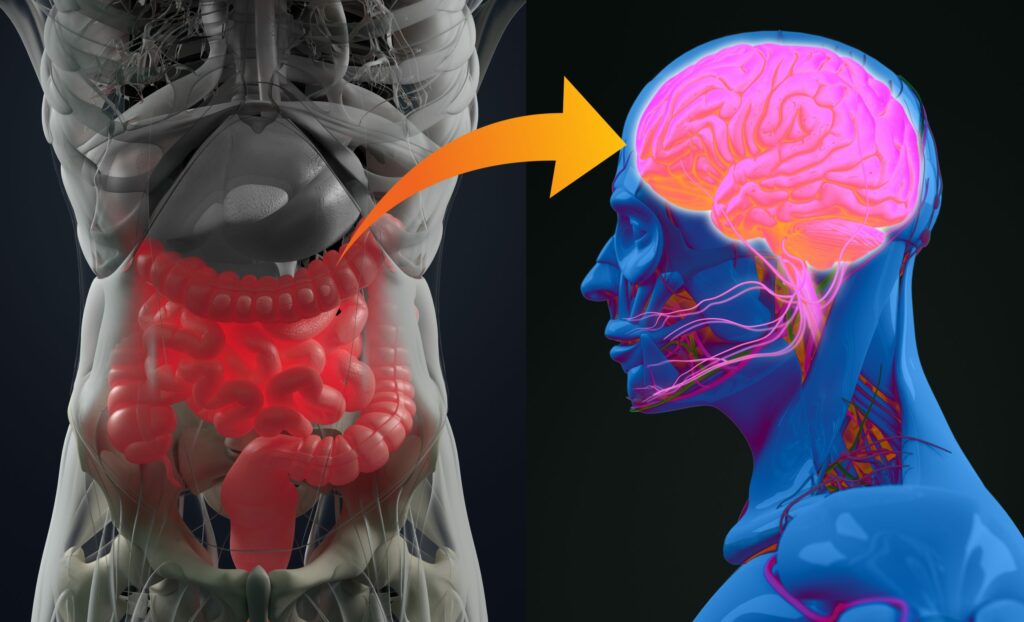
Constipation is one of the most common non-movement problems in Parkinson’s disease. It can be uncomfortable, frustrating, and sometimes embarrassing to talk about. But it is important to discuss it openly because bowel changes can affect comfort, appetite, sleep, daily routine, and even how Parkinson’s medicines work.
For many people, Parkinson’s disease and constipation are connected because Parkinson’s does not only affect movement. It can also affect the nerves that help the digestive system move food and stool through the body.
The good news is this: constipation can often be managed. But the right plan depends on why it is happening, how severe it is, what medicines you take, and whether there are any warning signs.
Medically Guided by Dr. Siddharth Kharkar
Trusted neurological guidance that turns complex symptoms into clear next steps. Focused on helping patients and families recognize Parkinson’s-related warning signs early, understand what may be happening inside the body, and seek the right care without delay.
Quick Answer: Why Does Parkinson’s Cause Constipation?
Parkinson’s can cause constipation because the disease may slow the automatic nerve signals that help the gut move normally. These nerves are part of the autonomic nervous system, which controls body functions we do not think about, such as digestion, sweating, blood pressure, and bowel movement.
When the gut moves slowly, stool stays in the intestine longer. More water is absorbed from the stool, making it harder, drier, and more difficult to pass. Parkinson’s medicines, reduced physical activity, low fluid intake, and changes in eating habits can make constipation worse.
Constipation can also happen years before tremor, stiffness, or slowness appear. By itself, constipation does not mean a person has Parkinson’s disease. But in someone who already has Parkinson’s, it should be taken seriously.
At a Glance
- Constipation is a common non-motor symptom of Parkinson’s disease.
- It may happen because the nerves controlling the digestive tract slow down.
- Some Parkinson’s medicines and other medicines can worsen constipation.
- Constipation may affect how well levodopa and other medicines are absorbed.
- Hydration, fiber, movement, and bowel routine may help.
- Severe, sudden, or painful constipation needs medical review.
What Counts as Constipation in Parkinson’s Disease?
Constipation does not only mean “not going to the toilet every day.” People have different bowel patterns. For some, a bowel movement every day is normal. For others, a few times a week may be normal.
In Parkinson’s disease, constipation may include:
- Fewer than three bowel movements in a week
- Hard, dry, or pellet-like stools
- Straining during bowel movement
- Feeling that the bowel has not emptied fully
- Bloating or abdominal pressure
- Cramping or discomfort
- Nausea or reduced appetite
- Needing a long time in the bathroom
Some people slowly get used to constipation and begin to think it is normal. That is why it is helpful to track bowel movements, stool hardness, straining, and changes in medicine response.
Why Constipation Happens in Parkinson’s Disease

Constipation in Parkinson’s disease usually has more than one cause. It is often a mix of nerve changes, slower gut movement, medicine effects, activity changes, and fluid or diet changes.
The Gut Can Slow Down
The digestive tract has muscles that gently push food and waste forward. In Parkinson’s, this movement may become slower. When stool moves too slowly through the colon, it becomes harder and more difficult to pass.
This is why a person may feel bloated, heavy, or uncomfortable even when they are eating normally.
The Autonomic Nervous System May Be Affected
The autonomic nervous system controls automatic body functions. Digestion is one of them.
Parkinson’s can affect this system. When that happens, the bowel may not receive the right signals at the right time. The result can be slow bowel movement, irregular toilet patterns, and chronic constipation.
This is one reason constipation is called a non-motor symptom of Parkinson’s. It is not about tremor or stiffness, but it is still part of the disease for many people.
Bowel Muscles May Not Coordinate Well
Passing stool requires coordination. The bowel must push stool down. The abdominal muscles help. The muscles around the anus must relax at the right time.
In Parkinson’s, this coordination may not work smoothly. Some people feel the urge to pass stool but still cannot empty properly. Others strain a lot and still feel incomplete emptying.
This can be very tiring and upsetting. It is also a reason why constipation should not be dismissed as a small problem.
Parkinson’s Medicines Can Add to the Problem
Some medicines used in Parkinson’s, and some medicines used for other health conditions, can worsen constipation. This does not mean the medicine is “bad” or should be stopped suddenly.
It means the full medicine list should be reviewed by a doctor.
Medicines that may contribute to constipation include some Parkinson’s medicines, some pain medicines, some antidepressants, iron tablets, and some antacids. Your doctor can decide whether a change is needed or whether constipation can be managed safely while continuing the medicine.
Can Constipation Happen Before Tremor or Stiffness?
Yes. Constipation can appear before the classic movement symptoms of Parkinson’s, such as tremor, stiffness, slowness, or balance changes.
This can confuse patients and families because many people think Parkinson’s always begins with a tremor. In reality, Parkinson’s may show non-motor symptoms first, including constipation, loss of smell, sleep changes, mood changes, and fatigue.
Many families first search for answers about Parkinson’s tremor vs essential tremor when shaking begins, but constipation and other non-motor symptoms may have been present much earlier.
Still, constipation alone is very common and does not prove Parkinson’s disease. It should be evaluated in context, especially if it is chronic, unexplained, or appears with other neurological symptoms.
How Constipation Can Affect Parkinson’s Medication
This is one of the most important reasons to take constipation seriously.
Levodopa and many Parkinson’s medicines need to move through the stomach and intestine before they are absorbed. If the stomach or bowel is moving slowly, medicine absorption may become delayed or uneven.
A person may notice:
- Medicine takes longer to work
- Symptoms fluctuate more
- “Off” time feels worse
- Stiffness or slowness returns sooner
- Nausea or bloating appears after meals or medicine
Constipation is not the only reason medicine response changes. But it is one possible reason, especially when bowel problems and medicine timing problems happen together.
Do not change Parkinson’s medicine timing or dosage on your own. Discuss the pattern with your neurologist.
Other Reasons Constipation May Get Worse
Not every bowel problem in a person with Parkinson’s is caused only by Parkinson’s. Other factors may add to it.
Common contributors include:
- Drinking less water
- Eating too little fiber
- Reduced walking or physical activity
- Ignoring the urge to pass stool
- Difficulty chewing or swallowing
- Pain medicines
- Iron supplements
- Thyroid problems
- Diabetes
- Irritable bowel syndrome
- Stress or change in routine
This matters because the treatment plan should match the cause. For example, adding fiber without enough water can sometimes make bloating worse. Taking laxatives without medical advice may not be safe for every patient.
What Can Help Constipation in Parkinson’s Disease?
The goal is not just to “force” a bowel movement. The goal is to create a safer, regular, and comfortable bowel routine.
Build a Gentle Daily Bowel Routine
Try to use the toilet at a regular time each day, especially after breakfast or a warm drink. The bowel is often more active after food or warm fluids.
Give yourself enough time. Do not rush. Sitting with the feet slightly raised on a small stool may help some people pass stool more easily.
Avoid ignoring the urge to go. The longer stool stays inside, the harder it can become.
Increase Fluids Safely

Water helps keep stool softer. Many people with Parkinson’s drink less because they worry about frequent urination, nighttime bathroom trips, or difficulty reaching the toilet.
Still, too little fluid can worsen constipation.
Ask your doctor what amount is safe for you, especially if you have heart, kidney, swallowing, or bladder problems.
Add Fiber Slowly
Fiber can help stool move better, but it should be increased slowly. Sudden high fiber intake can cause bloating, gas, or cramps.
Possible fiber sources may include fruits, vegetables, whole grains, beans, lentils, psyllium, or other doctor-approved options.
If swallowing is difficult, do not start dry fiber supplements without medical advice. Fiber needs enough fluid to work safely.
Keep Moving Within Your Ability
Physical movement helps stimulate the bowel. Walking, stretching, physiotherapy-guided exercises, or simple daily movement can help, depending on the person’s balance and mobility.
If walking is difficult or falls are a concern, ask your doctor or physiotherapist for safe movement options.
Ask Before Using Laxatives or Stool Softeners
Some people need stool softeners, fiber supplements, laxatives, suppositories, or other medicines. These can help, but the choice should be guided by a doctor.
This is especially important if constipation is severe, long-lasting, painful, or linked with vomiting, weight loss, bleeding, or confusion.
A complete Parkinson’s disease treatment plan should include both movement symptoms and non-motor symptoms like constipation.
When Should You See a Neurologist or Doctor?
You should speak with a doctor if constipation is frequent, worsening, or affecting daily life.
Seek medical help sooner if you notice:
- No bowel movement for several days
- Severe abdominal pain
- Vomiting
- Swelling or marked bloating
- Blood in stool
- Unexplained weight loss
- Sudden new constipation
- Fever
- Confusion or unusual sleepiness
- Leakage of stool or watery stool after days of constipation
- Constipation that affects Parkinson’s medicine response
Do not assume every bowel change is “just Parkinson’s.” A doctor may need to check for impaction, medicine side effects, dehydration, thyroid problems, diabetes, bowel disease, or other causes.