
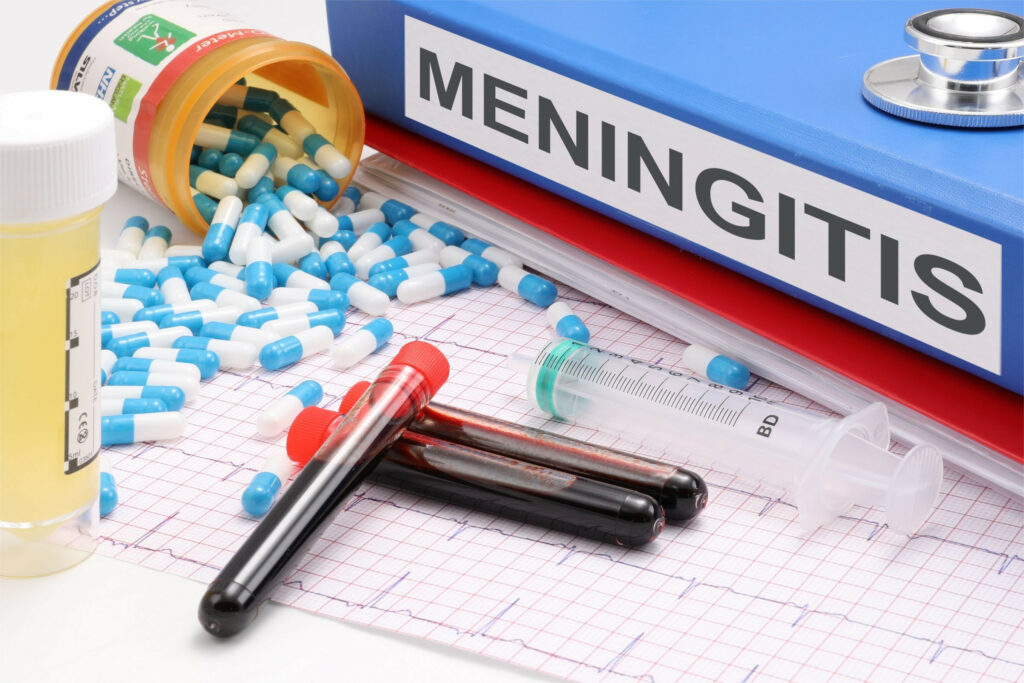
Meningitis can begin like a common fever, flu, migraine, or viral illness. That is why the early signs are often missed.
The important difference is that meningitis can worsen quickly, especially when it is caused by bacteria. In adults, fever with a severe headache, stiff neck, vomiting, confusion, drowsiness, seizures, sensitivity to light, or a new rash should be taken seriously.
If symptoms are sudden, severe, or getting worse, do not wait at home to “see what happens.” Suspected meningitis needs urgent medical evaluation.
Medically Guided by Dr. Siddharth Kharkar
Trusted neurological guidance that turns complex symptoms into clear next steps.
This article is focused on helping patients and families recognize meningitis warning signs in adults early, understand when symptoms may point to a brain or nervous system infection, and seek the right care without delay.
What Are the Meningitis Warning Signs in Adults?
The main warning signs of meningitis in adults include sudden fever, severe headache, stiff neck, nausea or vomiting, sensitivity to light, confusion, unusual sleepiness, difficulty waking, seizures, and sometimes a rash or blotchy skin.
Not every adult will have every symptom. Symptoms may also appear in any order.
Seek emergency care immediately if an adult has fever with severe headache, neck stiffness, confusion, seizure, repeated vomiting, extreme drowsiness, a rash that does not fade when pressed, or symptoms that are rapidly worsening.
At a Glance: Early and Serious Meningitis Symptoms in Adults
Symptom | Why It Matters | What to Do |
Fever | May be an early sign of infection | Monitor closely, especially with headache or neck pain |
Severe headache | Can suggest irritation around the brain and spinal cord | Seek urgent care if sudden, intense, or unusual |
Stiff neck | A classic warning sign of meningitis | Treat as urgent when combined with fever or headache |
Vomiting | Often occurs with severe infection or raised pressure symptoms | Do not ignore if repeated or combined with headache |
Sensitivity to light | Can occur when the meninges are irritated | Seek care if linked with fever or severe headache |
Confusion | Suggests brain or nervous system involvement | Emergency evaluation is needed |
Drowsiness or difficulty waking | Can be a serious neurological warning sign | Go to emergency care |
Seizure | May occur when infection affects the brain or nervous system | Emergency care is required |
Rash or blotchy skin | May suggest bloodstream infection or sepsis | Do not wait; seek emergency care |
When Meningitis Symptoms Need Emergency Care
Meningitis should be treated as a medical emergency when symptoms are severe, sudden, or worsening.
Go to emergency care immediately if an adult has:
- Fever with severe headache
- Stiff neck
- Confusion or unusual behavior
- Drowsiness or difficulty waking
- Repeated vomiting
- Seizures
- Sensitivity to bright light with severe headache
- Rash, purple spots, or blotchy skin
- Cold hands and feet with fever
- Rapid worsening over hours
A person with meningitis may look only mildly unwell at first. The danger is that the condition can progress quickly.
Do Not Wait for a Rash
A rash can occur in some serious forms of meningitis, especially when infection spreads into the bloodstream. However, many adults with meningitis do not develop a rash early.
Waiting for a rash can delay treatment. If fever, severe headache, stiff neck, confusion, or drowsiness is present, seek medical care even if the skin looks normal.
Symptoms Can Appear in Any Order
Meningitis does not always follow a predictable pattern.
One person may first develop fever and headache. Another may become confused, sleepy, or sensitive to light before neck stiffness becomes obvious.
This is why the overall pattern matters. A combination of worsening fever, severe headache, neck stiffness, vomiting, confusion, or neurological symptoms should not be ignored.
Early Symptoms of Meningitis in Adults
Early symptoms of meningitis can look like many common illnesses. This is one reason people may delay care.
The early stage may feel like viral fever, flu, migraine, sinus infection, stomach infection, or exhaustion. However, meningitis becomes more concerning when symptoms intensify, cluster together, or affect alertness and behavior.
Fever, Headache, and Body Pain
Fever and headache are among the most common early symptoms.
A meningitis headache is often more severe than a usual headache. It may feel intense, persistent, or different from previous headaches.
Body pain, muscle pain, chills, and a general feeling of being very unwell may also occur.
Nausea, Vomiting, and Stomach Symptoms
Nausea and vomiting can appear early.
Some adults may also have stomach cramps, loose motions, or poor appetite. These symptoms can mislead people into thinking the problem is only a stomach infection.
Vomiting with severe headache, fever, neck stiffness, confusion, or light sensitivity should be treated as urgent.
Tiredness, Cold Hands and Feet, or Feeling Unusually Unwell
A person with meningitis may become unusually tired, weak, or withdrawn.
Cold hands and feet with fever can be a warning sign, especially when the person looks very ill or is worsening. Family members may notice that the person is “not behaving normally” before the patient realizes how serious the illness is.
Trust that observation. A sudden change in alertness, speech, behavior, or responsiveness needs urgent assessment.
Serious Warning Signs of Meningitis in Adults
Some symptoms suggest that meningitis may be affecting the brain, spinal cord, or bloodstream more seriously.
These symptoms should not be managed at home.
Stiff Neck with Severe Headache
A stiff neck is one of the most recognized signs of meningitis.
The person may find it painful or difficult to bend the neck forward. When stiff neck occurs with fever and a severe headache, meningitis becomes a serious concern.
Do not try to repeatedly test the neck at home. If the combination is present, seek medical care.
Confusion, Drowsiness, or Difficulty Waking
Confusion is a major warning sign.
The person may seem disoriented, unusually irritable, slow to respond, unable to concentrate, or unaware of surroundings. Drowsiness that seems excessive or difficulty waking the person is especially concerning.
These symptoms suggest the brain or nervous system may be affected. Emergency evaluation is needed.
Seizures, Light Sensitivity, or New Neurological Symptoms
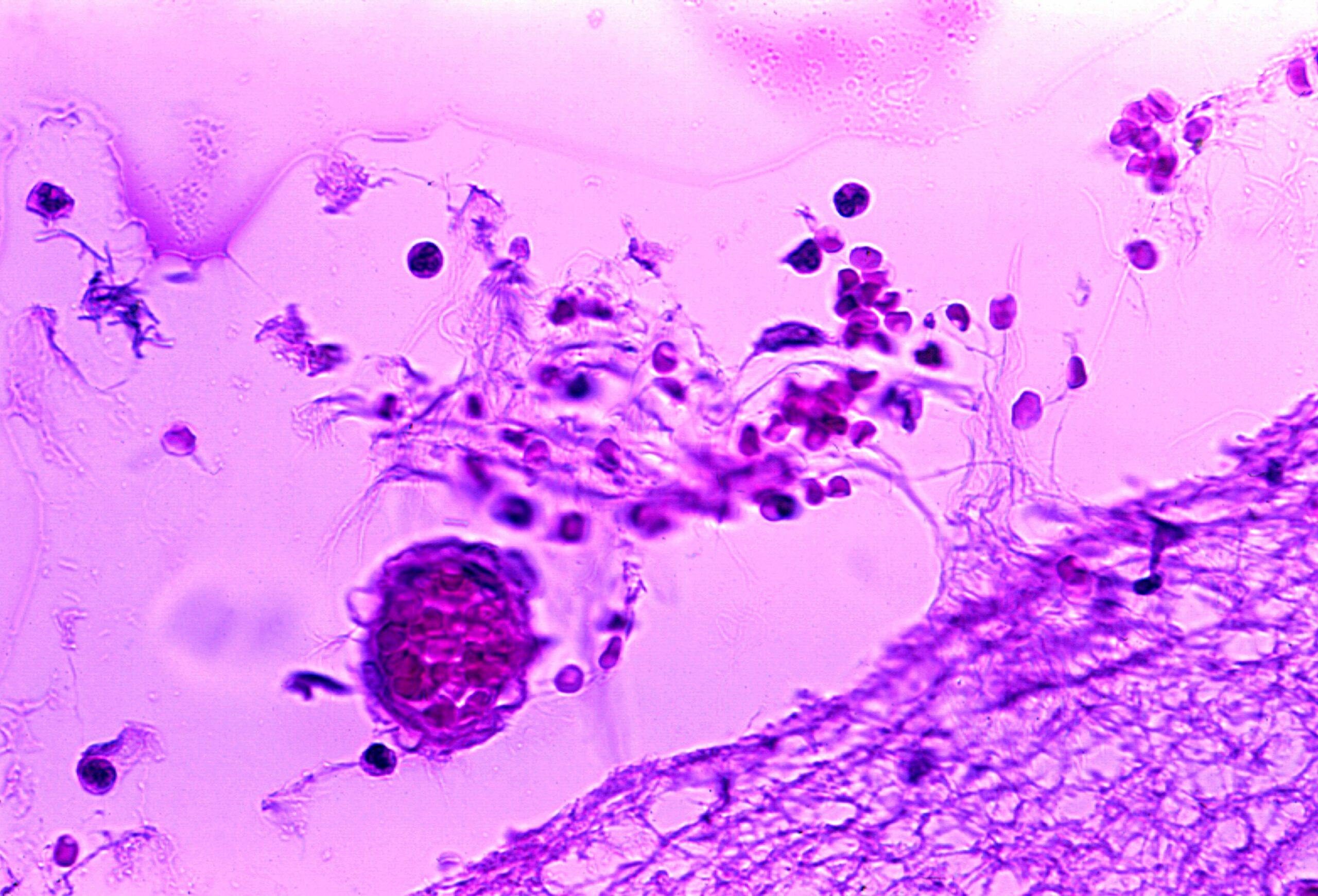
Seizures can occur when infection or inflammation irritates the brain.
Other concerning neurological symptoms include sensitivity to light, new weakness, difficulty speaking, imbalance, severe dizziness, or a sudden change in mental state.
Meningitis can sometimes overlap with or resemble encephalitis symptoms in adults, especially when confusion, seizures, or altered behavior are present. A doctor must evaluate these symptoms urgently.
Rash, Blotchy Skin, or Signs of Sepsis
A rash linked with meningitis may appear as red, purple, or dark spots. It may not fade when pressed.
Skin changes can be harder to notice on darker skin, so also look for other signs such as cold hands and feet, severe weakness, rapid breathing, confusion, or worsening illness.
A rash with fever or neurological symptoms should be treated as an emergency.
Why Meningitis Is Sometimes Mistaken for Flu, Migraine, or Viral Fever
Meningitis is often missed early because the first symptoms may be ordinary.
Fever, headache, body pain, vomiting, and tiredness are common in many infections. A person may assume it is flu, viral fever, food poisoning, COVID-like illness, sinus infection, or migraine.
The warning comes from the pattern.
A routine fever usually does not cause severe neck stiffness, confusion, seizures, difficulty waking, or a rapidly worsening severe headache. A usual migraine should not cause high fever with neck stiffness or altered awareness.
If symptoms feel unusual, severe, or are worsening faster than expected, it is safer to get evaluated.
What Causes Meningitis in Adults?
Meningitis means inflammation of the protective membranes around the brain and spinal cord.
In adults, this inflammation may be caused by infections or, less commonly, noninfectious conditions. The cause matters because treatment differs.
Bacterial Meningitis
Bacterial meningitis is less common than viral meningitis but usually more dangerous.
It can progress quickly and may require urgent hospital treatment with intravenous antibiotics. Delay in treatment can increase the risk of serious complications.
Adults with suspected bacterial meningitis should not wait for symptoms to become “classic.” Early treatment can be lifesaving.
Viral Meningitis
Viral meningitis is often less severe than bacterial meningitis.
Many people recover with supportive care, but symptoms can still be frightening and need medical evaluation. Doctors must first make sure the illness is not bacterial or another serious infection.
Never assume meningitis is viral without proper assessment.
Fungal, Tubercular, and Other Causes
Fungal meningitis is uncommon and is more likely in people with weakened immunity.
Tubercular meningitis is also important in India. It can develop more slowly than sudden bacterial meningitis, but it can still be serious and may cause headache, fever, vomiting, confusion, weakness, seizures, or prolonged illness.
Some noninfectious causes, such as inflammatory disease, cancer-related conditions, medicines, or immune reactions, can also irritate the meninges. A detailed medical evaluation helps identify the cause.
How Doctors Diagnose Meningitis
Doctors diagnose meningitis by combining symptoms, examination findings, and tests.
The evaluation may include:
- Neurological examination
- Temperature, pulse, blood pressure, and oxygen checks
- Blood tests
- Blood culture to look for infection
- Brain imaging when needed
- Lumbar puncture, also called a spinal fluid test
- Testing of cerebrospinal fluid for infection and inflammation
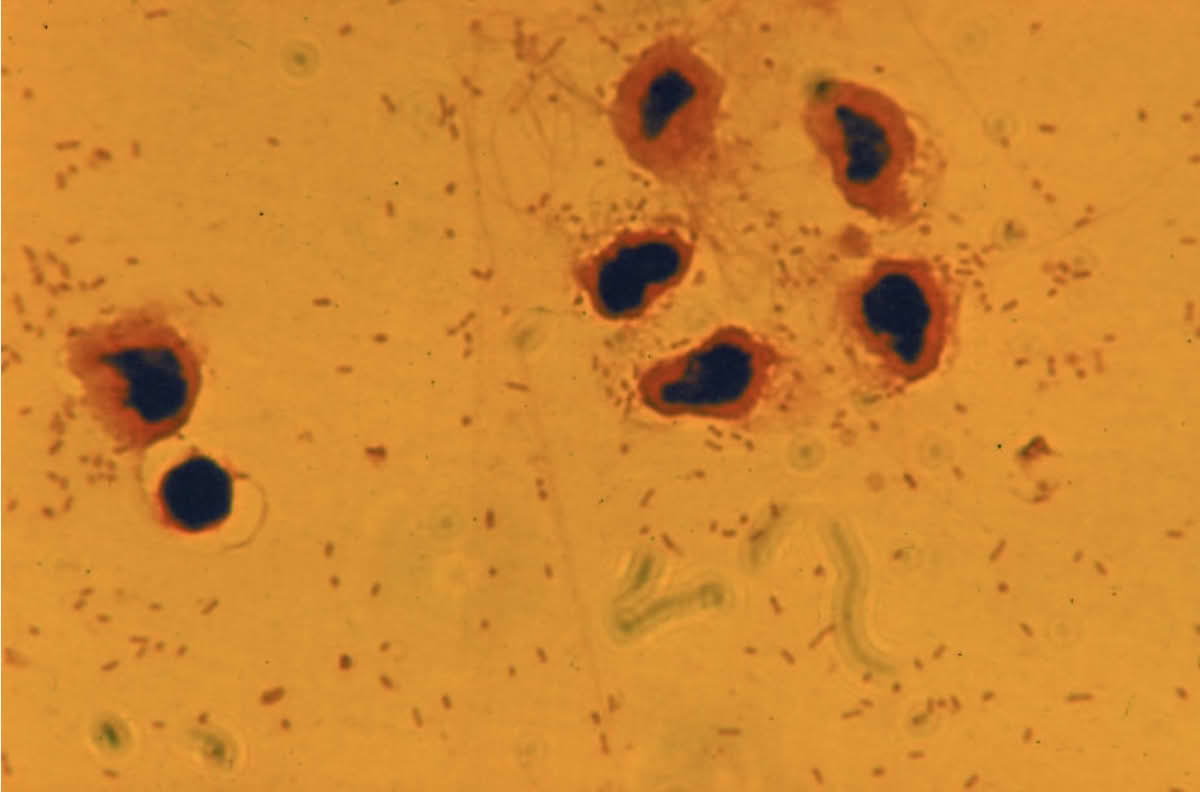
A lumbar puncture helps doctors examine the fluid around the brain and spinal cord. This can help identify whether meningitis is bacterial, viral, tubercular, fungal, or due to another cause.
In serious suspected cases, doctors may start treatment quickly while test results are pending. This is because waiting too long can be dangerous.
Treatment for Meningitis and Why Early Care Matters
Treatment depends on the cause of meningitis.
Bacterial meningitis usually needs urgent hospital care and intravenous antibiotics. Some patients may also need medicines to reduce inflammation, fluids, oxygen support, seizure treatment, or intensive monitoring.
Viral meningitis may need supportive care, rest, fluids, fever control, and monitoring. Certain viral causes may need antiviral medicines.
Tubercular meningitis requires anti-tuberculosis medicines and close follow-up. Fungal meningitis requires antifungal treatment.
The key point is simple: treatment should begin early when meningitis is suspected. Early care gives doctors the best chance to control infection, protect the brain and nerves, and reduce complications.
Can Adults Recover from Meningitis?
Yes, many adults recover from meningitis, especially when they receive timely diagnosis and treatment.
Recovery depends on the cause, severity, age, immune status, speed of treatment, and whether complications developed.
Some adults may need follow-up for:
- Headache
- Fatigue
- Memory problems
- Hearing issues
- Balance problems
- Seizures
- Weakness
- Mood or concentration changes
A slow recovery does not always mean something is permanently wrong, but persistent neurological symptoms should be reviewed by a specialist.
When to See a Neurologist for Possible Brain Infection Symptoms
Emergency care is the first priority if meningitis is suspected.
A neurologist becomes important when symptoms involve the brain, nerves, seizures, persistent headache, altered awareness, weakness, memory problems, or recovery after a serious brain infection.
You should consider neurological evaluation if there is:
- Severe headache with neurological symptoms
- Seizure during or after infection
- Confusion or behavior change
- Weakness, imbalance, or speech difficulty
- Persistent headache after treatment
- Memory or concentration problems after recovery
- Concern for meningitis, encephalitis, or another brain infection
A neurologist in Thane can help assess neurological symptoms, guide further testing when needed, and support recovery after serious infections affecting the brain or nervous system.
How to Reduce the Risk of Meningitis
Not every case of meningitis can be prevented, but some steps may reduce risk.
Helpful preventive measures include:
- Staying updated on recommended vaccines
- Washing hands regularly
- Avoiding sharing drinking glasses, bottles, utensils, toothbrushes, or lip balm
- Seeking medical advice after close contact with someone diagnosed with meningococcal meningitis
- Managing diabetes, immune problems, and other chronic conditions well
- Getting evaluated early for persistent ear, sinus, or respiratory infections when symptoms are severe or unusual
Vaccination advice depends on age, risk factors, previous immunization, travel, hostel or dormitory living, immune status, and local recommendations. Ask your doctor what applies to you.