

Migraine aura can feel frightening, especially the first time it happens.
You may suddenly see flashing lights, zigzag lines, blind spots, or shimmering shapes. Some people feel tingling in the hand or face. Others may struggle to speak clearly for a short time.
Most migraine aura symptoms are temporary. But some symptoms can look similar to a stroke, TIA, or seizure. That is why it is important to understand what migraine aura can feel like, what is typical, and when you should not wait at home.
Medically guided by Dr. Siddharth Kharkar
Trusted neurological guidance that turns complex symptoms into clear next steps. Focused on helping patients and families recognize migraine aura warning signs early so they can seek the right care without delay.
Quick Answer: What Are Migraine Aura Symptoms?
Migraine aura symptoms are temporary changes in vision, sensation, speech, or movement that can happen before or during a migraine attack. The most common aura symptoms are visual, such as flashing lights, zigzag lines, blind spots, or shimmering spots.
Aura usually develops gradually and often lasts between 5 minutes and 1 hour. Some people get aura without headache, which is sometimes called silent migraine.
However, if the symptoms are new, sudden, one-sided, last longer than an hour, or include weakness, confusion, seizure, or trouble speaking, seek urgent medical care. Do not assume it is “just migraine” if the pattern is new or unusual.
At a Glance: Migraine Aura Symptoms
Aura Type | What It May Feel or Look Like | When to Be Careful |
Visual aura | Flashing lights, zigzag lines, blind spots, shimmering spots, blurry vision | Sudden vision loss, vision loss in one eye, or first-time symptoms |
Sensory aura | Tingling, numbness, pins and needles in the hand, arm, face, or tongue | One-sided numbness that is sudden, severe, or new |
Speech aura | Trouble finding words, slurred speech, difficulty understanding speech | Any new speech difficulty should be treated seriously |
Movement aura | Weakness in one arm, leg, or one side of the face | Sudden weakness can be a stroke warning sign |
Aura without headache | Aura symptoms occur but no head pain follows | First-time aura without headache should be checked |
What Is a Migraine Aura?
A migraine aura is a temporary neurological symptom that happens because of changes in brain activity during a migraine attack.
In simple words, the brain becomes temporarily overactive in certain areas, then that activity spreads. The symptoms depend on which part of the brain is affected.
If the vision area is involved, you may see lights or patterns.
If the sensory area is involved, you may feel tingling or numbness.
If the language area is involved, you may have trouble speaking.
Migraine aura usually comes on gradually. It may build over several minutes, move from one symptom to another, and then fade. This gradual pattern is one clue doctors use when deciding whether symptoms fit migraine aura or something more urgent.
Still, migraine aura should never be guessed at casually, especially if the symptoms are new.
Common Migraine Aura Symptoms
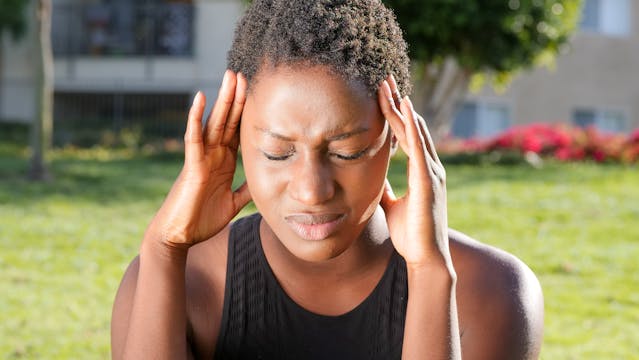
Migraine aura does not look the same for everyone. Some people only get visual symptoms. Some get tingling. Some get speech symptoms. A few get weakness or dizziness.
The same person may also have slightly different aura symptoms during different migraine attacks.
Visual Aura Symptoms
Visual aura symptoms are the most common type.
They may include:
- Flashing lights
- Zigzag lines
- Shimmering spots
- Sparkles or stars
- Blind spots
- Blurry vision
- Temporary loss of part of the visual field
- Wavy or distorted vision
Many people describe visual aura as looking like a bright, moving pattern. It may start small and slowly spread across the field of vision.
A key point: visual aura often feels like it is happening in one eye, but many migraine auras actually come from the brain’s visual processing area. If you are unsure whether the vision change is in one eye or both eyes, cover one eye at a time. Sudden vision loss in one eye needs urgent medical attention.
Sensory Aura Symptoms
Sensory aura affects feeling in the body.
It may feel like:
- Tingling
- Numbness
- Pins and needles
- A crawling sensation
- Strange sensation in the hand, face, tongue, or arm
The tingling may start in one place and slowly move. For example, it may begin in the fingers, travel up the arm, and reach the face.
This spreading pattern can happen in migraine aura. But sudden numbness on one side of the body can also happen in TIA or stroke. If this is new, severe, or different from your usual migraine pattern, get urgent help.
Speech and Language Symptoms
Some people with migraine aura have trouble with words.
This may include:
- Trouble finding the right word
- Slurred speech
- Difficulty forming a sentence
- Trouble understanding what others are saying
- Feeling like words are “stuck”
This can be very scary because speech problems are also a warning sign of stroke or TIA.
If you have never had this symptom before, or if it starts suddenly, do not wait to see if it passes. Get urgent medical care.
Less Common Movement Symptoms
Some people experience weakness during migraine aura. This is less common and should be taken seriously.
Weakness may affect:
- One arm
- One leg
- One side of the face
- One side of the body
Because weakness can also be a stroke symptom, urgent evaluation is important, especially if it is new or sudden.
This is also where the safety rules from Warning Signs That a Headache Needs Urgent Medical Attention matter. A severe headache with weakness, confusion, seizure, vision loss, or speech difficulty should not be ignored.
How Long Does Migraine Aura Last?
Migraine aura usually lasts between 5 and 60 minutes.
A typical aura often:
- Starts gradually
- Builds over a few minutes
- May spread from one symptom to another
- Improves fully
- Is followed by headache, nausea, or light sensitivity in many people
Some people get aura during the headache. Some get aura before the headache. Some get aura without any headache at all.
Aura symptoms lasting longer than one hour should be checked. Symptoms that are sudden, severe, or different from your usual pattern should be treated urgently.
Can Migraine Aura Happen Without Headache?
Yes. Migraine aura can happen without headache.
This is often called silent migraine or migraine aura without headache.
A person may see flashing lights or zigzag lines, feel tingling, or have speech symptoms, but no head pain follows. This can be confusing because most people expect migraine to always include a headache.
Aura without headache is still a migraine-related event, but it should not be self-diagnosed the first time. This is especially true in older adults or anyone with risk factors for stroke.
If aura-like symptoms happen for the first time without headache, it is safer to get a medical evaluation.
Migraine Aura vs Stroke, TIA, or Seizure: When to Be Careful
Migraine aura can sometimes look like stroke, TIA, or seizure. That is why this part is important.
Migraine aura often develops gradually. Symptoms may move or spread over several minutes. For example, visual symptoms may appear first, then tingling may follow.
Stroke or TIA symptoms often come on suddenly. They may cause loss of function, such as sudden weakness, sudden speech trouble, sudden vision loss, or sudden numbness on one side.
But real life is not always textbook. Some migraine symptoms can look serious. Some stroke symptoms can be subtle.
Seek urgent medical care if you notice:
- Sudden weakness in the face, arm, or leg
- Trouble speaking or understanding speech
- Sudden confusion
- Sudden vision loss
- New seizure or fainting
- New aura after age 40 or 50
- Aura lasting longer than one hour
- The worst headache of your life
- Headache after head injury
- Fever, stiff neck, or drowsiness with headache
- Symptoms that are completely new or different from your usual migraine
A migraine diagnosis should be made carefully, especially when symptoms overlap with TIA, seizure, or stroke.
Why Migraine Aura Happens
Migraine aura is linked to temporary changes in brain activity. Doctors often describe this as a wave of altered electrical activity moving across the brain.
This does not mean the brain is permanently damaged during a typical aura. In many people, symptoms pass fully.
But the reason one person gets aura and another person does not can vary. Genetics, migraine biology, hormones, sleep, stress, and environmental triggers may all play a role.
Common Migraine Aura Triggers
Migraine triggers are not the same for everyone. A trigger for one person may not affect another.
Common triggers may include:
- Lack of sleep
- Irregular sleep timing
- Skipping meals
- Stress
- Bright or flickering lights
- Hormonal changes
- Dehydration
- Alcohol
- Too much or too little caffeine
- Strong smells
- Weather changes
- Certain foods in some people
A headache diary can help. Write down when the aura happened, what symptoms appeared, how long they lasted, what you ate, how you slept, stress levels, and whether head pain followed.
Over time, patterns may become clearer.
How Doctors Diagnose Migraine Aura
There is no single blood test that proves migraine aura.
A neurologist usually diagnoses it by understanding the full pattern of symptoms.
You may be asked:
- What symptom came first?
- Did it start suddenly or gradually?
- How long did it last?
- Did it fully go away?
- Was there headache afterward?
- Was there nausea, light sensitivity, or sound sensitivity?
- Did you have weakness, speech difficulty, or vision loss?
- Have you had the same pattern before?
- Do you have stroke risk factors?
- Is there a family history of migraine?
In some cases, tests may be needed to rule out other causes. These may include brain imaging, blood tests, eye evaluation, or other neurological tests depending on the symptoms.
Diagnosis matters because migraine aura, stroke, TIA, seizure, retinal problems, and other conditions may need very different care.
Some people also confuse migraine with other headache types. If your main issue is head pain without aura, it may help to understand the difference between migraine vs tension headache so the right treatment path is chosen.
Treatment and Prevention Options
Treatment depends on how often your migraines happen, how severe they are, your age, other health conditions, and whether aura symptoms are typical or unusual.
During an aura, these steps may help:
- Stop what you are doing if possible
- Sit or lie down safely
- Move to a dark, quiet room
- Avoid driving during visual or speech symptoms
- Drink water if you can
- Take doctor-approved migraine medicine if it has been prescribed for you
Some medicines work best when taken early in a migraine attack. But not every medicine is safe for every person. For example, people with certain stroke or heart risk factors may need special care when choosing migraine medicines.
Preventive treatment may be considered if migraine attacks are frequent, disabling, long-lasting, or affecting daily life.
Prevention may include:
- Regular sleep
- Regular meals
- Hydration
- Stress management
- Avoiding known triggers
- Preventive medicines
- Migraine-specific treatments
- Follow-up with a neurologist
Avoid taking painkillers too often. Overuse of headache medicines can sometimes make headaches more frequent and harder to treat.
When Should You See a Neurologist?
You should consider seeing a neurologist if:
- Aura symptoms are new
- Aura symptoms are changing
- Aura lasts longer than usual
- You get frequent migraines
- You have aura without headache for the first time
- You have speech symptoms, weakness, or confusion
- Migraine is affecting work, study, sleep, or family life
- Over-the-counter medicines are not helping
- You are using painkillers often
- You are unsure whether the symptoms are migraine, TIA, seizure, or stroke
The goal is not only to stop pain. The goal is to understand the pattern, reduce fear, prevent attacks where possible, and make sure a serious condition is not being missed.
For patients who need a structured plan, migraine treatment in Thane can include diagnosis, trigger review, acute treatment, prevention planning, and follow-up based on symptom pattern.