
Your morning medicine helps. You can get dressed, make breakfast, and move around more easily. But well before your next dose, the stiffness or shaking comes back. If your day keeps shrinking into short stretches when your medicine is working, it may be time to ask about DBS for Parkinson’s.
Parkinson’s care with Dr. Siddharth Kharkar
Dr. Kharkar is a consultant neurologist who specializes in Parkinson’s disease. This guide helps people with Parkinson’s and their families know when to bring up DBS and what to expect from an evaluation.
Quick Answer
Ask your neurologist about deep brain stimulation if wearing-off or involuntary movements still disrupt daily life despite adjustments to your Parkinson’s medicine. It’s also worth asking if a tremor makes everyday tasks difficult and hasn’t improved with an appropriate medication trial.
You don’t have to wait until Parkinson’s is severe to start the conversation. An evaluation helps you find out whether DBS fits your symptoms and goals. It doesn’t commit you to surgery.
At a Glance
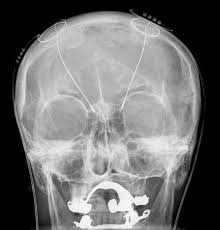
- What it is. Deep brain stimulation, or DBS, is surgery to place thin wires in specific areas of the brain. A small implanted device sends electrical pulses through the wires.
- What it can help. For some people, it reduces tremor, stiffness, slowness, involuntary movements, or the time when symptoms return between doses.
- What it can’t do. DBS does not cure Parkinson’s or stop it from progressing. It is not a reliable fix for balance problems.
- What comes next. A specialist team looks at your symptoms, how they respond to medicine, your overall health, and what you most want to do more easily.
Signs It’s Time to Ask About DBS for Parkinson’s
Your Medicine Helps, but It Wears Off Too Soon
If levodopa helps you move more freely but the stiffness, slowness, or tremor returns before the next dose, that’s called wearing-off. The time when symptoms return is often called OFF time.
What matters is how much those stretches affect your day. Maybe you can walk to the shop after a dose but struggle to get home when it wears off. If this keeps happening even after your neurologist has adjusted your treatment, bring it up at your next visit. The fact that levodopa still helps is useful information, not a reason to rule out DBS.
Involuntary Movements Disrupt Your Day
Dyskinesia means movements you aren’t trying to make. You might sway, wriggle, or make twisting movements even when the medicine is helping your stiffness. This can look different from the shaking you notice when a dose wears off.
Tell your neurologist if these movements get in the way of eating, working, or sitting comfortably. Note when they start in relation to your doses. That detail helps your doctor tell whether you’re dealing with OFF time, dyskinesia, or both.
Tremor Still Gets in the Way Despite Treatment
If tremor makes it hard to drink from a cup, write, or use your phone despite an appropriate medication trial, a DBS evaluation may still make sense. Tremor is an important exception. Even when it doesn’t improve much with levodopa, it may respond to DBS. Your neurologist can confirm what’s causing the tremor and whether DBS is a reasonable option.
What DBS Can and Can’t Help
Start with one question. What do you want to be able to do more easily?
Maybe you’d like to eat without a disabling tremor or have fewer stretches of severe stiffness between doses. Those are useful goals to discuss. If your biggest concern is repeated falls or worsening memory, the discussion will be different. The value of DBS depends on which symptoms are getting in your way.
Walking, Balance, and Other Symptoms
With Parkinson’s freezing of gait, it can feel as though your feet are stuck to the floor. Tell your neurologist whether that happens when your medicine wears off or even when it’s working well. Freezing that improves with levodopa may improve in some people after DBS, but it can also stay the same or worsen. Freezing and poor balance are not usually reasons to choose DBS on their own.
DBS isn’t a treatment for memory loss or constipation in Parkinson’s disease. It’s also not a reliable way to improve speech or swallowing. These symptoms deserve their own assessment and care plan.
Sudden symptoms are different. If you develop sudden facial drooping, weakness on one side, or trouble speaking, call local emergency services immediately, even if the symptoms go away. Don’t assume it’s Parkinson’s or wait for a DBS visit. A first seizure, a seizure lasting more than five minutes, or repeated seizures without recovery also needs emergency help.
What Happens at a DBS Evaluation?
The evaluation starts with a review of your Parkinson’s disease treatment. The neurologist will want to know which medicines you take, when they help, when symptoms come back, and what side effects you notice.
The team may check your movement before and after a dose of levodopa under supervision. That helps them see which symptoms are most likely to respond to DBS. They may also arrange tests of memory and thinking, an MRI, and a visit with a neurosurgeon. Don’t skip or change your medicines for testing unless the team gives you specific instructions.
How the Team Weighs Benefits and Risks
The team considers your memory, mood, overall health, and ability to attend follow-up visits. Significant memory or thinking problems, poorly controlled mood symptoms, or other health conditions can change whether surgery is a reasonable choice. The team may recommend treating another problem first or exploring options other than DBS.
Surgery carries risks such as infection, bleeding in the brain, and stroke. The stimulation itself can affect speech, balance, or mood. Some side effects improve when the team adjusts the settings. After surgery, expect visits to program the device and fine-tune treatment. Ask who will handle those visits and where they’ll take place.