
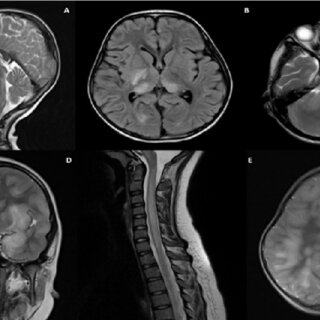
Neurological sleep disorders can make it difficult to fall asleep, stay asleep, or remain awake during the day. Some people experience uncontrollable leg movements, while others act out dreams or have sudden episodes of sleepiness.
You may sleep for eight hours and still wake up exhausted. Or your family may notice unusual movements and sounds during the night that you cannot remember.
Not every sleep problem starts in the brain. However, certain sleep disorders involve the nervous system or occur alongside neurological conditions such as Parkinson’s disease, epilepsy, and stroke.
Understanding these differences can help you recognize symptoms, avoid unnecessary worry, and know when to seek medical advice.
Medically guided by Dr. Siddharth Kharkar
Trusted neurological guidance that turns complex sleep symptoms into clear next steps. Focused on helping patients and families recognize sleep-related neurological warning signs, understand possible causes, and seek appropriate evaluation without unnecessary delay.
Quick Answer: What Are the Common Neurological Sleep Disorders?
Common neurological sleep disorders include restless legs syndrome, narcolepsy, REM sleep behavior disorder, and certain sleep-related movement and circadian rhythm disorders. Neurologists also evaluate sleep problems associated with epilepsy, Parkinson’s disease, and other brain conditions. Insomnia and sleep apnea are common sleep disorders that may require neurological evaluation in selected patients.
These conditions can cause poor sleep, excessive daytime sleepiness, unusual nighttime movements, and difficulty functioning during the day.
At a Glance: Common Neurological Sleep Disorders and Their Symptoms
Sleep disorder | Common symptoms | What makes it distinctive |
Insomnia | Difficulty falling or staying asleep | Persistent sleep problems despite adequate opportunity to sleep |
Restless legs syndrome | Uncomfortable leg sensations and an urge to move | Usually worse during rest and in the evening |
Narcolepsy | Severe daytime sleepiness and sleep attacks | Difficulty regulating sleep and wakefulness |
REM sleep behavior disorder | Shouting, kicking, or acting out dreams | Normal muscle relaxation during dreaming is reduced |
Sleep apnea | Snoring, breathing pauses, disturbed sleep | Repeated breathing interruptions during sleep |
Parasomnias | Sleepwalking, night terrors, unusual behaviors | Events occur during particular stages of sleep |
Circadian rhythm disorders | Sleeping and waking at unusual times | The internal body clock is out of step with the required schedule |
A symptom can have several possible causes. This table helps you recognize patterns, but it cannot confirm a diagnosis.
What Are Neurological Sleep Disorders?
Neurological sleep disorders are conditions in which problems involving brain function, nerve signaling, or sleep regulation affect normal sleeping and waking.
Your brain controls the transition between wakefulness, light sleep, deep sleep, and rapid eye movement (REM) sleep. Different networks help regulate alertness, muscle activity, breathing, and the timing of sleep.
When these systems do not work as expected, sleep problems may develop.
For example, narcolepsy affects the brain’s ability to regulate wakefulness. Restless legs syndrome is a neurological movement-related condition that often disrupts sleep.
However, some common sleep conditions have other causes. Obstructive sleep apnea usually develops when the upper airway repeatedly narrows or closes during sleep.
The distinction matters because different conditions need different investigations and treatments.
According to the Cleveland Clinic’s medical overview, more than 80 different sleep disorders are recognized. These include disorders affecting sleep duration, breathing, movement, behavior, and sleep timing.
What Are the Most Common Types of Neurological Sleep Disorders?
Several conditions can affect the nervous system’s control of sleep. Each produces a different pattern of symptoms.
Insomnia: Difficulty Falling or Staying Asleep
Insomnia means having difficulty falling asleep, staying asleep, or returning to sleep after waking too early.
Some people spend hours trying to fall asleep. Others wake repeatedly and feel tired, irritable, or unable to concentrate the next day.
Occasional sleepless nights are common. However, insomnia becomes more concerning when it continues and interferes with daily life.
Common symptoms include:
- Taking a long time to fall asleep.
- Waking frequently during the night.
- Waking much earlier than intended.
- Feeling tired despite spending enough time in bed.
- Difficulty concentrating or remembering information.
Insomnia is not always neurological. Stress, anxiety, pain, medications, irregular sleep schedules, and other medical conditions may contribute.
However, persistent insomnia may also occur alongside Parkinson’s disease, restless legs syndrome, or other neurological disorders.
For adults with chronic insomnia, cognitive behavioral therapy for insomnia (CBT-I) is generally recommended as the first treatment.
The American College of Physicians recommends CBT-I as initial treatment, rather than automatically relying on sleeping tablets.
Restless Legs Syndrome: An Urge to Move the Legs
Restless legs syndrome (RLS) is a neurological condition that creates an uncomfortable urge to move the legs.
Patients often describe crawling, tingling, pulling, or strange sensations deep inside their legs. These feelings usually become worse when sitting or lying still.
Walking, stretching, or moving the legs may bring temporary relief.
Typical symptoms include:
- An uncomfortable urge to move the legs.
- Symptoms that begin or worsen during rest.
- Temporary relief through movement.
- Symptoms that are worse in the evening or at night.
- Difficulty falling asleep because the legs feel restless.
Restless legs syndrome is sometimes mistaken for ordinary muscle discomfort.
However, its characteristic pattern helps distinguish it from leg cramps, arthritis, and other causes of discomfort.
Low iron stores can contribute to symptoms in some patients. Certain medications and untreated sleep apnea may also make RLS worse.
The American Academy of Sleep Medicine emphasizes checking iron status in patients with clinically significant restless legs syndrome.
Depending on the findings, restless legs syndrome treatment may involve correcting iron deficiency, reducing triggers, and using selected medications.
Do not begin iron supplements or prescription medicines without medical advice.
Narcolepsy: Excessive Daytime Sleepiness and Sleep Attacks
Narcolepsy is a neurological sleep disorder that affects the brain’s ability to control sleep and wakefulness.
A person with narcolepsy may experience overwhelming sleepiness during the day, even after apparently adequate nighttime sleep.
Some people fall asleep unexpectedly during conversations, work, or routine activities.
Common symptoms include:
- Persistent excessive daytime sleepiness.
- Sudden episodes of sleep.
- Disturbed nighttime sleep.
- Sleep paralysis when falling asleep or waking.
- Vivid dream-like experiences around sleep.
Some patients also experience cataplexy. This is a sudden loss of muscle strength triggered by emotions such as laughter or excitement.
Cataplexy is particularly associated with type 1 narcolepsy.
According to the National Heart, Lung, and Blood Institute, narcolepsy involves disrupted sleep-wake regulation. In type 1 narcolepsy, low levels of the brain chemical hypocretin, also called orexin, are often involved.
Not everyone who feels sleepy during the day has narcolepsy.
Insufficient sleep, sleep apnea, medication effects, and several medical conditions can cause similar complaints.
If you experience uncontrollable sleep episodes, especially while driving or working, seek medical evaluation. Avoid driving until your sleepiness has been properly assessed and controlled.
REM Sleep Behavior Disorder: Acting Out Dreams
REM sleep behavior disorder occurs when a person physically acts out dreams during REM sleep.
Normally, most voluntary muscles become temporarily relaxed during this sleep stage. This prevents people from carrying out their dream movements.
In REM sleep behavior disorder, that protective muscle relaxation is reduced or absent.
A patient may shout, punch, kick, jump, or make sudden movements while dreaming.
Warning signs include:
- Shouting or talking loudly during dreams.
- Sudden arm or leg movements.
- Punching or kicking during sleep.
- Falling out of bed.
- Injuring oneself or a sleeping partner.
- Remembering a vivid dream after waking.
These movements may be mistaken for ordinary restless sleep or nightmares.
However, repeated dream enactment, particularly when movements are forceful, deserves medical evaluation.
REM sleep behavior disorder can occur alongside neurological conditions such as Parkinson’s disease and dementia with Lewy bodies.
This does not mean everyone with the disorder has Parkinson’s disease or will necessarily develop it.
The Mayo Clinic explains the association and recommends follow-up when REM sleep behavior disorder is suspected.
Making the sleeping environment safer is important. Removing sharp objects, moving furniture away from the bed, and preventing falls can reduce injury risk.
Sleep Apnea: Breathing Interruptions During Sleep
Sleep apnea causes repeated breathing interruptions while a person sleeps.
These interruptions can disturb sleep and reduce oxygen levels. Patients may wake feeling exhausted even after spending many hours in bed.
There are two important forms.
Obstructive sleep apnea occurs when the upper airway repeatedly becomes blocked or narrowed.
Central sleep apnea occurs when the brain’s breathing control signals become temporarily disrupted.
Central sleep apnea may be associated with certain neurological or medical conditions. Obstructive sleep apnea is much more commonly related to upper-airway obstruction.
Symptoms may include:
- Loud or persistent snoring.
- Breathing pauses noticed by a family member.
- Gasping or choking during sleep.
- Morning headaches.
- Excessive daytime sleepiness.
- Problems with attention or memory.
Snoring alone does not confirm sleep apnea, and some patients with sleep apnea do not report loud snoring.
A sleep study may be required to identify the type and severity.
Treatment can include continuous positive airway pressure (CPAP), weight management when appropriate, oral appliances, or other interventions based on the diagnosis.
Untreated sleep apnea can also contribute to cardiovascular problems, making appropriate assessment important.
Parasomnias: Sleepwalking and Other Unusual Sleep Behaviors
Parasomnias are sleep disorders involving unusual behaviors, movements, emotions, or experiences during sleep.
They include sleepwalking, sleep terrors, and certain other nighttime behaviors.
A person may appear awake, walk around, speak, or show fear while remaining partly asleep.
Common examples include:
- Sleepwalking.
- Sleep terrors.
- Confused behavior after partial awakening.
- Unusual movements or vocal sounds during sleep.
Some parasomnias occur during non-REM sleep, while REM sleep behavior disorder occurs during REM sleep.
Not every nighttime movement is a parasomnia.
Certain seizures can also cause unusual movements, vocalizations, or brief episodes of disturbed awareness during sleep.
An important clue is whether the events are highly similar each time, occur repeatedly during one night, or involve sudden unusual movements.
These patterns may prompt a neurologist to consider sleep-related epilepsy.
Circadian Rhythm Sleep-Wake Disorders: A Disrupted Body Clock
Your body has an internal clock that helps determine when you feel sleepy and when you feel alert.
Circadian rhythm sleep-wake disorders occur when this internal timing does not match the sleep schedule you need or expect.
For example, someone may feel naturally sleepy very late at night and struggle to wake for work or school.
Others become sleepy unusually early in the evening and wake well before dawn.
Common problems include:
- Difficulty falling asleep at conventional times.
- Difficulty waking at the required time.
- Daytime sleepiness despite adequate sleep opportunity.
- Sleep patterns that repeatedly shift or remain out of sync.
Shift work, irregular schedules, and certain medical or neurological conditions can contribute.
Treatment may involve a carefully planned sleep schedule, timed light exposure, and selected other treatments.
Because timing is central to these disorders, sleep diaries and activity monitoring can be especially helpful.
Can Neurological Conditions Cause Sleep Disorders?
Yes. Some neurological diseases affect the brain networks that regulate sleep, movement, breathing, and alertness.
Sleep symptoms may also develop because of pain, medication effects, limited movement, or other problems associated with a neurological condition.
Parkinson’s Disease and Sleep Changes
Sleep problems are common among people living with Parkinson’s disease.
Patients may experience insomnia, vivid dreams, restless legs symptoms, excessive daytime sleepiness, or REM sleep behavior disorder.
Nighttime stiffness, tremors, and difficulty turning in bed can further interrupt sleep.
Some Parkinson’s medications may also affect sleep or daytime alertness.
The important point is that these symptoms may have different causes. Treatment should address the individual problem rather than assuming every sleep disturbance is caused directly by Parkinson’s disease.
Epilepsy and Seizures During Sleep
Some people with epilepsy experience seizures mainly or exclusively during sleep.
These seizures may cause sudden movements, stiffening, unusual sounds, or brief episodes of disturbed awareness.
Families sometimes mistake these events for nightmares or sleepwalking.
Possible clues include:
- Repeated, similar nighttime episodes.
- Sudden stiffening or jerking.
- Unexplained injuries.
- Tongue biting.
- Confusion after an event.
- Unusual daytime tiredness.
However, these symptoms are not specific to epilepsy. A medical history, examination, and sometimes EEG or video-EEG monitoring may be needed.
Sleep deprivation can also increase seizure risk in susceptible individuals.
Patients with epilepsy should maintain consistent sleep patterns and follow their prescribed treatment.
Stroke, Brain Inflammation and Changes in Sleep
Stroke and other brain conditions can affect sleep-wake regulation.
Some patients develop excessive daytime sleepiness, disturbed nighttime sleep, or changes in sleep patterns after a neurological injury.
Sleep disturbances can also occur with infections or inflammation involving the brain.
For example, the neurological symptoms of encephalitis may include altered sleep, confusion, behavioral changes, or seizures.
However, a sleep disturbance alone does not mean someone has encephalitis or stroke.
Sudden weakness, speech difficulty, severe confusion, or a new seizure must be evaluated urgently rather than attributed to poor sleep.
Which Sleep Disorder Symptoms Need Medical Attention?
The need for medical care depends on the type of symptom, how often it occurs, and whether it creates a safety risk.
Signs That Need a Routine Neurology Assessment
Consider a neurological or sleep medicine evaluation when:
- Daytime sleepiness repeatedly affects work or daily activities.
- You experience sudden sleep episodes.
- Your legs regularly feel uncomfortable at night.
- You repeatedly act out dreams.
- Nighttime movements cause injury or concern.
- Sleep problems occur alongside Parkinson’s disease or epilepsy.
- You experience unexplained episodes of altered awareness during sleep.
- Sleep difficulties persist despite reasonable changes in routine.
If possible, ask a family member to describe what they have witnessed during your sleep.
Their observations may help identify patterns that you cannot remember.
Symptoms That Require Emergency Care
Most chronic sleep disorders are not medical emergencies.
However, some symptoms occurring during sleep or after waking may signal a serious neurological problem.
Seek emergency medical care immediately for:
- Sudden weakness or numbness on one side of the body.
- New facial drooping or difficulty speaking.
- Sudden severe confusion or loss of consciousness.
- A first-ever seizure.
- A seizure lasting five minutes or longer, or repeated seizures without recovery.
- Severe breathing difficulty or unresponsiveness.
- Fever and severe headache accompanied by confusion or a seizure.
Sudden stroke-like symptoms require emergency assessment even if they disappear. Temporary symptoms can represent a transient ischemic attack (TIA).
These symptoms should not be managed by arranging a routine outpatient appointment.
If someone is having a seizure, protect them from injury, turn them onto their side when safe, and do not put anything into their mouth.
How Are Neurological Sleep Disorders Diagnosed?
A neurologist or sleep medicine specialist begins by understanding your symptoms rather than ordering every available test.
The goal is to determine whether the difficulty involves sleep timing, breathing, movement, wakefulness, or another neurological problem.
Medical History, Sleep Diary and Neurological Examination
Your doctor may ask:
- When did the symptoms begin?
- How many hours do you sleep?
- Do you snore or stop breathing during sleep?
- Do you experience uncomfortable leg sensations?
- Has anyone noticed unusual nighttime movements?
- Do you fall asleep unexpectedly during the day?
- Do you take medications that may affect sleep?
- Do you have epilepsy, Parkinson’s disease, or another medical condition?
A sleep diary can help reveal patterns.
You may be asked to record bedtime, waking time, daytime naps, and periods of unusual sleepiness.
A neurological examination may be useful if the history suggests a disorder involving brain or nerve function.
Polysomnography, EEG and Other Sleep Tests
Different symptoms require different investigations.
Polysomnography
An overnight sleep study records information such as brain waves, breathing, oxygen levels, heart rate, eye movements, and muscle activity.
It can help diagnose sleep apnea, REM sleep behavior disorder, and certain movement-related sleep disorders.
Electroencephalogram (EEG)
An EEG records electrical activity in the brain.
It may be helpful when nighttime episodes raise concern about seizures. Sometimes prolonged video-EEG or combined sleep monitoring is required.
Multiple Sleep Latency Test (MSLT)
This test measures how quickly a person falls asleep during scheduled daytime naps.
It is often performed after an overnight sleep study when narcolepsy or certain other causes of excessive daytime sleepiness are suspected.
Blood tests
Selected patients may need tests to check iron status, thyroid function, or other possible contributing conditions.
For example, iron studies are important in clinically significant restless legs syndrome.
According to the NIH’s guidance on sleep testing, sleep studies can help evaluate breathing disorders, sleep-related seizures, movement disorders, and conditions causing severe daytime sleepiness.
Not every person with poor sleep needs an overnight sleep study. The most appropriate investigation depends on the clinical findings.
How Are Neurological Sleep Disorders Treated?
Treatment depends on the specific disorder, symptom severity, underlying causes, and other medical conditions.
There is no single treatment that works for every neurological sleep problem.
The first step is identifying the cause rather than treating all symptoms with sleeping tablets.
Lifestyle Changes and Behavioral Treatments
Certain habits can support healthier sleep:
- Maintain consistent sleeping and waking times.
- Reduce caffeine later in the day.
- Avoid excessive alcohol.
- Limit stimulating activities close to bedtime.
- Keep the sleeping environment comfortable.
- Exercise regularly at suitable times.
- Review medications that may affect sleep with your doctor.
These changes can be helpful, but they are not substitutes for treatment of conditions such as narcolepsy, significant sleep apnea, or epilepsy.
For chronic insomnia, CBT-I helps patients change behaviors and thought patterns that maintain sleep difficulties.
For circadian rhythm disorders, treatment may focus on adjusting sleep timing and light exposure.
Disorder-Specific Medications and Devices
Treatment also depends on the diagnosis.
Condition | Possible treatment approach |
Chronic insomnia | CBT-I; selected medications when appropriate |
Restless legs syndrome | Review triggers, iron assessment and correction when indicated, selected medications |
Narcolepsy | Wakefulness-promoting medicines and other condition-specific treatments |
REM sleep behavior disorder | Bedroom safety measures and selected medications |
Obstructive sleep apnea | CPAP, appropriate lifestyle measures, oral appliances or other treatments |
Sleep-related epilepsy | Anti-seizure treatment based on neurological evaluation |
Circadian rhythm disorders | Timed light exposure, sleep scheduling and selected therapies |
These options are not interchangeable.
For example, a medicine that helps one sleep disorder may worsen another or interact with existing treatment.
The American Academy of Sleep Medicine’s restless legs syndrome guidance also emphasizes evaluating iron levels and aggravating factors before selecting treatment.
Patients should not stop prescribed neurological medicines, start sleeping tablets, or change medication doses without consulting their treating clinician.
When Should You See a Neurologist for Sleep Problems?
Not everyone with insomnia or snoring needs a neurologist.
A primary care doctor or sleep medicine specialist can assess many common sleep complaints. A neurologist becomes particularly helpful when symptoms suggest abnormal brain activity, unusual movements, excessive sleepiness, or an existing neurological condition.
Consider a neurology consultation if you:
- Experience repeated episodes resembling nighttime seizures.
- Act out dreams or injure yourself while sleeping.
- Have sudden, uncontrollable sleep episodes.
- Develop sleep problems alongside Parkinson’s disease or epilepsy.
- Have unusual nighttime movements that remain unexplained.
- Continue to experience significant symptoms despite initial treatment.
During an assessment, the doctor can help determine whether the symptoms suggest a neurological disorder, another sleep condition, or a medical problem outside neurology.
For patients with persistent or complicated symptoms, an individualized sleep disorder assessment and treatment plan can help identify the underlying issue and appropriate next steps.
You do not need to know your diagnosis before seeking help. A clear description of your symptoms is a useful starting point.