
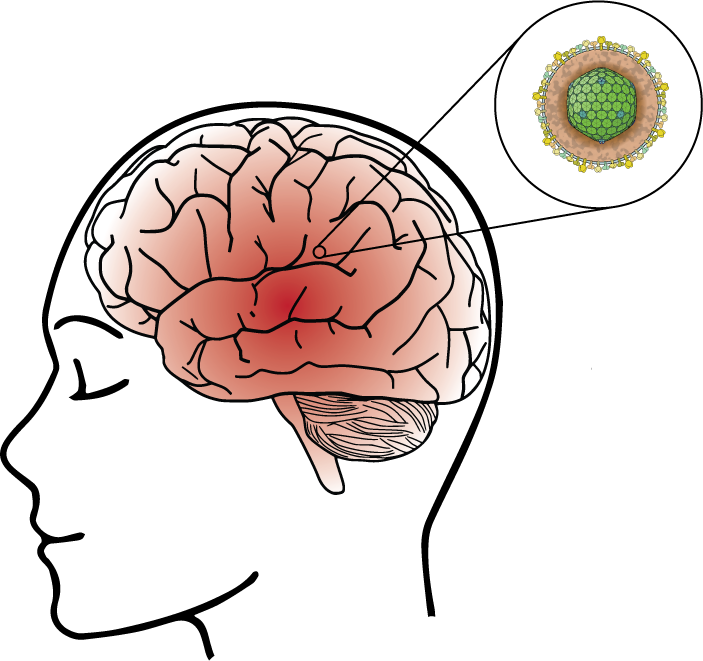
Encephalitis symptoms in adults can begin with something that feels almost ordinary, such as fever, headache, body aches, or unusual tiredness. The problem is that encephalitis is not an ordinary illness. It is inflammation of the brain, and in some adults it can progress quickly into confusion, seizures, personality change, weakness, speech difficulty, or reduced consciousness.
Because the brain is involved, even symptoms that seem vague at first should not be brushed aside when they are followed by neurological changes. Early recognition matters. Prompt medical evaluation can make a real difference in diagnosis, treatment, and recovery.
Medically guided by Dr. Siddharth Kharkar
Trusted neurological guidance that turns complex symptoms into clear next steps. Focused on helping patients and families recognize encephalitis warning signs early so they can seek the right care without delay.
Quick Answer: What Are the Symptoms of Encephalitis in Adults?
Encephalitis symptoms in adults often begin with fever, headache, nausea, body aches, or fatigue, but they can quickly progress to more serious neurological symptoms. Warning signs include confusion, unusual behavior, memory problems, seizures, weakness, speech difficulty, hallucinations, and loss of consciousness.
If an adult develops fever or headache along with confusion, seizures, severe drowsiness, weakness, or trouble speaking, it should be treated as a medical emergency. Encephalitis needs urgent hospital evaluation.
At a Glance: Early and Serious Encephalitis Symptoms
Early symptoms may include:
- Fever
- Headache
- Body aches
- Fatigue or weakness
- Nausea or vomiting
- Feeling unusually unwell
More serious symptoms may include:
- Confusion or disorientation
- Drowsiness or reduced alertness
- Seizures
- Personality or behavior change
- Trouble speaking
- Weakness or loss of movement in part of the body
- Vision changes or hallucinations
- Loss of consciousness
Seek emergency care immediately if there is:
- A seizure
- Sudden confusion
- Severe drowsiness
- New weakness
- Difficulty speaking
- Loss of consciousness
Early Encephalitis Symptoms in Adults
Flu-Like Symptoms That Can Appear First
One reason encephalitis is easy to miss in the beginning is that the first symptoms can resemble a viral illness. An adult may feel feverish, tired, achy, nauseated, or generally unwell. A headache is especially common, and in some people it is the symptom that stands out first.
At this stage, many people assume they are dealing with flu, a bad viral infection, or exhaustion. Sometimes that is exactly why encephalitis is recognized later than it should be.
How Symptoms Can Change Over Hours or Days
What makes encephalitis different is the shift from general illness to brain-related symptoms. Over hours or days, the picture may change. Someone who began with fever and headache may become unusually confused, irritable, forgetful, slow to respond, or difficult to wake.
In other cases, the change is more dramatic. A seizure may occur, speech may become unclear, or there may be obvious weakness, altered behavior, or a sudden drop in alertness. When symptoms move in that direction, urgent medical evaluation is essential.
Serious and Emergency Warning Signs of Encephalitis
Changes in Thinking, Behavior, or Personality
Adults with encephalitis may not simply “seem sick.” They may seem unlike themselves. Family members often notice this before the patient does.
The person may become confused, agitated, unusually withdrawn, forgetful, paranoid, or unable to follow a conversation. Some adults develop hallucinations or marked changes in judgment and behavior. These are not symptoms to watch at home and wait out.
Seizures, Weakness, Speech Problems, and Loss of Consciousness
As brain inflammation becomes more serious, seizures can happen. Some adults also develop weakness in one part of the body, difficulty speaking, abnormal movements, unsteady walking, or reduced consciousness.
Because these symptoms can overlap with stroke, seizure disorders, severe infection, or other neurological emergencies, the safest response is urgent hospital assessment. Waiting for the full picture to develop can be dangerous.
When These Symptoms Need Emergency Care
Call emergency services or go to the nearest emergency department immediately if an adult has:
- fever or severe headache with confusion,
- a first seizure,
- sudden personality change,
- trouble speaking,
- weakness,
- severe drowsiness,
- or loss of consciousness.
The combination of infection-type symptoms and new neurological symptoms should always be taken seriously.
Why Encephalitis Symptoms Are Sometimes Missed at First
How Encephalitis Can Look Like Flu, Stroke, Seizure, or Meningitis
Encephalitis does not always announce itself clearly. Early on, it can look like a flu-like infection. Later, it may resemble stroke because of speech difficulty or weakness. In some cases, seizures dominate the presentation. In others, neck stiffness, severe headache, and light sensitivity can overlap with meningitis.
This overlap is one reason diagnosis often depends on clinical examination and hospital testing rather than symptoms alone. The brain can react to infection and inflammation in several different ways.
Why Adults Should Not Wait for Every Symptom to Appear
Not every adult will have every classic symptom. Some people do not have a striking fever. Others may not have a stiff neck. Some begin with behavior change rather than obvious infection symptoms.
That is why it is better to focus on the pattern than on a checklist. A worsening headache or fever followed by confusion, seizure, unusual behavior, weakness, or reduced alertness is enough to justify urgent medical attention.
What Causes Encephalitis in Adults?
Viral and Infectious Causes
Encephalitis is often caused by an infection, most commonly a viral infection. Herpes simplex virus is one of the better-known causes, but other viruses can also lead to brain inflammation. In some settings, mosquito-borne or tick-borne infections may also be involved.
Less commonly, bacteria, fungi, or parasites can contribute. The important point for patients is not to guess the exact cause at home. The cause is worked out through medical evaluation.
Autoimmune Encephalitis
Not all encephalitis is caused by a direct infection. In autoimmune encephalitis, the immune system mistakenly attacks the brain. This can produce symptoms such as memory loss, behavior change, confusion, seizures, sleep disturbance, hallucinations, or abnormal movements.
Autoimmune encephalitis symptoms in adults sometimes evolve over weeks rather than hours. That slower build can make the condition harder to recognize, especially when psychiatric or cognitive symptoms appear first.
Why the Cause Is Not Always Obvious Right Away
Even with proper medical testing, the cause of encephalitis is not always immediately clear. That can be frustrating for patients and families, but it is not unusual.
What matters first is recognizing the syndrome, stabilizing the patient, and starting treatment based on the most likely possibilities while the diagnostic work-up continues.
How Encephalitis Is Diagnosed
What Doctors Look for in the Hospital
Doctors begin by looking at the whole picture: the symptoms, how quickly they started, whether there is fever, whether there are seizures or confusion, and whether there are signs of a serious neurological emergency.
Because encephalitis can progress quickly, evaluation often happens in the hospital. The goal is to confirm the diagnosis, identify the cause, and start treatment without delay.
Tests That Help Confirm the Diagnosis
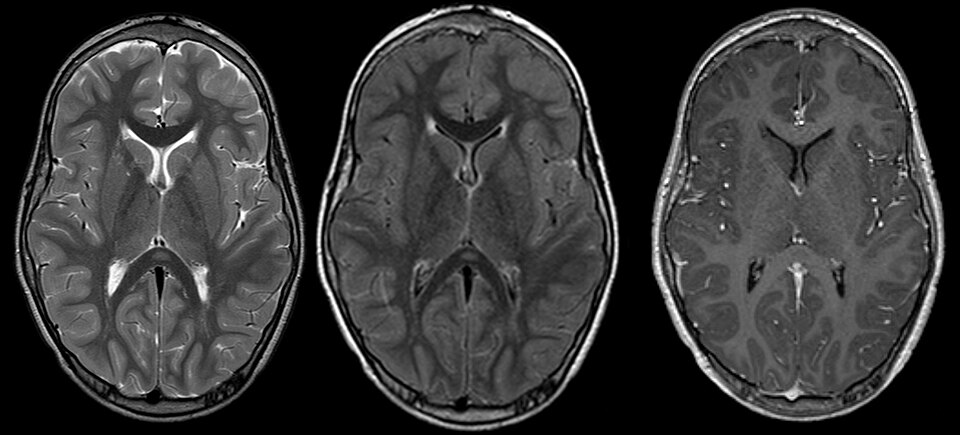
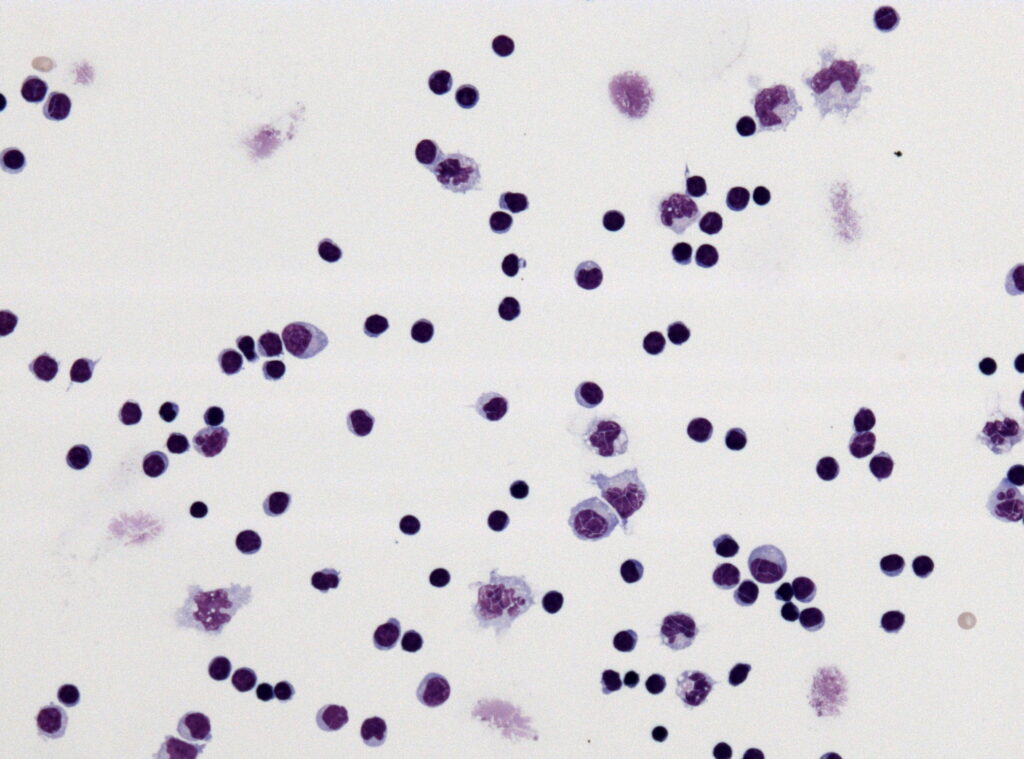
Tests may include brain imaging such as MRI or CT, blood tests, and a lumbar puncture to study the spinal fluid. In some patients, EEG testing is also used to assess abnormal brain activity, especially when seizures are suspected.
This is one of the most important messages for patients and families: encephalitis is not diagnosed by symptoms alone. It requires medical assessment and the right neurological work-up.
Treatment for Encephalitis and Why Early Care Matters
Hospital Treatment and Supportive Care
Most adults with encephalitis need hospital-based treatment. Depending on severity, care may include fluids, close monitoring, breathing support, seizure control, and treatment of swelling or complications.
This is not a condition that should be self-managed. Even when symptoms seem mild at first, progression can be rapid.
Treatment for Infectious and Autoimmune Causes
Treatment depends on the cause. If doctors suspect viral encephalitis, antiviral treatment may be started early. If autoimmune encephalitis is suspected, treatment may involve therapies that reduce the abnormal immune response.
The exact treatment plan is individualized. That is why specialist involvement is so important, especially when symptoms are evolving or the diagnosis is unclear.
Why Timing Can Affect Recovery
The earlier encephalitis is recognized, the sooner the right treatment can begin. Early care may reduce the risk of severe complications and improve the chances of a better recovery.
Delays happen for understandable reasons. The symptoms can look nonspecific at first. But once neurological signs appear, speed matters.
Can Adults Recover from Encephalitis?
Possible Complications
Some adults recover well, especially when the condition is identified and treated early. Others may continue to have neurological effects after the acute illness has passed.
Possible complications can include memory problems, concentration difficulty, speech issues, seizures, mood or personality changes, sleep disturbance, fatigue, or weakness. The outcome varies depending on the cause, severity, and timing of treatment.
What Recovery and Follow-Up May Involve
Recovery is not always linear. Some adults improve steadily over weeks or months, while others need structured neurological follow-up, rehabilitation, seizure management, or cognitive support.
For patients and families, follow-up care is often as important as the initial diagnosis. Recovery is not only about survival. It is also about function, independence, and quality of life.
When to Seek Urgent Help and When to See a Neurologist
Seek emergency care immediately if symptoms include seizure, confusion, severe drowsiness, new weakness, speech difficulty, hallucinations, or loss of consciousness, especially when these appear with fever or a severe headache.
A neurology consultation is especially important if symptoms are recurring, the diagnosis remains uncertain, recovery is incomplete, or autoimmune encephalitis is being considered. When brain-related symptoms are involved, getting the right neurological evaluation early can change the course of care.