
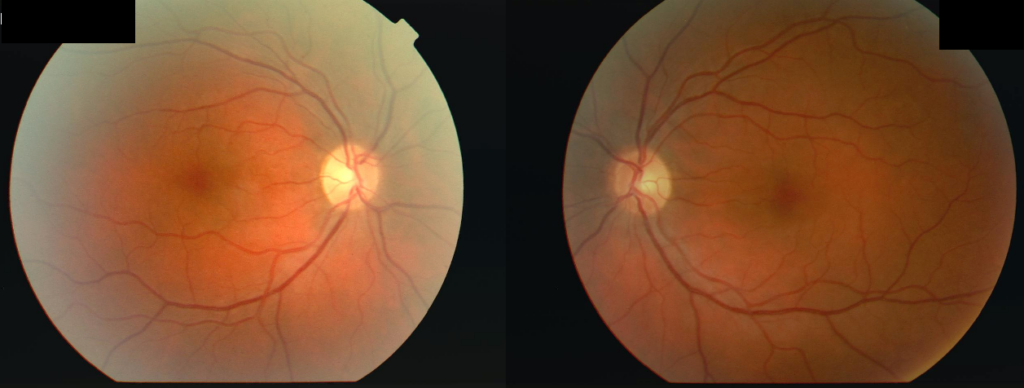
Vision problems are not always only an eye issue.
Sometimes, blurred vision, eye pain, dimmed vision, or sudden vision loss can happen because the nerve carrying signals from the eye to the brain is inflamed. This condition is called optic neuritis.
For many people, this can feel frightening. One day the vision seems normal, and then suddenly one eye becomes blurry, painful, or less bright. Naturally, the first thought is often, “Is something wrong with my eye?”
That may be true. But in some cases, the problem may also be linked to the nervous system.
Optic neuritis affects the optic nerve, which carries visual information from the eye to the brain. Common symptoms include pain with eye movement and temporary vision loss, often in one eye.
Medically Guided by Dr. Siddharth Kharkar
Trusted neurological guidance that turns complex symptoms into clear next steps. Focused on helping patients and families recognize optic neuritis warning signs early so they can seek the right care without delay.
This article follows Dr. Siddharth Kharkar’s patient-first blog voice: clear, practical, reassuring, and focused on helping readers understand symptoms, diagnosis, treatment options, and realistic next steps.
Can Optic Neuritis Be a Neurological Sign?
Yes. Optic neuritis can be a neurological sign because it affects the optic nerve, which connects the eye and brain.
When this nerve becomes inflamed, the visual signal can become weak or disturbed. This can lead to blurred vision, eye pain, reduced color brightness, or temporary vision loss.
In some people, optic neuritis may be linked with optic neuritis and multiple sclerosis, autoimmune inflammation, or other nerve-related conditions. However, this does not mean every person with optic neuritis has multiple sclerosis.
The simple point is this:
Not every vision problem is neurological.
Not every case of optic neuritis means MS.
But sudden painful vision change should not be ignored.
At a Glance
What it is:
Optic neuritis is inflammation of the optic nerve.
Common symptoms:
Blurred vision, vision loss in one eye, eye pain, pain with eye movement, dimmed vision, or color vision changes.
Why it matters:
The optic nerve connects the eye and brain, so symptoms may sometimes point toward a neurological issue.
How it is diagnosed:
Doctors may use an eye exam, neurological exam, vision testing, MRI, and sometimes blood tests.
Treatment:
Some cases improve over time. In selected cases, steroids may be used to reduce inflammation and speed recovery.
When to seek help:
Sudden vision loss, eye pain with vision changes, repeated episodes, or vision symptoms with numbness, weakness, or imbalance should be checked quickly.
What Is Optic Neuritis?
Optic neuritis means inflammation of the optic nerve.
The optic nerve works like a communication cable between the eye and the brain. Your eye receives visual information, but your brain helps process and understand what you see. The optic nerve carries that information from the eye to the brain.
When the optic nerve becomes inflamed, the signal may not travel clearly. This can cause blurred vision, darkened vision, reduced sharpness, or loss of color brightness.
Some patients describe it as:
- “My vision looks dim.”
- “Colors look faded.”
- “One eye feels blurry.”
- “It hurts when I move my eye.”
- “It feels like the brightness has been turned down.”
This is why optic neuritis is not just a simple eye complaint. It sits at the meeting point of eye health and nerve health.
Can Vision Problems Be a Neurological Sign?
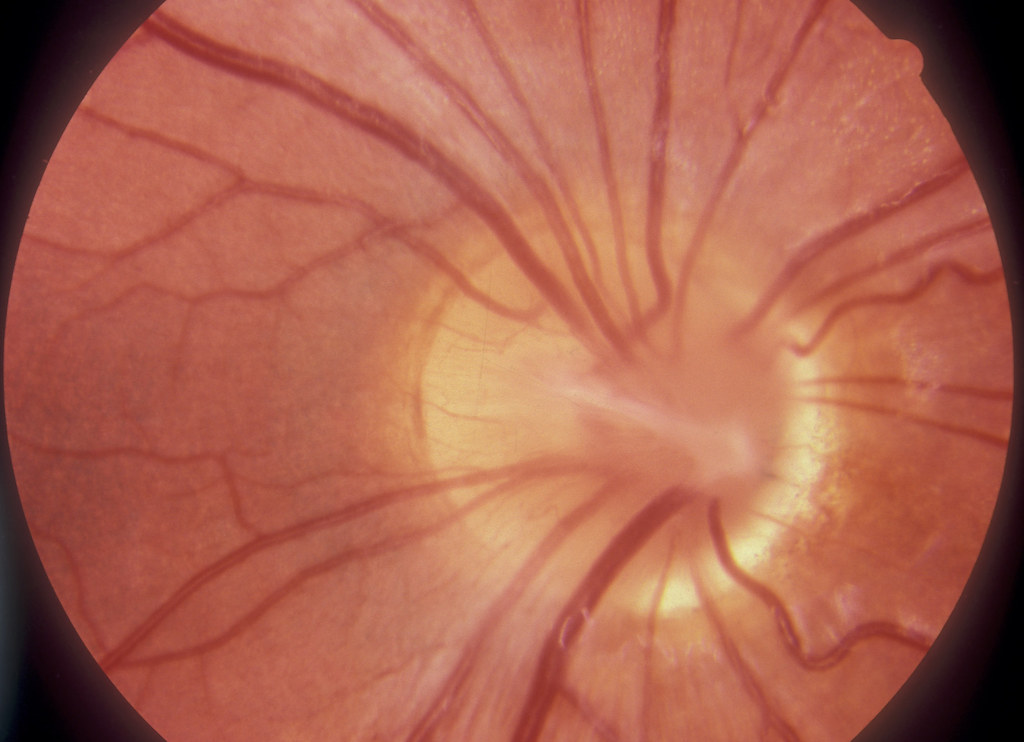
Yes, vision problems can sometimes be a neurological sign.
Vision depends on more than the eyeball. It also depends on the optic nerve, visual pathways, and the parts of the brain that process what you see.
So, when someone develops sudden vision symptoms, doctors may need to check whether the problem is coming from:
- The eye
- The optic nerve
- The brain
- The immune system
- A neurological condition
This becomes especially important when vision changes happen suddenly or appear with pain, numbness, weakness, imbalance, double vision, or repeated episodes.
The Optic Nerve Connects the Eye and Brain
The optic nerve is part of the nervous system. It does not simply sit inside the eye. It carries visual signals toward the brain.
That is why inflammation of this nerve may need a neurologist’s evaluation.
An eye examination may show that vision has changed. A neurological evaluation helps answer the deeper question:
Why did the optic nerve become inflamed in the first place?
This is where medical history, examination, MRI, and follow-up become important.
Why a Neurologist May Be Needed
A neurologist may be needed when optic neuritis is suspected because the condition can sometimes be connected to inflammation in the central nervous system.
This does not mean the situation is always dangerous. It means the symptom deserves the right evaluation.
A neurologist may look for:
- Previous episodes of numbness or weakness
- Balance problems
- Double vision
- Bladder or bowel symptoms
- Repeated neurological symptoms
- MRI changes
- Family or personal history of autoimmune disease
This helps separate a one-time optic nerve episode from a wider neurological condition.
Common Optic Neuritis Symptoms
Optic neuritis symptoms can vary. Some are mild. Others can be sudden and worrying.
Common symptoms include:
- Blurred vision
- Vision loss in one eye
- Eye pain
- Pain with eye movement
- Reduced color brightness
- Dimmed vision
- Patchy vision
- Temporary vision loss
- Vision worsening over hours or days
Pain with eye movement and temporary vision loss in one eye are commonly described symptoms of optic neuritis.
Blurred Vision or Vision Loss
Many people notice that one eye becomes blurry or less sharp.
The vision may not become completely black. Instead, it may feel cloudy, faded, dim, or unclear.
This can make reading, driving, using a phone, or recognizing faces difficult.
Sudden vision loss should always be taken seriously, especially when it is painful or comes with other neurological symptoms.
Eye Pain, Especially With Movement
Eye pain is one of the important warning signs.
The pain may feel like pressure behind the eye. It may become worse when looking left, right, up, or down.
Eye pain alone does not always mean optic neuritis. But eye pain with blurred vision or vision loss needs medical attention.
Color Vision Changes
Some people notice that colors look dull or washed out.
Red may not look as bright as before. One eye may see colors differently from the other.
This can happen because the inflamed optic nerve is not carrying visual signals clearly.
Patients may not notice this at first. During examination, doctors may compare color vision in both eyes to look for this change.
Why Is Optic Neuritis Linked With Multiple Sclerosis?
Multiple sclerosis, often called MS, is one of the conditions commonly discussed with optic neuritis.
MS can affect the protective covering of nerves. When this covering is damaged, nerve signals may not travel properly. This can involve different parts of the nervous system, including the optic nerve.
Mayo Clinic notes that signs and symptoms of optic neuritis can be the first indication of MS or may occur later in the course of MS.
But this point must be understood carefully.
Optic neuritis can be linked with MS, but it can also happen for other reasons. Some people may have a single episode and recover well. Others may need more testing to check for underlying inflammation, autoimmune disease, or another neurological condition.
If you have had numbness, weakness, balance problems, double vision, or repeated nerve-related symptoms, it is important to discuss early signs of multiple sclerosis with a neurologist.
What Causes Optic Neuritis?
Optic neuritis can happen when inflammation affects the optic nerve. In some cases, the exact trigger may not be clear at first.
Possible causes or associations include:
- Multiple sclerosis
- Other demyelinating conditions
- Autoimmune inflammation
- Certain infections
- Other inflammatory disorders
- Rare medication-related causes
- Other optic nerve disorders that may look similar
NCBI/StatPearls describes optic neuritis as a vision-threatening disorder that can be an early symptom of demyelinating diseases such as multiple sclerosis, and also notes infections, autoimmune diseases, and certain medications as possible triggers.
This is why diagnosis matters. Two people may have similar vision symptoms, but the reason behind those symptoms may be different.
The goal is not only to treat the current episode. The goal is also to understand whether this is an isolated event or part of a larger neurological pattern.
How Doctors Diagnose Optic Neuritis
Diagnosis usually starts with careful listening.
A doctor may ask:
- When did the vision problem start?
- Is one eye affected or both?
- Is there pain with eye movement?
- Are colors less bright?
- Did symptoms appear suddenly or slowly?
- Have you had numbness, weakness, imbalance, or double vision before?
- Have similar symptoms happened earlier?
After that, the evaluation may include an eye examination and a neurological examination.
Doctors may also recommend:
- Visual acuity testing
- Color vision testing
- Pupil reaction testing
- Fundus examination
- Visual field testing
- MRI of the brain and optic nerves
- Blood tests in selected cases
MRI can help doctors look for optic nerve inflammation and check for demyelinating changes in the brain that may suggest a higher risk of multiple sclerosis.
The right tests depend on the symptoms, age, medical history, examination findings, and risk factors.
Optic Neuritis Treatment and Recovery
Optic neuritis treatment depends on the cause and severity.
Some people improve over time. Others may need treatment to reduce inflammation or manage an underlying condition.
In selected cases, doctors may use steroid treatment to reduce inflammation and help speed visual recovery. Mayo Clinic notes that optic neuritis often improves on its own, and steroid medications may be used in some cases to reduce optic nerve inflammation.
Steroids should not be taken without medical supervision. They are not suitable for every patient, and the decision depends on the clinical picture.
If optic neuritis is linked with multiple sclerosis or another autoimmune condition, treatment may include a longer-term plan to reduce future attacks and protect nerve health.
Recovery can vary. Some people regain good vision. Others may continue to notice mild color changes, dimness, or vision differences between the eyes.
Follow-up matters because optic neuritis is not only about how vision improves today. It is also about whether the nervous system needs further care.
For patients who are unsure where to begin, a careful neurological evaluation can help connect symptoms, test results, and the right next steps.
When Should You See a Neurologist?
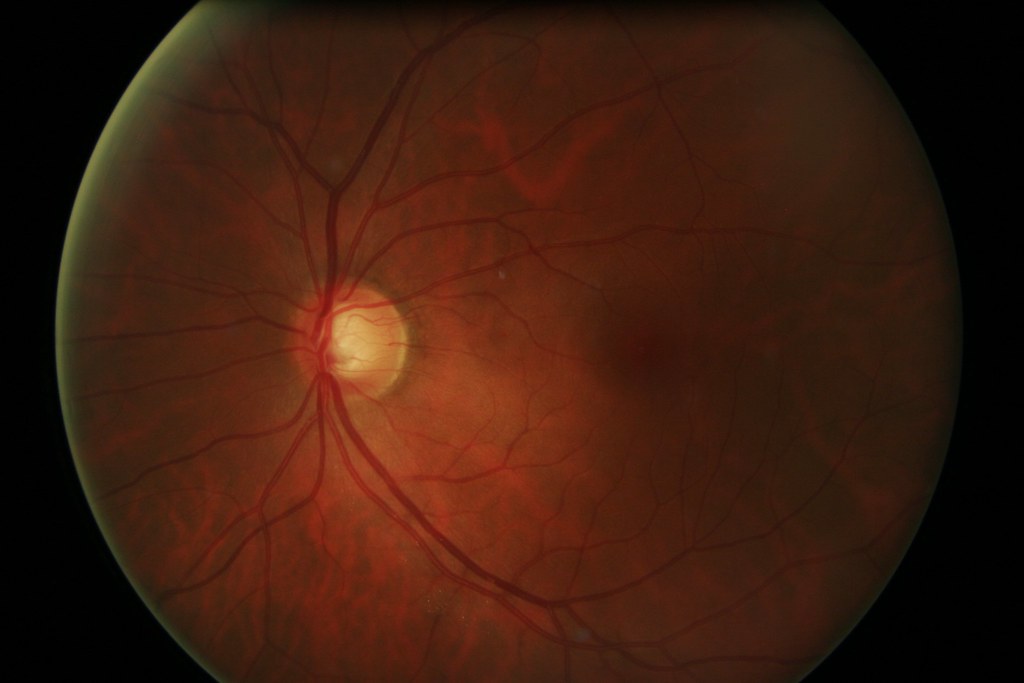
You should seek urgent medical care if you have sudden vision loss, especially if it affects one eye or comes with pain.
You should also see a neurologist if you have:
- Eye pain with blurred vision
- Vision loss with numbness or weakness
- Double vision
- Balance problems
- Repeated episodes of vision disturbance
- Known multiple sclerosis
- Autoimmune disease
- Symptoms affecting both eyes
- Severe headache with vision change
- Vision symptoms that are getting worse
A neurologist can help identify whether the optic nerve problem is isolated or part of a wider neurological condition.
Do not wait for symptoms to become severe before asking for help. Early evaluation can make the path clearer and reduce unnecessary fear.