
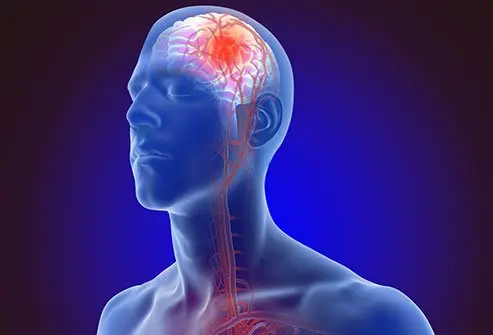
Having one stroke can leave you with an understandable question: Could this happen again?
The answer is that having a previous stroke does increase your risk of another one. But there is also a great deal that can be done to lower that risk.
Learning how to reduce the risk of a second stroke is not simply about eating better or exercising more. The most important step is understanding why the first stroke happened and then controlling the specific factors that could cause another one.
Nearly one in four strokes are recurrent. This makes prevention an important part of care after the emergency phase and throughout recovery.
Medically Guided by Dr. Siddharth Kharkar
Trusted neurological guidance that turns complex symptoms into clear next steps.
Focused on helping patients and families understand second-stroke risk, recognize important warning signs, manage preventable risk factors, and know when further neurological evaluation may be needed.
Quick Answer: How Can You Reduce the Risk of a Second Stroke?
You can reduce your risk of another stroke by finding out what caused the first one, controlling blood pressure, cholesterol and diabetes, taking prescribed medicines correctly, treating conditions such as atrial fibrillation, avoiding smoking, staying physically active, eating well, and attending regular follow-up appointments.
Your prevention plan should be based on your type and cause of stroke, because the right treatment after an ischemic stroke, TIA, or brain haemorrhage may be very different. Current secondary-prevention guidance therefore emphasizes mechanism-specific treatment rather than giving every stroke patient the same plan.
At a Glance: What Helps Prevent Another Stroke?
What to do | Why it matters |
Understand why the first stroke happened | Different causes need different prevention strategies |
Control blood pressure | High blood pressure is a major cause of recurrent stroke |
Take medicines exactly as advised | Missing or stopping treatment can leave risk factors uncontrolled |
Manage cholesterol and diabetes | Both can damage blood vessels over time |
Check for heart problems such as AFib | Some strokes begin with a clot formed in the heart |
Stop smoking | Smoking damages blood vessels and raises stroke risk |
Eat well and stay active | These habits support blood pressure, cholesterol, weight and blood sugar |
Attend follow-up appointments | Your prevention plan may need adjustment over time |
Act immediately if symptoms return | A recurrent stroke is still a medical emergency |
These steps work together. Preventing another stroke usually requires more than changing just one risk factor.
Why Is the Risk of Another Stroke Higher After the First?
A previous stroke tells us that something has already affected the blood vessels, heart, blood-clotting system, or circulation to the brain.
That underlying problem may still exist after you recover from the first event.
For example, a person may still have uncontrolled high blood pressure, narrowing in an artery, atrial fibrillation, diabetes, high cholesterol, or another condition that makes clots or bleeding more likely.
This is why feeling better after a stroke does not necessarily mean the underlying risk has disappeared.
Prevention and recovery should therefore happen at the same time. While rehabilitation helps you regain movement, speech, balance, strength, or independence, prevention focuses on reducing the chance of another brain injury.
If you are trying to understand what recovery may look like over the coming weeks and months, the stroke recovery timeline can help put the different stages into perspective.
The First Step Is Understanding Why Your Stroke Happened
One of the most useful questions after a stroke is:
“What caused my stroke?”
That question matters because “stroke” describes what happened to the brain, but it does not tell us why it happened.
The best strategy to prevent another stroke depends heavily on the answer.
After an Ischemic Stroke or TIA
An ischemic stroke occurs when blood flow to part of the brain is blocked.
Possible causes include disease in the large arteries, disease in smaller brain vessels, a clot travelling from the heart, or other less common problems.
A transient ischemic attack, or TIA, causes temporary stroke-like symptoms. Although the symptoms improve, a TIA should be treated seriously because it may signal an increased risk of a future stroke.
Your neurologist may therefore review brain scans, blood-vessel imaging, heart tests, blood tests, risk factors, and your medical history to determine the likely cause.
After a Hemorrhagic Stroke
A hemorrhagic stroke happens when a blood vessel in or around the brain bleeds.
Prevention is different because the priority may involve careful blood-pressure control and finding out whether an aneurysm, abnormal blood vessel, medication, or another medical problem contributed to the bleeding.
This is one reason you should never assume that advice given to somebody with an ischemic stroke automatically applies to a person who had a brain haemorrhage.
When the Cause of the Stroke Is Not Yet Clear
Sometimes the first evaluation does not identify a definite cause.
That does not mean nothing more can be done.
Depending on your situation, your neurologist may consider whether additional assessment of the heart, heart rhythm, blood vessels, or other possible causes is appropriate.
Finding atrial fibrillation is a good example. The abnormal rhythm can come and go, so a normal ECG taken at one moment may not always rule it out.
Current secondary-prevention guidance specifically emphasizes diagnostic evaluation when the mechanism of an ischemic stroke is uncertain.
Control Your Blood Pressure Carefully
Blood pressure deserves special attention after a stroke.
High blood pressure can damage artery walls over time. It can contribute to both blocked-artery strokes and bleeding in the brain.
For many neurologically stable adults who have had a stroke or TIA, current cardiovascular guidance recommends an office blood-pressure goal below 130/80 mm Hg. Your personal target may still need adjustment based on your overall medical condition, medications, age, and the type of stroke you experienced.
Do not simply look at one reading.
Your doctor may ask you to:
- check blood pressure regularly;
- keep a home record;
- reduce excess salt;
- take prescribed blood-pressure medicine consistently;
- review readings during follow-up visits.
A pattern is often more useful than an occasional number.
Also tell your doctor if treatment is making you unusually dizzy, weak, or light-headed. Blood-pressure management should be effective but also safe for you.
Take Stroke Prevention Medicines Exactly as Prescribed
Medicines are often an important part of preventing another stroke, particularly after an ischemic stroke or TIA.
But there is no single “stroke tablet” that is correct for everyone.
The choice depends on what caused the stroke.
Antiplatelet or Anticoagulant: Why the Difference Matters
Some people with an ischemic stroke are prescribed an antiplatelet medicine. Others may need an anticoagulant, particularly when certain heart-related sources of blood clots such as atrial fibrillation are present.
These medicines work differently and have different bleeding risks.
They should not be started, stopped, combined, or changed without medical advice.
This is particularly important with aspirin. Aspirin is easily available, but being available without a prescription does not mean it is appropriate for every person worried about stroke.
A person with a previous brain bleed, for example, may have very different considerations from somebody with a particular type of ischemic stroke.
If your medicine is causing bruising, bleeding, stomach problems, dizziness, cost concerns, or another difficulty, tell your doctor rather than quietly stopping it.
Cholesterol-Lowering Treatment May Also Be Important
High levels of LDL cholesterol can contribute to plaque building inside arteries.
For selected patients after an ischemic stroke or TIA, cholesterol-lowering medication may therefore form part of secondary prevention.
Your doctor will decide whether treatment is needed and what cholesterol target is appropriate based on the type of stroke, artery disease, other cardiovascular risks, and your overall health.
Manage Other Conditions That Can Raise Stroke Risk

Preventing another stroke often means looking beyond the brain.
The heart, blood vessels, metabolism, sleep, and everyday habits can all influence future risk.
Diabetes and Blood Sugar
Diabetes can damage blood vessels over time and increase cardiovascular risk.
If you have diabetes, good control usually involves a combination of:
- appropriate medication;
- food choices;
- physical activity;
- weight management where appropriate;
- regular blood tests;
- monitoring agreed with your doctor.
Some people discover abnormal blood sugar only during or after their stroke evaluation.
If you have never been tested, your doctor can decide whether screening is appropriate.
Atrial Fibrillation and Other Heart Problems
Atrial fibrillation, often called AFib or AF, is an irregular heart rhythm.
It matters because blood can pool inside the heart and form a clot. That clot can travel through the bloodstream and block an artery supplying the brain.
Atrial fibrillation may be persistent or may happen intermittently.
If the cause of an ischemic stroke is unclear, your neurologist may decide whether additional heart-rhythm monitoring is useful.
When AFib is confirmed, preventing another stroke may require a different medication strategy than the one used for a non-cardioembolic stroke.
Sleep Apnea
Sleep apnea causes repeated interruptions in breathing during sleep.
It may be worth discussing with your doctor if you snore loudly, wake gasping, have excessive daytime sleepiness, or someone has noticed pauses in your breathing.
Sleep apnea commonly exists alongside other vascular risk factors and is specifically addressed in stroke-prevention guidance.
Build Daily Habits That Protect Your Heart and Brain
Medication and medical tests are only one part of prevention.
Daily habits influence many of the same risk factors doctors are trying to control.
The goal is not to become “perfect” overnight. It is to create habits you can continue.
Choose a Heart-Healthy Eating Pattern
A Mediterranean-style or similarly heart-healthy eating pattern is often recommended for vascular health.
In practical terms, build more meals around:
- vegetables;
- fruits;
- whole grains;
- pulses and legumes;
- nuts;
- fish where appropriate;
- healthier sources of fat.
Try to reduce foods high in salt, added sugar, saturated fat, and highly processed ingredients.
This matters because diet can influence blood pressure, cholesterol, blood sugar, and weight at the same time. AHA/ASA secondary-prevention guidance specifically supports healthy dietary patterns, including Mediterranean-style and lower-salt approaches.
Return to Physical Activity Safely
Physical activity is valuable after stroke, but your starting point matters.
Someone who walks independently will need a different plan from someone with weakness, poor balance, fatigue, heart disease, or a high risk of falling.
Start with what is safe for you.
Depending on your recovery, this may include walking, rehabilitation exercises, cycling, strengthening exercises, or a supervised programme.
If your stroke has affected balance, walking, strength, or coordination, ask your rehabilitation or medical team what level of exercise is safe rather than suddenly beginning an intense programme.
Current stroke guidance encourages physical activity while recognizing that people with neurological deficits may benefit from supervised exercise.
Stop Smoking and Be Careful With Alcohol
If you smoke, quitting is one of the most useful changes you can make for your blood vessels.
Smoking contributes to vascular injury and increases stroke risk.
If stopping is difficult, ask for help. Nicotine dependence can require structured support rather than willpower alone.
Alcohol also deserves an honest discussion.
Heavy drinking can worsen blood pressure and increase several health risks. If you drink regularly, discuss what is safe for your individual medical situation, especially if you take medicines that affect bleeding or have liver, heart, or blood-pressure problems.
Pay Attention to Sleep and Stress
A stroke can change sleep, mood, independence, finances, relationships, and confidence.
Stress after a major neurological event is real.
Try not to treat sleep and emotional health as unimportant simply because they are not visible on a brain scan.
Persistent insomnia, anxiety, depression, excessive daytime sleepiness, or suspected sleep apnea deserves discussion with your healthcare team.
Keep Your Follow-Up Appointments Even When You Feel Better
One common mistake after a stroke is assuming follow-up is no longer important once strength, speech, or balance improves.
Recovery does not automatically mean the cause of the stroke has disappeared.
Follow-up appointments allow your healthcare team to check:
- blood pressure;
- cholesterol;
- blood sugar;
- medicine adherence;
- side effects;
- heart rhythm when appropriate;
- recovery progress;
- new neurological symptoms;
- rehabilitation needs.
They also give you an opportunity to ask what remains unexplained.
A prevention plan should evolve as new information becomes available.
When Can a Procedure Help Prevent Another Stroke?
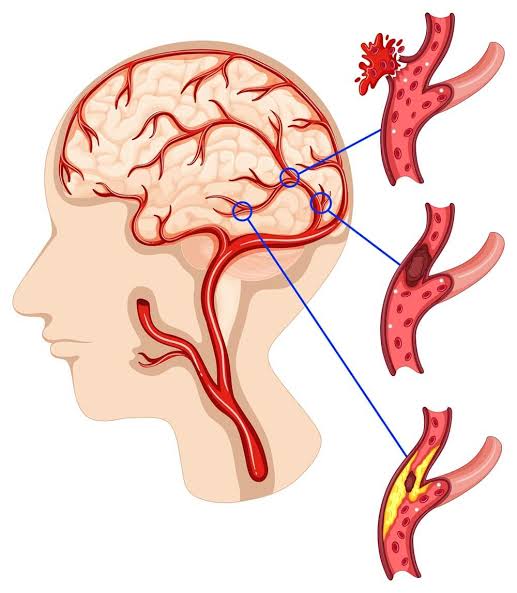
Most people do not need an operation simply because they have experienced a stroke.
However, procedures may be considered when doctors identify a specific problem that can be treated mechanically.
One example is significant narrowing of a carotid artery in selected patients.
Other procedures may sometimes be considered for particular structural or cardiovascular causes.
Johns Hopkins and other specialist sources therefore place surgery after cause identification rather than presenting it as routine stroke prevention.
Whether a procedure is appropriate depends on the anatomy, severity of narrowing, type of stroke, timing, age, general health, and expected risks and benefits.
This decision requires specialist assessment.
What Should You Do If Stroke-Like Symptoms Return?
Do not assume a second stroke will feel exactly like the first one.
Watch for sudden:
- facial weakness or drooping;
- weakness or numbness in an arm or leg;
- difficulty speaking or understanding words;
- loss or change of vision;
- severe imbalance or difficulty walking;
- confusion;
- unusually severe unexplained headache.
If these symptoms appear suddenly, seek emergency medical care immediately.
Do not wait for a routine neurologist appointment to see whether the symptoms settle.
Symptoms that disappear can still represent a TIA and require urgent evaluation.
This is particularly important because some neurological episodes can be difficult for patients to distinguish from migraine, fainting, or seizures.
People of any age should also know the stroke warning signs in younger adults, because stroke should not be dismissed simply because somebody appears young or otherwise healthy.
Questions to Ask Your Neurologist After a Stroke or TIA
You do not need to understand every medical term in your reports.
You do need to understand your plan.
Consider asking:
- Was my event definitely a stroke, or could it have been a TIA or another neurological condition?
- Was the stroke ischemic or hemorrhagic?
- Do we know what caused it?
- Which of my risk factors are most important to control?
- What blood-pressure range should I aim for?
- What is each of my medicines preventing?
- Do I need additional heart, blood-vessel, or blood tests?
- Are there activities or exercises I should avoid right now?
- Which symptoms mean I should go straight to emergency care?
- When should my prevention plan be reviewed again?
A good prevention consultation should leave you understanding not only what you have been prescribed, but why.