
If you or someone you love has shaking, pulling, twisting, or an unusual posture, it is natural to wonder what is going on. Many people use the word “tremor” for any shaking movement. But in neurology, tremor and dystonia are not the same thing.
They can look similar from the outside. In some people, they can even overlap. Still, the difference matters because the diagnosis guides the treatment. A rhythmic hand tremor is not evaluated the same way as a jerky, position-dependent movement that comes with neck pulling or abnormal posture.
Shaking does not always mean the same condition. Some tremors are rhythmic and fairly regular. Dystonia, on the other hand, is a movement disorder that can cause involuntary muscle contractions, twisting, abnormal postures, and sometimes tremor. The goal is not just to name the symptom. It is to understand the pattern behind it so the right treatment can begin.
Medically guided by Dr. Siddharth Kharkar
Trusted neurological guidance that turns complex symptoms into clear next steps. Focused on helping patients and families recognize movement symptoms early, understand what they may mean, and seek the right care without delay.
Quick Answer:
Tremor is usually a rhythmic shaking movement. Dystonia is a movement disorder caused by involuntary muscle contractions that can lead to twisting, pulling, repetitive movements, abnormal posture, and sometimes a tremor-like movement. When tremor happens in dystonia, it is often more irregular, jerky, and position-dependent than a classic tremor.
At a Glance
Feature | Tremor | Dystonia |
Main pattern | Rhythmic shaking | Involuntary muscle contractions |
Movement quality | More regular | Often twisting, pulling, or abnormal posture |
Rhythm | Usually steady or rhythmic | May be irregular or jerky |
Posture | Usually no fixed abnormal posture | Abnormal posture is common |
Position effect | May worsen with action or posture | Often changes with position |
Sensory trick | Not typical | Can be present |
Why it matters | Helps identify tremor type | Helps identify a movement disorder that may mimic or include tremor |
This table is useful because many patients describe both as “shaking,” but the pattern behind the movement is what helps tell them apart.
What Is Tremor?
A tremor is an involuntary shaking movement. In many common tremor disorders, the shaking is rhythmic and easier to notice when holding a posture or doing an activity such as drinking from a glass, writing, or using utensils. Hands are often affected, but the head, voice, trunk, or legs can be involved too.
Common tremor symptoms
People with tremor may notice:
- shaky hands while eating or writing
- head or voice shaking
- symptoms that are more obvious during activity than at complete rest
- trouble with fine motor tasks
These details matter because tremor is not one single disease. It is a movement pattern that can appear in different conditions.
When tremor is more likely to be rhythmic
Classic tremor patterns, including essential tremor, are usually described as rhythmic. That regular back-and-forth quality is one of the clues doctors look for during an exam.
What Is Dystonia?
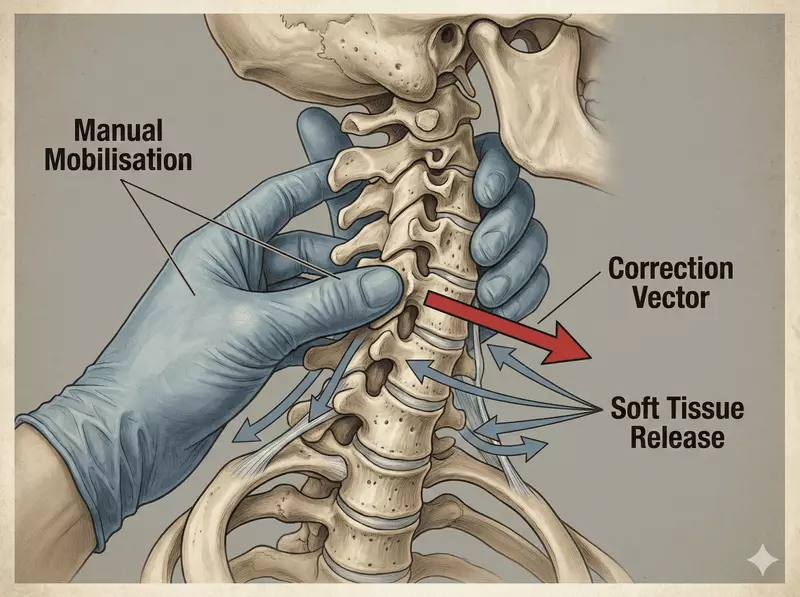
Dystonia is a movement disorder in which muscles contract without your control. These contractions can cause twisting, pulling, repetitive movements, or abnormal postures. Dystonia can affect one body part or several. It may involve the neck, face, jaw, voice, arm, hand, trunk, or leg.
Common dystonia symptoms
Depending on the body part involved, dystonia may look like:
- neck turning or pulling
- a hand that cramps or twists during a task
- blinking, facial pulling, or jaw tightening
- abnormal foot or toe posturing
- painful or uncomfortable muscle contractions
Some patients describe the movement as “shaking,” but what they are really noticing may be a dystonic movement pattern.
When dystonia causes tremor
Dystonia can include tremor. This is often called dystonic tremor when the tremor happens in the body part affected by dystonia. Compared with essential tremor, dystonic tremor is often more irregular, more jerky, and more dependent on the position of the body part.
How Doctors Tell the Difference Between Dystonia and Tremor
A specialist does not rely on one symptom alone. The diagnosis comes from the pattern.
Rhythmic vs irregular shaking
Tremor is classically rhythmic. Dystonic tremor is more likely to be irregular, uneven, or jerky. That difference may sound small, but clinically it is very useful.
Abnormal posture and pulling
If shaking comes with a sustained head tilt, wrist turning, neck pulling, or another abnormal posture, that raises suspicion for dystonia. Dystonia is not just movement. It often changes the resting position of the body part too.
Sensory tricks and null points
One clue that strongly points toward dystonia is a sensory trick. Some people find that lightly touching the affected area reduces the movement for a moment. Another clue is a null point, meaning a certain position where the tremor becomes less obvious. These features are much more typical of dystonia-related tremor than classic essential tremor.
Why a movement disorder exam matters
Patients with dystonia are sometimes misdiagnosed as having a tremor disorder, and patients with tremor can also be mislabeled. That matters because the treatment may change significantly depending on the real diagnosis. A movement disorder evaluation helps sort out those details.
Why the Right Diagnosis Matters
The difference between dystonia and tremor is not just academic. It directly affects treatment planning.
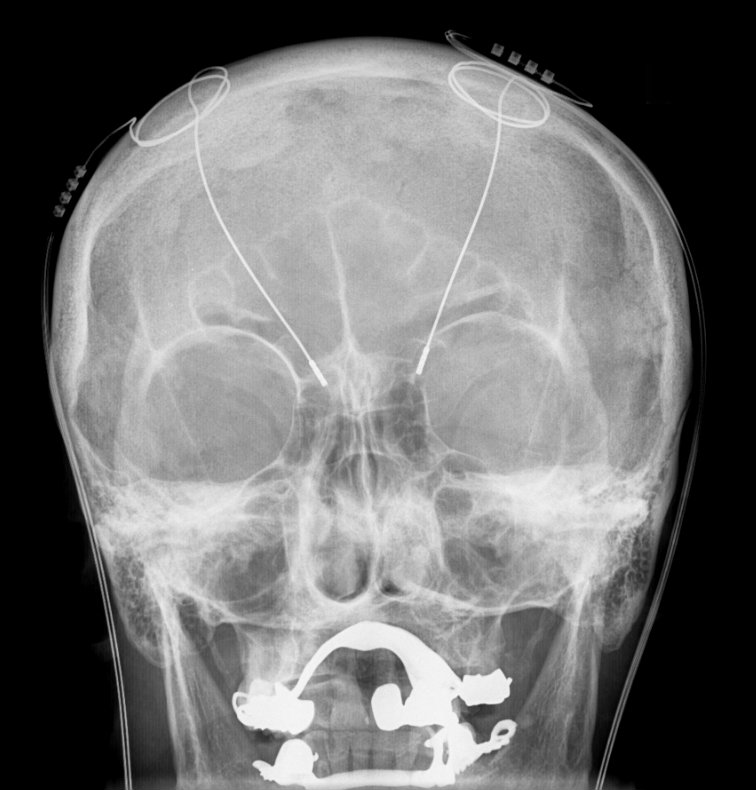
For example, some classic tremor patterns may respond to medications commonly used for essential tremor. Dystonia-related symptoms may be managed differently, especially when there is a focal muscle pattern, an abnormal posture, or a body part that may benefit from targeted botulinum toxin treatment. In more severe and selected cases, advanced therapies such as deep brain stimulation may be considered.
In simple words, when the diagnosis is clearer, the treatment becomes more precise.
How Dystonia and Tremor Are Evaluated
Medical history and symptom pattern
A neurologist will usually ask:
- when the movement started
- which body parts are involved
- whether it happens at rest, with posture, or during action
- whether stress, caffeine, or fatigue worsen it
- whether there is a family history
- whether the movement changes with touch or position
This history often provides major clues.
Neurological examination
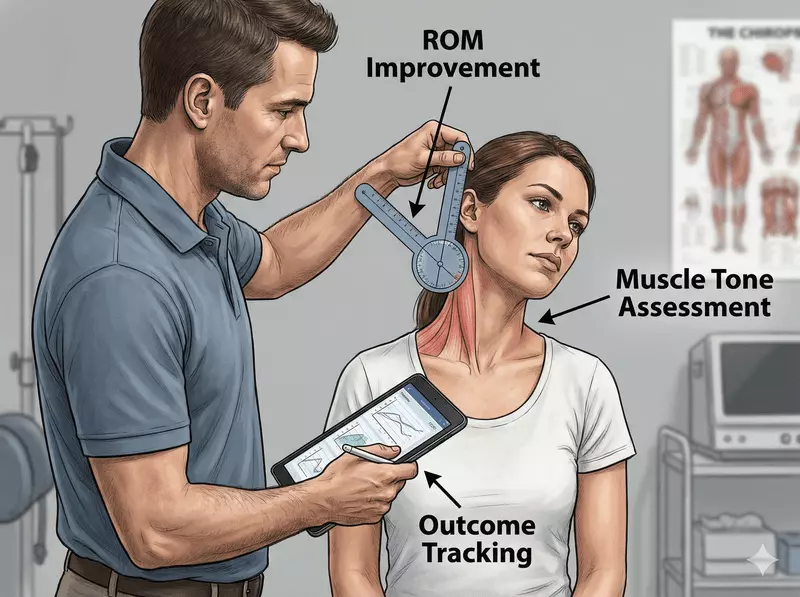
The exam is especially important. A specialist looks for rhythm, direction, asymmetry, abnormal posture, muscle overactivity, and whether there are subtle dystonic features hiding behind what first looks like “just tremor.”
Tests that may be used in selected cases
Not every patient needs extensive testing. Depending on the case, doctors may use imaging, blood work, or other tests to rule out secondary causes or clarify the diagnosis. The right tests depend on the age of onset, symptom pattern, and overall neurological picture.
Treatment Options for Dystonia and Tremor
Treatment depends on the cause, body part involved, and how much daily life is affected.
Medication
Some tremors respond to medication, especially in essential tremor. Dystonia-related symptoms may need a different medication strategy, depending on the pattern and severity.
Botulinum toxin injections
Botulinum toxin can be especially useful in focal dystonia and in selected tremor patterns, including some head or voice tremors and dystonia-related cases. It is often considered when a specific muscle group is driving the abnormal movement.
Therapy and daily function support
Physical, occupational, and speech therapy can help patients adapt tasks, improve comfort, and protect daily function. This matters when symptoms interfere with writing, eating, speaking, or work.
Deep brain stimulation for selected patients
For some patients with severe, medication-resistant symptoms, deep brain stimulation may be an option. It is not for everyone, but it can be valuable in carefully selected cases of tremor or dystonia.
When You Should See a Specialist
You should consider a neurological evaluation if:
- the shaking is getting worse
- it affects writing, eating, speaking, or work
- there is pulling, twisting, cramping, or abnormal posture
- one body part seems to assume an unusual position
- the movement is painful
- you have been told it is “just tremor,” but the pattern does not feel straightforward
A movement disorder specialist can help distinguish a common tremor from dystonia or dystonic tremor and guide the next step with more confidence.