
Everyone forgets things sometimes. You may misplace your glasses, blank on a name for a moment, or walk into a room and forget why you went there.
That does not automatically mean dementia.
The real question is this: are the memory changes occasional and manageable, or are they starting to interfere with daily life, judgment, language, orientation, or familiar tasks?
If forgetfulness is becoming frequent, noticeable, or disruptive, it is worth getting it evaluated early. Many causes of memory problems are treatable, and when cognitive decline is present, early clarity helps patients and families make better decisions.
Medically guided by Dr. Siddharth Kharkar
When is forgetfulness normal and when is it concerning?
Occasional forgetfulness can be part of normal aging. For example, you may take longer to recall a name, need reminders more often, or misplace something and then find it later.
Forgetfulness becomes more concerning when memory problems begin to affect everyday functioning. That includes repeating the same questions, getting lost in familiar places, struggling with bills or medicines, missing familiar steps in routine tasks, or showing changes in judgment, speech, or awareness of time and place.
In simple terms, normal forgetfulness is frustrating. Dementia-related decline is disruptive.
At a glance: normal forgetfulness vs possible dementia
More likely to be normal age-related forgetfulness
- Forgetting a name but remembering it later
- Misplacing an item and retracing your steps to find it
- Occasionally missing an appointment but managing well with reminders
- Taking longer to learn something new
- Sometimes forgetting which day it is, then figuring it out later
More likely to need medical evaluation
- Repeating the same question or story again and again
- Getting lost in familiar areas
- Trouble managing money, medicines, or household routines
- Difficulty following conversations or finding common words more often
- Poor judgment or unusual decisions
- Confusion about time, place, or how you got somewhere
- Inability to retrace steps after losing things
- Changes noticed by family members that are affecting daily life
What normal age-related forgetfulness can look like
Examples of memory lapses that are usually not a sign of dementia

As we age, memory retrieval can become slower. That means the information is still there, but it may not come to mind as quickly as it once did.
You may need lists more often. You may pause to remember a word. You may forget where you kept something and then locate it after thinking it through.
These changes can be annoying, but they usually do not stop someone from living independently, managing their routine, or functioning safely.
Signs that memory loss may need medical evaluation
When memory changes start affecting daily life
This is the most important threshold.
If memory problems are interfering with work, home responsibilities, finances, medication schedules, appointments, travel, cooking, or self-care, they should not be brushed aside as “just aging.”
A good rule is simple: if forgetfulness is changing how someone functions, not just how fast they remember, it deserves attention.
Changes in judgment, language, navigation, or familiar tasks
Memory decline is not always just about forgetting names.
Concerning signs can include:
- Trouble following a familiar recipe
- Difficulty paying regular bills
- Losing track of dates or seasons
- Using the wrong words more often or struggling to complete a sentence
- Getting confused while driving familiar routes
- Difficulty organizing a routine task that used to be easy
- Misplacing items in unusual places and being unable to retrace steps
These changes suggest a broader thinking problem, not just ordinary forgetfulness.
When family members notice the problem more than the person does
Sometimes the person affected does not fully realize how much has changed. A spouse, child, sibling, or close friend may be the first to notice repeated questions, increasing confusion, unusual decisions, or a shrinking ability to manage daily routines.
That outside perspective is often valuable. If loved ones are concerned, it is wise to take that seriously rather than wait.
What else can cause memory problems besides dementia?
Not all memory loss means dementia. In fact, some causes of forgetfulness are reversible or treatable.
Sleep, stress, depression, and anxiety
Poor sleep can affect concentration and recall. So can chronic stress, anxiety, grief, and depression.
When the brain is overloaded, exhausted, or emotionally strained, memory often suffers. In many people, treating sleep problems or mood-related issues improves cognitive symptoms.
Medicines, thyroid problems, vitamin deficiencies, and other reversible causes
Several medical conditions and medications can mimic or worsen memory problems.
Examples include:
- Medication side effects or drug interactions
- Vitamin B12 deficiency
- Thyroid problems
- Alcohol-related cognitive effects
- Head injury
- Sleep apnea
- Infection or other medical illness
This is one reason early evaluation matters. A person may fear dementia when the real issue is something treatable.
Where mild cognitive impairment fits in
There is also a middle ground between normal aging and dementia called mild cognitive impairment, or MCI.
People with MCI have more memory or thinking difficulty than expected for their age, but they can still usually handle their day-to-day activities independently.
Some people with MCI remain stable for years. Some improve if an underlying issue is addressed. Some go on to develop dementia over time.
That is why a clear diagnosis matters. It helps you understand not only what is happening now, but also what to monitor next.
What to expect when you see a neurologist for memory concerns
Many patients delay evaluation because they imagine it will be overwhelming. In reality, the first step is usually a structured and practical assessment.
A memory evaluation may include:
- A detailed symptom history
- Questions about when the changes began
- Review of medicines and medical conditions
- Input from a family member if appropriate
- Basic cognitive testing
- Blood tests to look for reversible causes
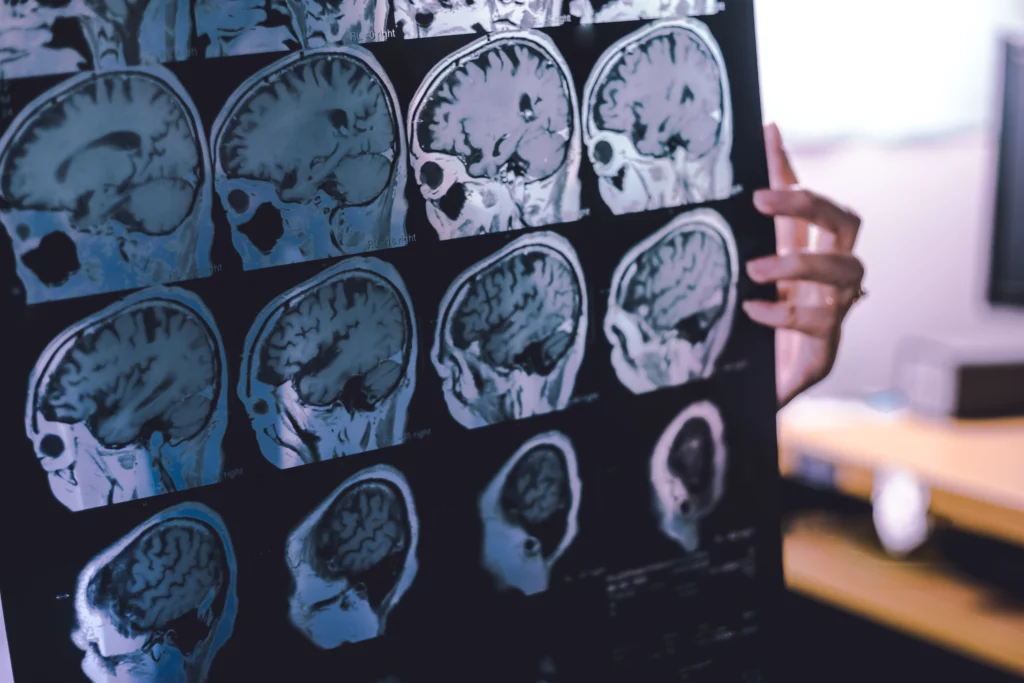
- Brain imaging when needed
The purpose is not just to “label” the problem. It is to understand the cause, rule out treatable issues, and create the right plan.
When memory problems need urgent medical attention

Not every memory concern is an emergency, but some situations need urgent care.
Seek immediate medical attention if memory changes are:
- Sudden rather than gradual
- Associated with weakness, facial drooping, or slurred speech
- Accompanied by a seizure
- Paired with severe headache
- Following a head injury
- Associated with sudden confusion, major behavior change, or collapse
A sudden change in memory or thinking can point to stroke, infection, seizure-related conditions, or other urgent neurological problems.