
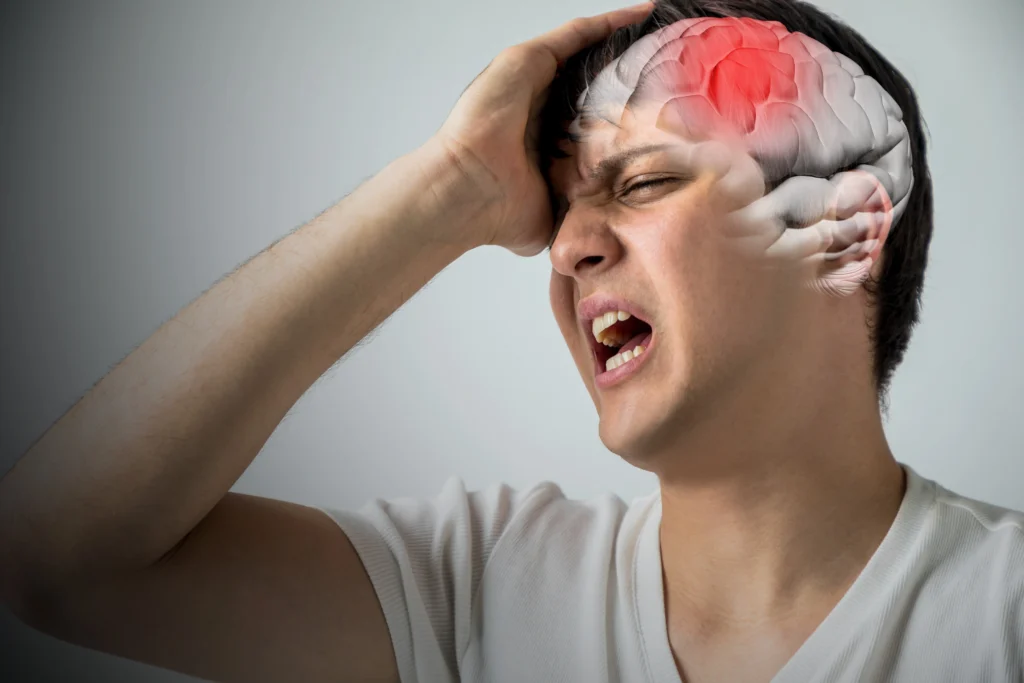
Sudden weakness, slurred speech, confusion, staring, jerking, or loss of awareness can be frightening, especially when you do not know whether the episode was a TIA, a stroke, or a seizure. These conditions can look similar at first, but they do not mean the same thing and they are not treated the same way.
A stroke happens when blood flow to part of the brain is blocked or a blood vessel bleeds. A TIA, often called a mini-stroke, is a temporary interruption of blood flow that causes stroke-like symptoms but does not leave lasting brain injury. A seizure is different: it is caused by abnormal electrical activity in the brain and is more likely to cause jerking, staring, unusual sensations, loss of awareness, or confusion afterward.
The most important point is this: if symptoms are sudden, one-sided, affect speech or vision, or involve a new loss of awareness, do not try to sort it out at home. If there is any chance it could be a stroke or TIA, seek emergency care right away, even if the symptoms improve.
Medically guided by Dr. Siddharth Kharkar
Trusted neurological guidance that turns complex symptoms into clear next steps. Focused on helping patients and families recognize TIA, stroke, and seizure warning signs early so they can seek the right care without delay.
A quick answer: the main difference between TIA, stroke, and seizure
If you want the shortest practical answer, here it is.
A stroke is a blood flow emergency in the brain and can cause lasting damage if treatment is delayed. A TIA is also a blood flow problem, but the blockage is temporary and the symptoms fully resolve. A seizure is an electrical event in the brain and is more likely to involve abnormal movements, staring, loss of awareness, unusual sensations, or confusion after the episode.
At a glance
- TIA: Temporary stroke-like symptoms that go away, but still need urgent evaluation because they can warn of a future stroke.
- Stroke: A blocked or bleeding blood vessel in the brain that can cause permanent injury if not treated quickly.
- Seizure: Abnormal electrical activity in the brain, often causing jerking, staring, altered awareness, or confusion afterward.
In real life, the distinction is not always obvious in the moment. That is why sudden neurological symptoms should be treated seriously even when they seem to settle quickly.
When to call emergency services right away
Call emergency services or go to the emergency room right away if symptoms begin suddenly and include:
- facial drooping
- weakness or numbness on one side
- slurred speech or trouble speaking
- difficulty understanding words
- sudden loss of vision or double vision
- severe dizziness or trouble walking
- a first seizure
- loss of awareness
- confusion that does not clear quickly
Use FAST or BE-FAST for sudden stroke-like symptoms
FAST stands for:
- Face drooping
- Arm weakness
- Speech difficulty
- Time to get emergency help
Some doctors also use BE-FAST, which adds:
- Balance problems
- Eyesight changes
Why symptoms that go away can still be dangerous

This is one of the biggest reasons TIAs are missed. People often feel relieved when the weakness, speech problem, or visual change passes after a few minutes. But a TIA is still a warning sign and needs urgent assessment because the risk of stroke may be highest soon afterward.
What is a TIA, a stroke, and a seizure?
What is a transient ischemic attack (TIA)?
A TIA, or transient ischemic attack, is a short-lived interruption of blood flow to the brain. It causes symptoms similar to a stroke, but the symptoms resolve and it usually does not cause permanent brain damage. Even so, it should never be dismissed as harmless.
What is a stroke?
A stroke happens when part of the brain loses blood supply or a blood vessel in the brain ruptures. This can quickly injure brain tissue. The longer treatment is delayed, the greater the risk of lasting disability.
What is a seizure?
A seizure is caused by abnormal electrical activity in the brain. Depending on where it starts and how it spreads, it may look dramatic with jerking and collapse, or subtle with staring, confusion, lip-smacking, odd sensations, or brief unresponsiveness.
TIA vs stroke vs seizure symptoms: what clues help tell them apart?
Symptoms that can overlap
One reason this topic is so confusing is that all three can affect normal brain function. Depending on the area of the brain involved, TIA, stroke, and seizure may all present with weakness, speech difficulty, visual symptoms, confusion, or changes in awareness.
Clues that suggest stroke or TIA
Stroke and TIA often cause what doctors think of as loss-of-function symptoms. In plain language, something suddenly stops working normally. A person may lose strength in one arm, lose words, lose part of vision, or develop one-sided facial droop.
These clues make stroke or TIA more likely:
- sudden one-sided weakness or numbness
- facial asymmetry
- slurred speech
- trouble finding words
- sudden loss of vision
- sudden imbalance with other neurological symptoms
A TIA may look exactly like a stroke while it is happening. The difference is only clear afterward if the symptoms completely resolve and no lasting injury is found. That is why you should never assume “it passed, so it was nothing.”
Clues that suggest seizure
Seizures are more likely to produce added abnormal activity rather than just loss of function. These symptoms may include:
- rhythmic jerking
- stiffening
- staring spells
- repetitive chewing or lip-smacking
- sudden unresponsiveness
- unusual smells, tastes, or a rising sensation before the episode
- confusion, fatigue, or temporary weakness afterward
One especially useful clue is what happens after the event. If a person is sleepy, disoriented, or temporarily weak afterward, seizure becomes more likely. That post-event period is often called the postictal state.
Why a TIA can be mistaken for a seizure and vice versa
A seizure can sometimes leave temporary weakness afterward, which can resemble stroke. A TIA can be very brief and may be gone by the time the person reaches the hospital, which can falsely lower the sense of urgency. This overlap is exactly why the diagnosis sometimes depends on imaging, detailed history, and neurological review rather than symptoms alone.
The fastest way to compare them
Feature | TIA | Stroke | Seizure |
What it is | Temporary interruption of blood flow | Ongoing blockage or bleeding in the brain | Abnormal electrical activity in the brain |
Typical symptom pattern | Stroke-like symptoms that resolve | Stroke-like symptoms that persist or evolve | Abnormal movements, staring, altered awareness, or post-event confusion |
Weakness or speech trouble | Common | Common | Possible, but often with other seizure clues |
Loss of awareness | Less typical | Can happen in severe cases | More common |
What happens afterward | Symptoms often clear | Deficits may remain | Confusion, fatigue, or temporary weakness may follow |
Urgency | Emergency evaluation needed | Medical emergency | Urgent evaluation needed, especially if first-time or unexplained |
This table is useful for orientation, but it is not a home diagnosis tool. If the event is sudden and unexplained, medical evaluation is still the safest step.
How neurologists tell the difference
The history and exam
The story of the event matters a great deal. A neurologist will usually ask:
- How did the symptoms start?
- Did they come all at once or build up?
- Was there jerking, staring, or an unusual sensation first?
- Did the person remain aware?
- Was there confusion afterward?
- Have similar episodes happened before in the same way?
This pattern-based history often gives the first important clue, especially when seizure is being confused with TIA or stroke.
Imaging tests such as CT and MRI

A CT scan is often done first in emergency settings because it is fast and helps identify bleeding or other urgent causes. An MRI may help detect a small stroke or confirm whether there has been brain injury.
When EEG, heart testing, or vascular imaging is needed
If seizure is suspected, an EEG may be used to look for abnormal brain electrical activity. If TIA or stroke is suspected, doctors may also check the blood vessels of the neck and brain, and look for heart rhythm problems or other sources of clots.
What happens after diagnosis
If it turns out to be a TIA
The main goal after a TIA is preventing a future stroke. Treatment may include medication, risk-factor control, blood pressure management, cholesterol treatment, diabetes control, and evaluation of the heart and arteries.
If it turns out to be a stroke
Stroke treatment depends on the cause and the timing. Some patients need clot-busting treatment or procedures to remove a clot, while others need treatment for bleeding, blood pressure control, and rehabilitation planning.
If it turns out to be a seizure
A first seizure usually needs a proper explanation, not just reassurance. Follow-up may include EEG, brain imaging, blood tests, and a decision about whether antiseizure medication is needed. Treatment depends on the cause, recurrence risk, and the type of seizure involved.
When should you book a neurology consultation?
You should arrange neurological follow-up if:
- you had a suspected TIA or stroke-like event
- you had a first seizure
- you keep having brief spells of weakness, speech trouble, staring, or confusion
- scans were normal but the event was concerning
- symptoms are recurring and no one has explained why
The goal of consultation is not only to name the event. It is to understand why it happened, estimate the risk of recurrence, and create a treatment plan that reduces the chance of another emergency.