
Trusted neurological guidance that turns complex nerve symptoms into clear next steps.
This article is medically guided by Dr. Siddharth Kharkar and is focused on helping patients and families recognize sciatica vs neuropathy warning signs early, understand when symptoms may need medical evaluation, and avoid delays in the right diagnosis.
Nerve pain should not be ignored when it is persistent, worsening, associated with weakness, or affecting balance. A careful neurological evaluation can help separate spine-related nerve compression from peripheral nerve damage.
Sciatica vs Neuropathy
Sciatica usually causes pain that starts in the lower back or buttock and travels down one leg. It is often linked to irritation or compression of the sciatic nerve pathway or the lumbar nerve roots that contribute to it. Mayo Clinic describes sciatica as pain that travels along the path of the sciatic nerve and commonly occurs when a herniated disk or bone overgrowth puts pressure on lumbar nerve roots.
Neuropathy usually means damage or dysfunction of peripheral nerves. It often begins in the feet or hands and may cause burning, tingling, numbness, stabbing pain, weakness, balance problems, or unusual sensitivity to touch. Peripheral neuropathy has many possible causes, including diabetes, infections, metabolic conditions, autoimmune diseases, inherited causes, traumatic injury, and toxin exposure.
In simple terms, sciatica is often a nerve compression or irritation problem coming from the spine or sciatic nerve pathway. Neuropathy is often a peripheral nerve damage problem.
Both can cause nerve pain, tingling, numbness, and burning. The pattern of symptoms gives important clues, but it does not replace a medical diagnosis.
Sciatica vs Neuropathy at a Glance
Feature | Sciatica | Neuropathy |
Usual symptom pattern | Pain starts in the lower back or buttock and travels down one leg | Tingling, burning, numbness, or pain often starts in both feet or hands |
Common pain type | Sharp, shooting, electric, radiating pain | Burning, prickling, stabbing, numb, or pins-and-needles feeling |
One side or both sides | Usually one-sided | Often both-sided or symmetrical |
Back pain | Common, though not always present | Not always present |
Common trigger | Sitting, bending, coughing, sneezing, lifting, or driving may worsen pain | Symptoms may be constant or worse at night |
Main cause | Nerve root irritation, herniated disc, spinal stenosis, bone spur, or sciatic nerve irritation | Diabetes, vitamin deficiency, autoimmune disease, thyroid/kidney issues, toxins, medicines, chemotherapy, infections, or inherited causes |
Diagnosis may involve | Neurological exam, straight-leg raise test, MRI when needed, EMG/NCS in selected cases | Neurological exam, blood tests, EMG, nerve conduction study, and sometimes imaging |
Treatment direction | Relieve nerve irritation or compression and address the spine-related cause | Identify and manage the cause of nerve damage while controlling symptoms |
This table is a guide, not a final diagnosis.
Some patients can have both sciatica and neuropathy at the same time. That is why persistent or unclear symptoms should be evaluated carefully.
Why the Difference Matters
The same symptom can come from different causes.
Tingling in the foot may happen because a nerve root is compressed in the lower back. It may also happen because peripheral nerves are affected by diabetes, vitamin B12 deficiency, thyroid disease, kidney disease, medicines, chemotherapy, alcohol use, autoimmune illness, or another medical condition.
This is why self-diagnosis can be misleading. A patient with sciatica may need spine-focused treatment, posture correction, guided physiotherapy, pain control, or further evaluation for nerve compression.
A patient with neuropathy may need blood sugar control, vitamin correction, medication review, nerve pain medicines, balance therapy, foot protection, or treatment of an underlying medical condition.
The goal is not only to reduce pain. The goal is to protect nerve function and prevent avoidable worsening.
What Is Sciatica?
Sciatica is nerve pain that follows the sciatic nerve pathway. The sciatic nerve travels from the lower back through the buttock and down the leg.
Sciatica often happens when a nerve root in the lower spine is irritated or compressed. This may happen because of a herniated disc, spinal stenosis, bone spur, disc degeneration, or other spine-related changes.
Many patients describe sciatica as a line of pain. It may start in the lower back or buttock and travel through the thigh, calf, or foot.
Common Symptoms of Sciatica
Sciatica symptoms may include:
- Lower back pain
- Buttock pain
- Pain down one leg
- Sharp or shooting pain
- Electric shock-like pain
- Burning pain along the leg
- Tingling in one leg or foot
- Numbness in one leg or foot
- Weakness in part of the leg or foot
- Pain that worsens with sitting, bending, coughing, sneezing, lifting, or driving
Sciatica usually affects one side of the body. Cleveland Clinic notes that sciatica can involve pain, tingling, or numbness in the back or buttock that radiates down the leg, and symptoms may also be felt in the feet or toes.
Common Causes of Sciatica
Common causes of sciatica include:
- Herniated disc
- Bulging disc
- Spinal stenosis
- Bone spur
- Degenerative disc disease
- Spondylolisthesis
- Piriformis-related irritation
- Injury or trauma
- Rarely, infection, tumor, or other serious causes
Sciatica does not always mean surgery is needed. However, progressive weakness, severe nerve compression, or bladder and bowel symptoms require urgent attention.
What Is Neuropathy?
Neuropathy means nerve damage or nerve dysfunction.
When people say “neuropathy,” they often mean peripheral neuropathy. This affects nerves outside the brain and spinal cord. Peripheral nerves help carry signals for sensation, movement, pain, temperature, balance, sweating, blood pressure, digestion, and bladder function.
Peripheral neuropathy can affect sensory nerves, motor nerves, and autonomic nerves. This is why symptoms may include pain, numbness, weakness, balance trouble, or body-function changes depending on which nerves are involved.
Common Symptoms of Neuropathy
Neuropathy symptoms may include:
- Burning feet
- Tingling in the toes or fingers
- Numbness in both feet
- Pins-and-needles sensation
- Stabbing, prickling, or freezing pain
- Pain from light touch
- Feeling like socks are on when they are not
- Poor balance, especially in darkness
- Weakness or cramps
- Foot injuries that are not felt properly
- Sweating, digestion, blood pressure, or bladder symptoms in some cases
Neuropathy often begins gradually. It may start in the toes and slowly move upward.
Common Causes of Peripheral Neuropathy
Common causes of peripheral neuropathy include:
- Diabetes
- Vitamin B12 deficiency
- Thyroid disease
- Kidney disease
- Liver disease
- Autoimmune disease
- Infections
- Chemotherapy
- Certain medicines
- Alcohol-related nerve damage
- Toxin exposure
- Nerve injury
- Inherited nerve disorders
- Unknown causes in some patients
Diabetes is one of the most common causes of peripheral neuropathy. People with peripheral neuropathy often describe pain as stabbing, burning, or tingling.
Key Differences Between Sciatica and Neuropathy Symptoms
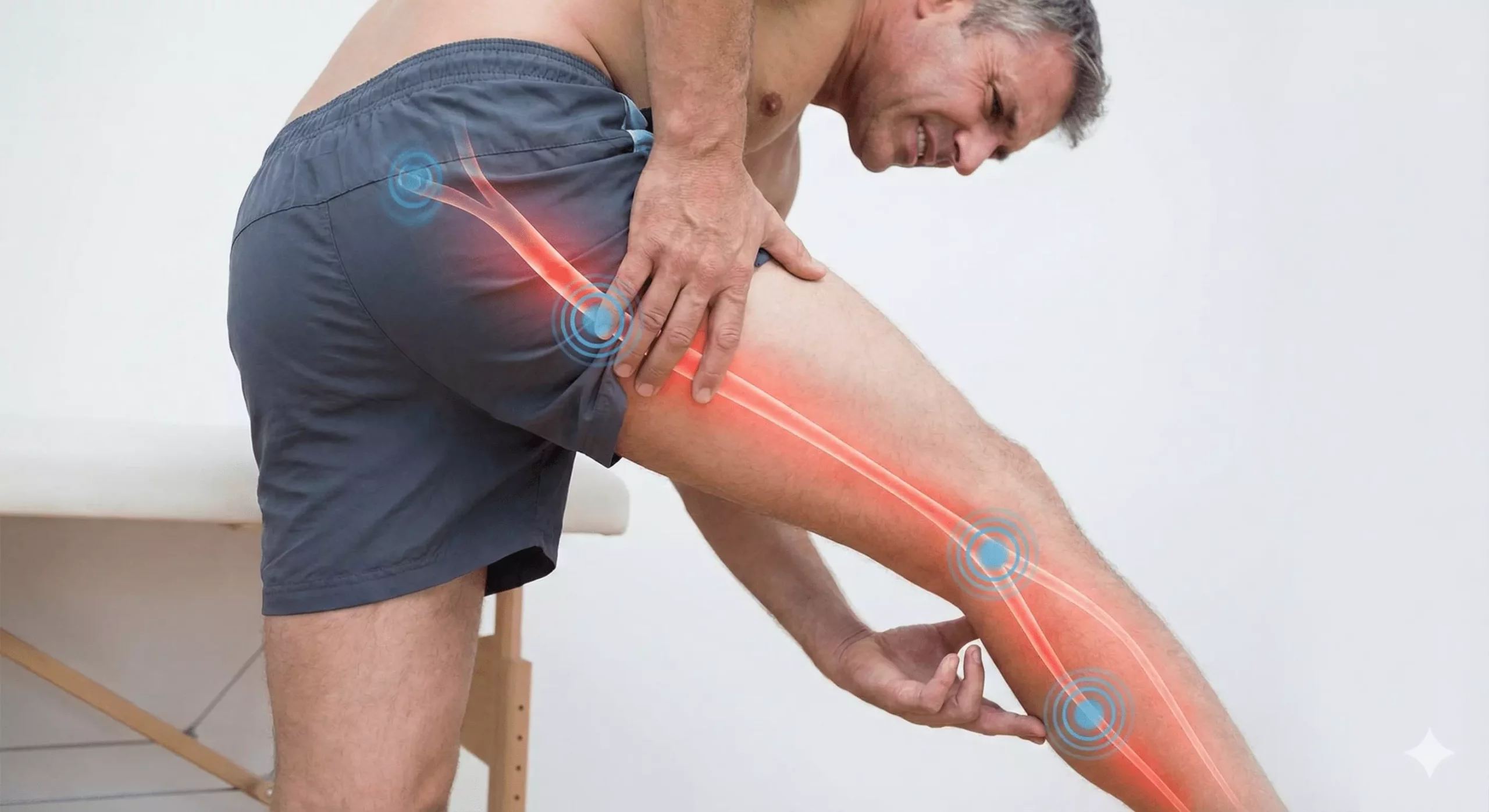
The most useful clue is not only what you feel.
It is where the symptom starts, how it travels, whether it affects one side or both sides, and what makes it better or worse.
Location of Pain
Sciatica often starts in the lower back or buttock. It may travel down the back or side of one leg.
Neuropathy often starts farther away from the spine. It commonly begins in the toes, feet, or fingers.
If the pain follows a clear line from the lower back into one leg, sciatica becomes more likely. If symptoms start in both feet and gradually move upward, neuropathy becomes more likely.
One-Sided vs Both-Sided Symptoms
Sciatica is usually one-sided.
One leg is often more affected than the other. The pain may travel down the thigh, calf, or foot.
Neuropathy is often more symmetrical. Both feet may burn, tingle, or feel numb in a similar pattern.
This is helpful, but not absolute. Some people can have overlapping conditions.
Pain Type: Shooting vs Burning
Sciatica often feels sharp, shooting, electric, or radiating.
Patients may describe it as a current running down the leg. It may become worse with coughing, sneezing, bending, sitting, or lifting.
Neuropathy often feels burning, prickling, stabbing, freezing, numb, or like pins and needles.
Patients may say their feet feel hot, wrapped, swollen, or covered by invisible socks.
Triggers and Timing
Sciatica often changes with position.
Sitting, bending forward, coughing, sneezing, lifting, or long driving may worsen symptoms. Some patients feel better when standing or walking gently, while others may worsen with prolonged activity.
Neuropathy is often less posture-dependent.
It may be more constant. It may also feel worse at night, especially when the feet are resting.
Weakness, Balance, and Sensory Changes
Both sciatica and neuropathy can cause weakness, but the pattern may differ.
Sciatica may cause weakness in a specific leg or foot movement. For example, a patient may struggle to lift the foot, stand on the toes, or walk normally.
Neuropathy may cause reduced sensation in the feet, balance problems, falls, or unnoticed foot injuries. Cleveland Clinic notes that peripheral neuropathy can involve tingling, numbness, imbalance, clumsiness, and pain due to abnormal nerve signaling.
Weakness is important. Progressive weakness should not be ignored.
Can You Have Both Sciatica and Neuropathy?
Yes, you can have both.
A person with diabetes may have peripheral neuropathy in both feet and also develop sciatica from a herniated disc or spinal stenosis. An older adult may have age-related spine narrowing and peripheral nerve damage at the same time.
This can make symptoms confusing.
There may be burning in both feet due to neuropathy and shooting pain down one leg due to sciatica. In such cases, a careful neurological examination and selected tests can help identify how much each condition is contributing.
This is why the article title sciatica vs neuropathy should not be understood as a strict either-or choice. Some patients need evaluation for more than one nerve problem.
How a Neurologist Diagnoses the Cause of Nerve Pain
A neurologist does not diagnose nerve pain only by listening to the pain description.
The evaluation includes symptom pattern, medical history, neurological examination, and tests when needed.
Neurological Examination
A neurological examination may include:
- Reflex testing
- Muscle strength testing
- Sensation testing
- Gait and balance assessment
- Coordination testing
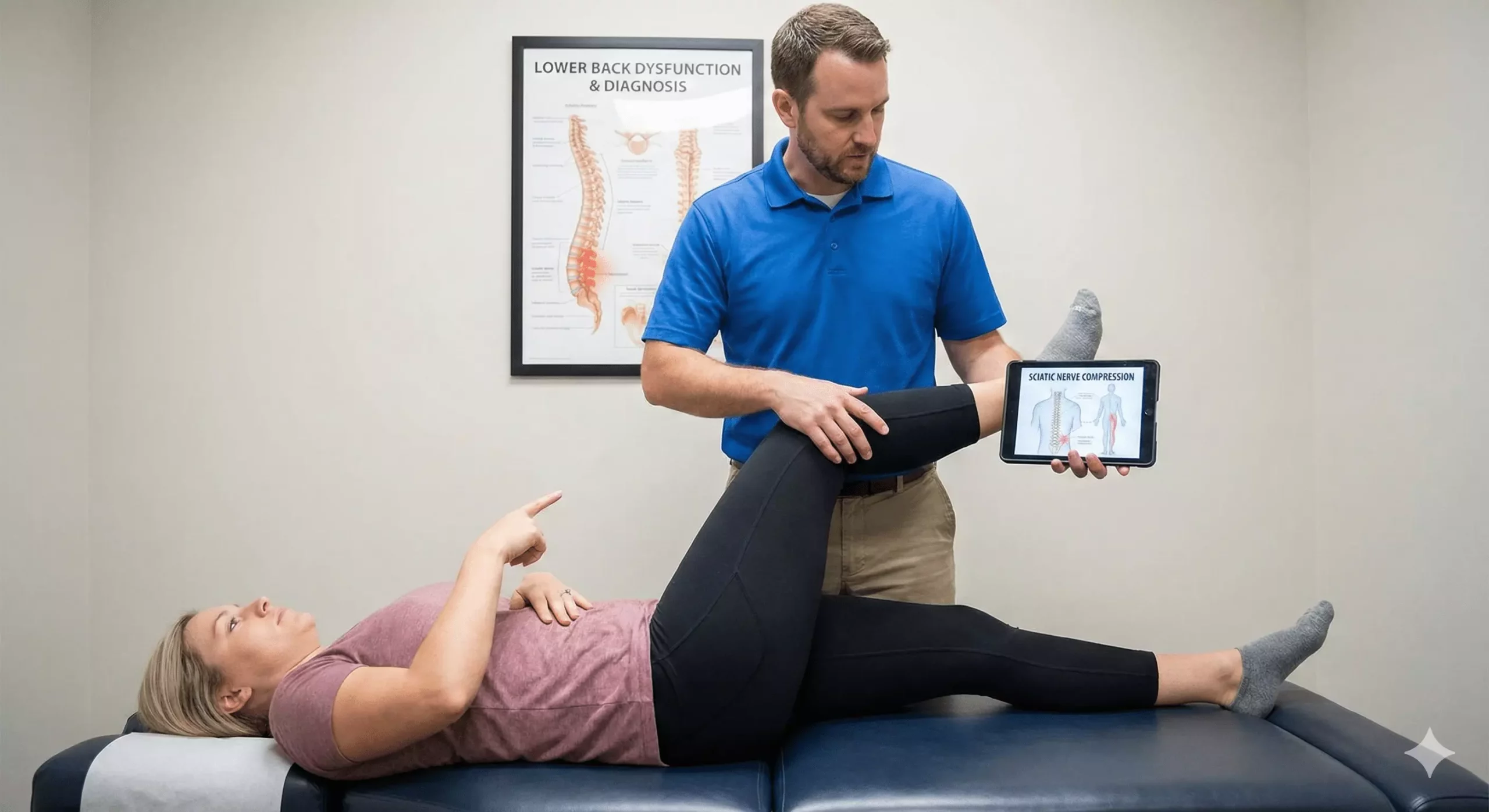
- Straight-leg raise test when sciatica is suspected
- Checking for foot drop
- Checking the pattern of numbness or pain
- Looking for signs of nerve root, spinal cord, or peripheral nerve involvement
This examination helps decide whether the symptoms fit sciatica, neuropathy, radiculopathy, spinal cord disease, or another neurological condition.
MRI, EMG, and Nerve Conduction Study
MRI is useful when a spine-related cause is suspected. It may show disc herniation, spinal stenosis, bone spur, tumor, infection, or another structural cause.
EMG and nerve conduction studies help evaluate nerve and muscle function. Mayo Clinic notes that peripheral neuropathy diagnosis may include blood tests, neurological examination, imaging such as CT or MRI, nerve function tests, electromyography, and nerve conduction studies.
These tests can help separate nerve root compression from peripheral nerve damage.
Not every patient needs every test. The right test depends on the symptom pattern and examination findings.
Blood Tests and Medical History
Blood tests may be important when neuropathy is suspected.
A doctor may check blood sugar or HbA1c, vitamin B12, thyroid function, kidney function, liver function, inflammation, autoimmune markers, or other tests depending on the case.
Your history also matters.
Tell your doctor if you have diabetes, chemotherapy exposure, alcohol use, gastric surgery, long-term medicines, autoimmune disease, infections, or family history of nerve disease.
Treatment: Why the Right Diagnosis Comes First
Treatment should match the cause.
Treating every leg pain as sciatica can miss neuropathy. Treating every burning foot as neuropathy can miss nerve compression in the spine.
This is why diagnosis comes before treatment planning.
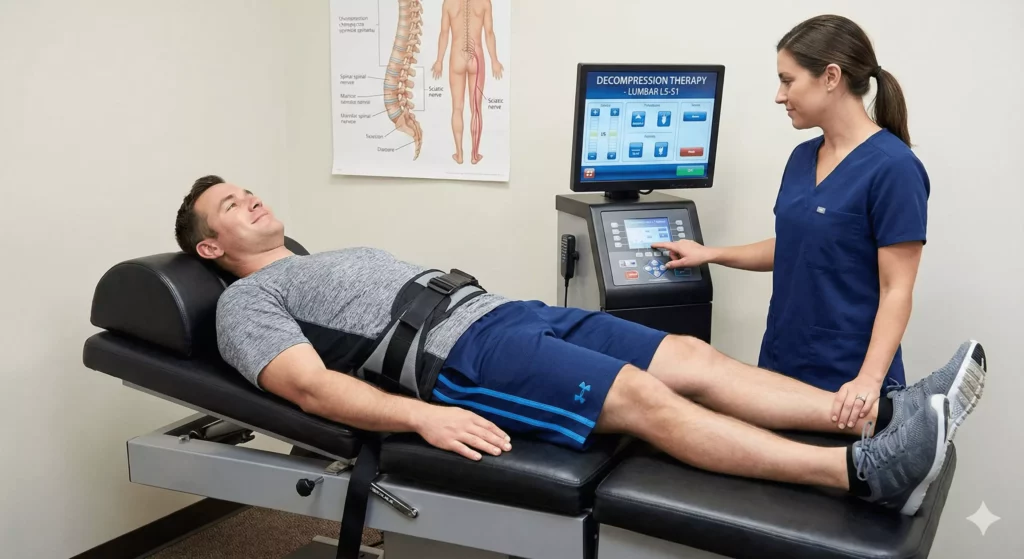
Treatment Approach for Sciatica
Sciatica treatment may include:
- Short-term activity modification
- Guided physiotherapy
- Posture correction
- Core strengthening
- Pain-relieving medicines when appropriate
- Nerve pain medicines in selected patients
- Epidural injection or nerve root block in selected cases
- Surgery when there is severe compression, progressive weakness, cauda equina syndrome, or symptoms that do not improve with appropriate care
Many cases improve with conservative care, but severe or progressive symptoms need timely medical attention. Mayo Clinic notes that people with severe sciatica and serious leg weakness or bowel or bladder changes might need surgery.
Treatment Approach for Neuropathy
Neuropathy treatment depends on the cause.
A patient with diabetic neuropathy needs blood sugar management and foot protection. A patient with vitamin B12 deficiency may need correction of the deficiency. A patient with medicine-related neuropathy may need medication review.
Treatment may include:
- Managing diabetes and metabolic risk factors
- Correcting vitamin deficiencies
- Reviewing medicines that may affect nerves
- Treating thyroid, kidney, autoimmune, infectious, or inflammatory causes
- Nerve pain medicines when required
- Balance training and fall prevention
- Foot care, especially in diabetes
- Physiotherapy for strength, gait, and safety
- Long-term monitoring when needed
Mayo Clinic notes that medicines may reduce peripheral neuropathy pain, but treatment also depends on addressing the underlying cause when possible.
If numbness, weakness, or walking imbalance is progressive, it is important to rule out other neurological problems, including spinal cord warning signs.
When to Seek Urgent Medical Care
Do not wait for a routine appointment if you have warning signs.
Seek urgent medical care if you have:
- Sudden weakness in one or both legs
- New foot drop
- Loss of bladder or bowel control
- Numbness in the groin or saddle area
- Rapidly worsening numbness
- Severe back or leg pain after an accident or fall
- Fever with back pain
- Unexplained weight loss with nerve pain
- New difficulty walking
- Severe progressive symptoms
Mayo Clinic advises immediate medical care for sciatica when there is sudden numbness or muscle weakness in a leg, pain after violent injury, or trouble controlling bowels or bladder.
Peripheral neuropathy should also be evaluated early when tingling, weakness, or pain appears in the hands or feet. Early diagnosis and treatment can help manage symptoms and may help prevent further nerve damage depending on the cause.
What to Note Before Your Appointment
Before meeting a neurologist, write down a few details.
This helps your doctor understand whether the pattern looks more like sciatica, neuropathy, or another neurological condition.
Note:
- Where the symptom starts
- Whether one leg or both feet are affected
- Whether lower back pain is present
- Whether pain travels down the leg
- Whether sitting, bending, coughing, or sneezing worsens it
- Whether symptoms are worse at night
- Whether you have diabetes or high blood sugar
- Whether you take long-term medicines
- Whether you have had chemotherapy
- Whether you consume alcohol regularly
- Whether you have balance problems
- Whether you have weakness or foot drop
- Whether symptoms are spreading
- Whether bladder or bowel control has changed
A clear symptom history often shortens the path to the right diagnosis.