
Stroke is often thought of as a condition that affects older people. But younger adults can also have a stroke, and the early signs are sometimes missed because the person looks “too young” to be at risk.
The most important thing to remember is this: stroke symptoms usually appear suddenly. If you or someone near you develops sudden weakness, facial drooping, speech difficulty, vision changes, balance problems, confusion, or a severe unexplained headache, treat it as an emergency.
If symptoms are happening right now, do not wait for a clinic appointment. Seek emergency medical help immediately.
Medically Guided by Dr. Siddharth Kharkar
Trusted neurological guidance that turns complex symptoms into clear next steps. Focused on helping patients and families recognize stroke warning signs in younger adults early so they can seek the right care without delay.
This article is written in a patient-first way for people who are worried about stroke, TIA, seizure-like episodes, sudden neurological symptoms, or unexplained changes in speech, vision, movement, balance, or awareness.
Quick Answer: What Are the Stroke Warning Signs in Younger Adults?
The main stroke warning signs in younger adults are sudden weakness or numbness on one side of the body, face drooping, slurred speech, trouble understanding words, sudden vision changes, loss of balance, dizziness, confusion, or a sudden severe headache.
Use the BE FAST rule: Balance, Eyes, Face, Arms, Speech, and Time. If any of these symptoms appear suddenly, emergency care is needed.
Even if the symptoms disappear within minutes, they may still be a TIA, often called a mini stroke. A TIA should not be ignored because it can be a warning sign of a future stroke.
At a Glance: Stroke Symptoms That Need Urgent Attention
Seek emergency medical help if any of these symptoms appear suddenly:
Warning sign | What it may look like |
Face drooping | One side of the face looks uneven or does not move normally |
Arm weakness | One arm feels weak, heavy, numb, or drifts downward |
Speech difficulty | Slurred speech, confused words, or trouble understanding speech |
Vision changes | Blurred vision, double vision, or loss of vision in one or both eyes |
Balance problems | Sudden dizziness, unsteadiness, or trouble walking |
One-sided numbness | Numbness or tingling on one side of the face, arm, or leg |
Confusion | Sudden difficulty thinking clearly or responding normally |
Severe headache | A sudden, intense headache with no clear cause |
Symptoms that pass quickly | Possible TIA or mini stroke, especially if symptoms were sudden |
Do not try to decide at home whether this is a stroke, migraine, seizure, anxiety, low sugar, or fatigue. Sudden neurological symptoms need urgent medical evaluation.
Use BE FAST to Recognize Stroke Symptoms
BE FAST is a simple way to remember the major warning signs of stroke. It is especially useful because stroke symptoms can be confusing, frightening, or easy to dismiss in a younger adult.
B — Balance Problems
A stroke can cause sudden loss of balance, dizziness, or trouble walking. The person may look unsteady, lean to one side, or feel as if the room is spinning.
Balance problems are sometimes mistaken for weakness, dehydration, vertigo, or tiredness. But if the change is sudden, especially with other symptoms, it should be treated seriously.
E — Eye or Vision Changes
Sudden blurred vision, double vision, loss of vision, or difficulty seeing from one side can be a stroke warning sign. Vision symptoms may affect one eye or both eyes.
Younger adults may assume this is due to screen strain, migraine, or lack of sleep. But sudden visual change, especially with weakness, speech difficulty, or imbalance, needs urgent attention.
F — Face Drooping
Face drooping is one of the most recognized signs of stroke. One side of the face may look lower, feel numb, or fail to move normally when the person smiles.
This can be subtle. A person may only notice that their smile looks uneven, saliva is leaking from one side, or their face feels strange.
A — Arm Weakness
Arm weakness may feel like heaviness, clumsiness, numbness, or inability to lift one arm properly. Sometimes the weakness affects the leg on the same side too.
A simple clue is whether one arm drifts downward when both arms are raised. Sudden one-sided weakness is one of the most important signs of stroke.
S — Speech Difficulty
Speech symptoms may include slurred speech, difficulty finding words, speaking in confused sentences, or not understanding what others are saying.
A younger adult may seem sleepy, distracted, intoxicated, or anxious. But sudden speech difficulty is a neurological red flag.
T — Time to Get Emergency Help
Time matters in stroke care. Do not wait to see whether symptoms improve.
Note the time when symptoms began. This information can help the emergency team decide which treatments may be possible.
Why Stroke Warning Signs Are Often Missed in Younger Adults
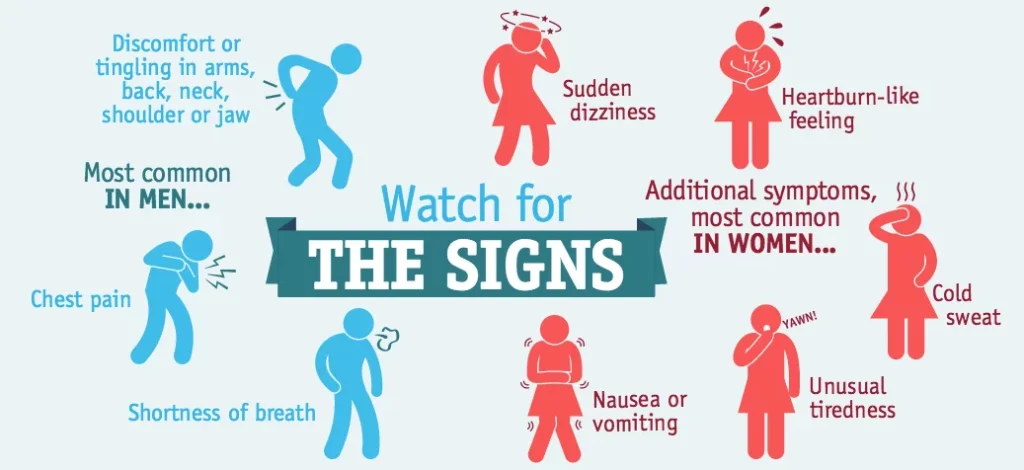
Stroke in young adults is often missed because people do not expect it. A person in their 20s, 30s, or 40s may assume sudden symptoms are caused by stress, migraine, panic, acidity, fatigue, lack of sleep, or low blood sugar.
Families may also wait because the person “looks young and healthy.” This delay can be dangerous.
Younger adults may also have symptoms that come and go. If the weakness, numbness, speech problem, or vision change improves, they may decide not to seek care.
That is risky. Temporary symptoms can still mean that blood flow to part of the brain was briefly reduced.
Can Temporary Symptoms Be a TIA or Mini Stroke?
Yes. A transient ischemic attack, or TIA, can cause stroke-like symptoms that improve within minutes or hours.
People often call this a mini stroke, but the word “mini” can be misleading. The symptoms may pass, but the warning is serious.
TIA symptoms may include:
- Sudden one-sided weakness
- Face drooping
- Slurred speech
- Sudden numbness
- Temporary vision loss
- Sudden confusion
- Balance difficulty
- Trouble understanding words
A TIA does not mean you are safe because symptoms disappeared. It means you need medical evaluation to understand why it happened and how to reduce the risk of a future stroke.
TIA, Seizure, or Stroke: Why the Difference Is Not Always Obvious
Some stroke symptoms can look like seizure symptoms. Some seizure symptoms can look like stroke symptoms.
For example, after a seizure, a person may have temporary weakness, confusion, speech difficulty, or tiredness. A TIA or stroke may also cause weakness, speech difficulty, confusion, or changes in awareness.
This is why self-diagnosis is unsafe.
A neurologist may consider several details:
- Did the symptoms start suddenly?
- Was there shaking or jerking?
- Was the person aware during the episode?
- Did weakness affect one side?
- Did speech become slurred or confused?
- Did symptoms fully recover?
- How long did the episode last?
- Were there previous similar episodes?
- Are there risk factors such as high blood pressure, diabetes, smoking, migraine, heart disease, or clotting problems?
If there is confusion between TIA, seizure, and stroke, a proper neurological evaluation is important. The right diagnosis changes the treatment plan.
For patients trying to understand TIA vs stroke vs seizure, the safest approach is to treat sudden symptoms urgently first and investigate the cause afterward.
Stroke Symptoms in Younger Adults That Should Never Be Ignored
Some symptoms should always be treated as urgent when they appear suddenly. This is true even if the person is young, active, or has no known medical history.
Sudden Weakness or Numbness on One Side
Sudden weakness or numbness affecting one side of the face, arm, or leg is a major warning sign.
It may feel like heaviness, tingling, loss of control, or clumsiness. The person may drop objects, drag one foot, or feel that one side of the body is not responding normally.
Trouble Speaking or Understanding Words
Speech symptoms can be frightening because the person may know what they want to say but cannot say it clearly.
They may speak slowly, use wrong words, repeat phrases, or fail to understand simple instructions. This should not be dismissed as tiredness or stress if it begins suddenly.
Sudden Vision, Balance, or Coordination Problems
Stroke can affect the parts of the brain involved in vision, balance, and coordination.
A person may suddenly have double vision, blurred vision, loss of side vision, dizziness, difficulty standing, or trouble walking straight. These symptoms are especially concerning when they occur with weakness, numbness, or speech difficulty.
Sudden Severe Headache
A sudden severe headache can sometimes be linked to bleeding in or around the brain, especially if it is the worst headache of the person’s life.
Seek emergency care if a severe headache appears suddenly, especially with vomiting, neck stiffness, weakness, fainting, confusion, seizure, or vision changes.
Why Can Stroke Happen in a Young Adult?
Stroke in younger adults can happen for many reasons. Some are lifestyle-related, while others are medical conditions that may not be obvious until investigated.
Possible risk factors include:
- High blood pressure
- Diabetes
- High cholesterol
- Smoking or vaping
- Obesity
- Sedentary lifestyle
- Sleep deprivation
- Excess alcohol
- Heart rhythm problems
- Structural heart conditions
- Blood clotting disorders
- Migraine with aura
- Autoimmune or inflammatory conditions
- Certain infections
- Pregnancy or postpartum-related risks
- Oral contraceptive-related clot risk in selected patients
- Family history of stroke
- Previous TIA
- Drug use, especially stimulant substances
Having one risk factor does not mean a stroke will definitely happen. But if a young adult has stroke-like symptoms, these risk factors help guide the evaluation.
What a Neurologist May Check After Stroke-Like Symptoms
After stroke-like symptoms, the goal is to confirm what happened, identify the cause, and reduce future risk.
A neurologist may recommend:
- Detailed symptom history
- Neurological examination
- Brain imaging such as CT or MRI
- Blood pressure assessment
- Blood tests for sugar, cholesterol, clotting, and inflammation
- Heart rhythm evaluation
- ECG or echocardiography when needed
- Imaging of blood vessels in the neck and brain
- EEG if seizure is suspected
- Medication review
- Risk-factor assessment
The evaluation depends on the patient’s symptoms, age, risk factors, and timing.
For patients who need structured neurological follow-up after stroke treatment, the priority is not only recovery but also prevention of another event.
What To Do If Stroke Warning Signs Appear
If stroke warning signs appear suddenly, act immediately.
Do this:
- Call emergency medical services.
- Do not drive yourself to the hospital.
- Note the exact time symptoms started.
- Keep a list of current medicines ready.
- Do not give food, drink, or tablets unless advised by emergency doctors.
- Do not wait for symptoms to improve.
- Seek evaluation even if symptoms disappear.
If symptoms happened earlier and have now resolved, do not ignore them. A TIA can be a serious warning sign.
A neurologist can help decide whether the episode was a TIA, seizure, migraine, fainting spell, or another neurological condition. The earlier the cause is understood, the better the prevention plan can be.