

Diabetic neuropathy symptoms often begin quietly. You may first notice burning in the feet, tingling in the toes, numbness, pain at night, or a strange “pins and needles” feeling that comes and goes.
For many people with diabetes, these symptoms are easy to dismiss at first. But when nerve symptoms persist, worsen, spread upward, affect walking, disturb sleep, or appear with foot wounds, they deserve timely medical attention.
As a neurologist, I often meet patients who have lived with these symptoms for months before seeking help. The aim of this article is to help you recognize diabetic nerve symptoms early, understand warning signs, and know when seeing a neurologist is the right next step.
Medically Guided by Dr. Siddharth Kharkar
Trusted neurological guidance that turns complex symptoms into clear next steps.
This article is focused on helping patients and families recognize diabetic neuropathy warning signs early, understand when symptoms may suggest progressing nerve damage, and seek the right neurological care without delay.
When Should You See a Neurologist for Diabetic Neuropathy Symptoms?
You should consider seeing a neurologist if diabetic neuropathy symptoms such as burning pain, tingling, numbness, weakness, balance trouble, or loss of sensation are persistent, worsening, spreading, or interfering with sleep and daily life.
A neurologist is especially important when the diagnosis is unclear, symptoms are progressing despite diabetes care, pain is difficult to control, or there are signs of weakness, falls, autonomic symptoms, or nerve involvement beyond simple foot tingling.
Seek urgent medical care if you have a foot wound with redness, swelling, pus, fever, sudden weakness, one-sided numbness, facial drooping, speech difficulty, fainting, loss of bladder or bowel control, seizure-like symptoms, or stroke-like symptoms.
Diabetic Neuropathy Symptoms at a Glance
Symptom or Situation | What It May Suggest | Recommended Next Step |
Burning feet or tingling toes | Early diabetic nerve irritation | Discuss with your doctor, especially if persistent |
Numbness in feet | Reduced nerve sensation | Do not ignore; check feet daily |
Pain worse at night | Nerve pain affecting sleep | Consider neurological evaluation |
Weakness in feet or ankles | Possible motor nerve involvement | See a neurologist |
Balance problems or falls | Loss of sensation or nerve function | See a neurologist promptly |
Foot wound, ulcer, redness, or swelling | Possible diabetic foot complication | Seek medical care urgently |
Symptoms spreading upward | Progressing neuropathy | Neurology evaluation is advisable |
Dizziness, fainting, bladder, or bowel changes | Possible autonomic nerve involvement | Medical evaluation is needed |
Sudden one-sided numbness or weakness | Possible stroke/TIA or other emergency | Seek emergency care immediately |
Diabetic neuropathy is not always painful. In fact, numbness can sometimes be more dangerous than pain because you may not feel a cut, blister, burn, or pressure injury on the foot.
That is why diabetic nerve symptoms should be understood early, even when they seem mild.
What Is Diabetic Neuropathy?
Diabetic neuropathy is nerve damage related to diabetes. Over time, high blood sugar can injure nerves and the small blood vessels that supply them, which may lead to pain, numbness, tingling, weakness, or loss of sensation.
The most common type is diabetic peripheral neuropathy. It usually affects the feet and legs first, and later may involve the hands and arms.
Some patients have mild symptoms. Others experience severe burning pain, difficulty walking, sleep disturbance, or foot complications.
How Diabetes Can Damage Nerves
Nerves need a healthy blood supply and stable metabolic conditions to function well. When blood sugar remains high for long periods, nerves may become irritated, injured, or less able to send signals properly.
This can create unusual sensations such as burning, tingling, electric-shock pain, pins and needles, or numbness.
In some people, diabetes-related nerve damage may also affect digestion, bladder control, sweating, blood pressure regulation, sexual function, or heart-rate responses. These are called autonomic symptoms.
Why Symptoms Often Start in the Feet
The longest nerves in the body are often affected first. That is why diabetic neuropathy commonly begins in the toes or soles of the feet.
Patients may describe the feeling as walking on cotton, wearing invisible socks, standing on hot sand, or having ants crawling under the skin.
These descriptions may sound unusual, but they are common ways patients explain nerve symptoms.
Early Symptoms of Diabetic Neuropathy
Early diabetic neuropathy symptoms can be subtle. They may come and go at first, which makes many patients delay evaluation.
You should pay attention when symptoms become frequent, appear on most days, or begin affecting comfort, sleep, walking, or confidence.
Tingling, Burning, or Pins and Needles
Tingling in the feet or toes is one of the most common early symptoms. It may feel like pins and needles, buzzing, prickling, or a mild electric sensation.
Burning feet may be more noticeable at night. Some patients feel the need to keep their feet outside the blanket because even light touch feels uncomfortable.
A related symptom pattern is burning feet, tingling, and numbness, especially when these sensations keep returning or slowly become stronger.
Numbness or Reduced Sensation
Numbness means the nerves are not carrying sensation normally. You may feel less aware of the floor, footwear, heat, cold, pressure, or minor injuries.
This symptom should not be ignored. A numb foot can develop a blister, cut, burn, or pressure sore without the patient realizing it.
If you have diabetes and numb feet, daily foot checks are not optional. They are a safety habit.
Pain That Feels Worse at Night
Diabetic nerve pain may become more noticeable when you lie down. Patients often say that daytime activity distracts them, but nighttime makes the burning, stabbing, or shooting pain feel stronger.
Pain that disturbs sleep deserves medical attention.
Poor sleep also worsens pain sensitivity, mood, fatigue, and diabetes self-care, so nerve pain should not be treated as a minor inconvenience.
Sensitivity to Touch
Some patients experience pain from light touch. Bedsheets, socks, footwear, or even gentle pressure may feel uncomfortable.
This symptom is called allodynia. It happens when the nervous system becomes unusually sensitive.
A neurologist can help assess whether this pattern fits diabetic nerve pain or whether another nerve condition may be contributing.
Symptoms That May Mean Diabetic Neuropathy Is Progressing
Not every tingling sensation means severe neuropathy. However, certain changes suggest that nerve involvement may be progressing.
Progression matters because earlier treatment can help reduce complications, improve comfort, and protect function.
Numbness Spreading Up the Feet or Legs
If numbness begins in the toes and slowly spreads to the feet, ankles, or legs, it may suggest that neuropathy is advancing.
This is especially important if both feet are affected in a similar “stocking-like” pattern.
A spreading pattern should be evaluated, especially if it is associated with pain, weakness, poor balance, or foot injuries.
Weakness, Tripping, or Balance Problems
Diabetic neuropathy can affect more than sensation. In some patients, it may also affect strength, coordination, and walking stability.
Warning signs include frequent tripping, dragging the feet, difficulty climbing stairs, ankle weakness, or feeling unsteady in the dark.
Balance problems are important because they increase the risk of falls. A neurologist can check whether the issue is due to neuropathy, muscle weakness, spinal disease, stroke-related problems, vestibular issues, or another neurological cause.
Pain That Affects Sleep or Daily Life
Nerve pain should be taken seriously when it affects sleep, work, walking, exercise, mood, or daily activity.
Some patients keep tolerating pain because they assume it is “part of diabetes.” That is not the right approach.
Even when nerve damage cannot always be fully reversed, symptoms can often be managed better with a structured plan.
Injuries You Do Not Feel
If you find cuts, blisters, burns, cracked skin, or wounds on your feet but do not remember getting injured, reduced sensation may be the reason.
This is a major warning sign.
Loss of protective sensation increases the risk of diabetic foot ulcers and infections. Foot complications can often be prevented or reduced with careful monitoring, proper footwear, blood sugar control, and timely care. CDC guidance also emphasizes the role of foot exams and early management in preventing complications.
When to See a Neurologist for Diabetic Neuropathy
You should see a neurologist for diabetic neuropathy when symptoms are persistent, progressive, painful, unusual, or affecting function.
A neurologist evaluates the nerves directly. The goal is not only to confirm diabetic neuropathy, but also to understand its type, severity, pattern, and whether another treatable condition is contributing.
Symptoms Are Persistent or Getting Worse
Occasional tingling may not always mean serious nerve damage. But symptoms that keep returning, last for weeks, or gradually worsen should be assessed.
This is particularly important if symptoms are spreading, becoming painful, or affecting both feet.
A neurological evaluation can help identify whether the symptoms fit diabetic peripheral neuropathy or another nerve disorder.
Pain, Burning, or Numbness Is Affecting Sleep
Sleep-disrupting nerve pain is a valid medical concern.
If burning, stabbing, shooting, or electric-shock pain keeps you awake, wakes you from sleep, or makes you afraid to lie down, you should not continue self-managing without evaluation.
Treatment is usually most effective when it is guided by the symptom pattern, diabetes control, other medical conditions, and medication safety.
You Have Weakness, Balance Trouble, or Falls
Weakness is not just a sensory symptom. It may suggest motor nerve involvement or another neurological problem.
Balance trouble also deserves attention because falls can cause fractures, head injury, and loss of independence.
A neurologist can examine strength, reflexes, sensation, coordination, gait, and balance to understand what is causing the problem.
The Diagnosis Is Unclear
Not all burning, tingling, or numbness in a person with diabetes is automatically diabetic neuropathy.
Vitamin B12 deficiency, thyroid disease, kidney disease, alcohol-related nerve damage, medication effects, spinal nerve compression, autoimmune conditions, infections, and other neurological disorders can also cause neuropathy-like symptoms.
This is one reason neurological evaluation is important when symptoms are unusual, one-sided, rapidly worsening, or not matching the usual diabetic neuropathy pattern.
Current Treatment Is Not Helping
If you are already taking treatment but pain, numbness, or functional difficulty continues, a neurologist can reassess the diagnosis and treatment plan.
This may include reviewing medicines, checking for side effects, looking for additional causes, ordering nerve tests when needed, and coordinating care.
Patients looking for structured neuropathy treatment in Thane should ideally receive care that considers both symptom control and the underlying neurological pattern.
Red-Flag Symptoms That Need Urgent Medical Attention
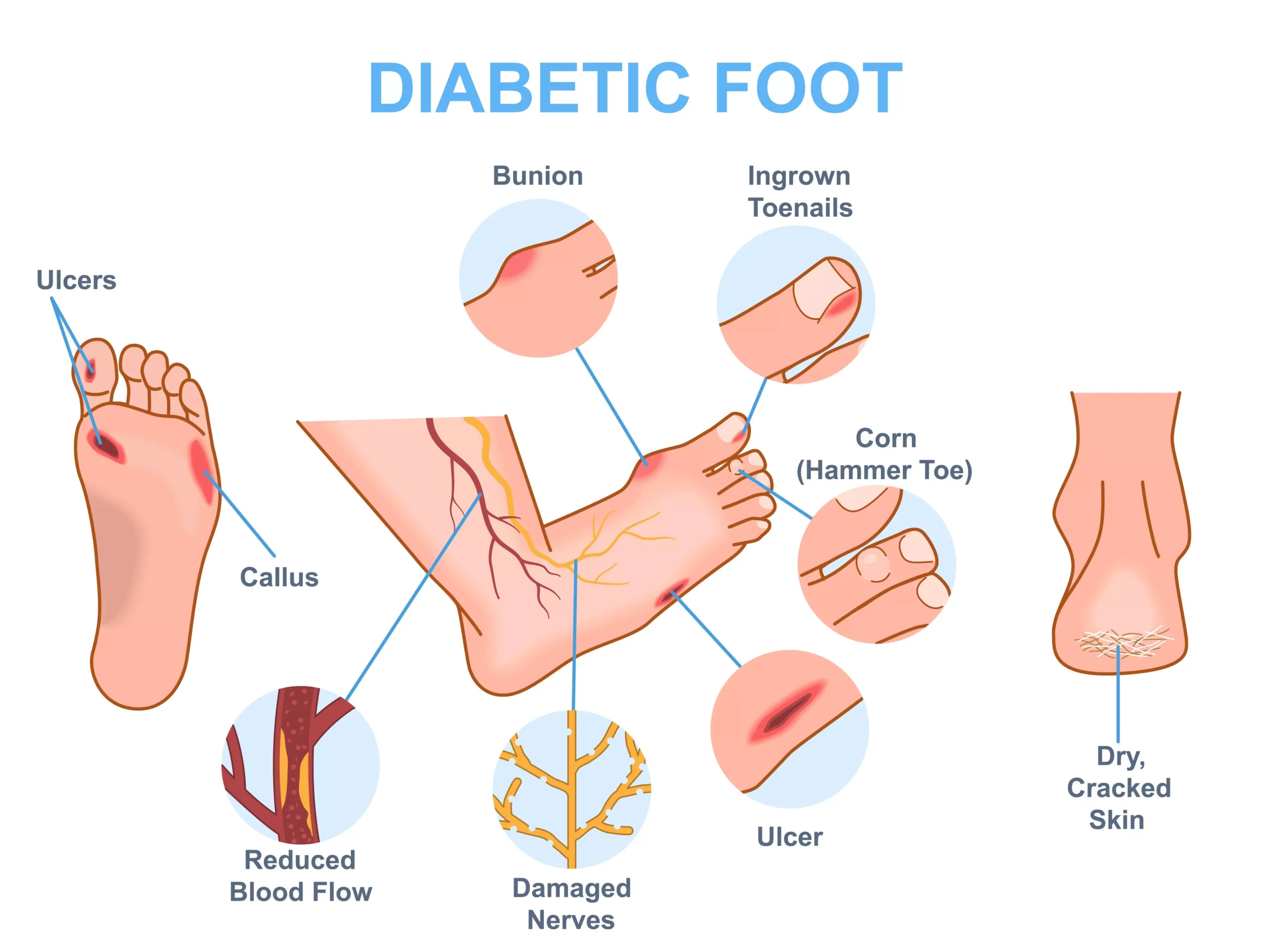
Some symptoms should not wait for a routine appointment. They may indicate infection, severe nerve involvement, stroke/TIA, seizure-related illness, spinal cord disease, or another urgent neurological condition.
If any of the following symptoms occur, seek urgent medical care.
Foot Wounds, Infection, or Fever
A foot wound in a person with diabetes should be taken seriously, especially if there is redness, swelling, warmth, pus, foul smell, increasing pain, blackish skin change, or fever.
Even if there is no pain, the wound can still be serious because neuropathy may reduce sensation.
Do not wait for the wound to “settle on its own.”
Sudden Weakness or One-Sided Numbness
Diabetic neuropathy usually develops gradually. Sudden weakness or one-sided numbness is not typical of ordinary diabetic peripheral neuropathy.
Sudden symptoms may suggest stroke, TIA, spinal disease, or another neurological emergency.
If weakness, numbness, facial drooping, speech difficulty, confusion, severe dizziness, or vision change appears suddenly, seek emergency care immediately.
Severe Dizziness, Fainting, or Bladder Changes
Diabetes can sometimes affect autonomic nerves, which control functions like blood pressure regulation, digestion, bladder function, sweating, and sexual function. Mayo Clinic and NIDDK both describe autonomic involvement as one possible form of diabetic neuropathy.
Symptoms such as repeated fainting, severe dizziness on standing, new bladder control problems, severe constipation, uncontrolled diarrhea, or major digestive changes should be medically assessed.
These symptoms may have several causes, and evaluation is important.
Stroke-Like, TIA-Like, or Seizure-Like Symptoms
Do not assume every neurological symptom in a person with diabetes is neuropathy.
Sudden speech difficulty, facial drooping, weakness on one side, sudden confusion, severe imbalance, loss of consciousness, convulsions, or seizure-like episodes need urgent evaluation.
Diabetic neuropathy is usually a long-term nerve complication. Stroke, TIA, and seizures are different neurological conditions and may require emergency care.
What a Neurologist Checks During a Diabetic Neuropathy Evaluation
A neurologist looks beyond the symptom label. The aim is to understand which nerves are affected, how severe the problem is, whether the pattern fits diabetes, and what can be done next.
This evaluation is especially helpful when symptoms are painful, progressive, disabling, unclear, or associated with weakness and imbalance.
Symptom Pattern and Medical History
The neurologist will ask when symptoms began, where they started, whether they are spreading, what they feel like, and what makes them better or worse.
Important details include diabetes duration, blood sugar control, HbA1c history, kidney disease, thyroid disease, vitamin deficiencies, alcohol intake, current medicines, previous injuries, and family history of nerve disease.
This history often gives strong clues before any test is ordered.
Sensation, Reflexes, Strength, and Coordination
A neurological examination may include checking touch, vibration, pinprick sensation, temperature sensation, reflexes, muscle strength, coordination, walking pattern, and balance.
This helps identify whether the neuropathy is mainly sensory, motor, autonomic, small fiber, large fiber, or mixed.
It also helps detect signs that may point toward spinal cord disease, nerve root compression, stroke-related weakness, or other neurological conditions.
Checking for Other Causes of Neuropathy
Diabetes is common, but it should not become a shortcut diagnosis.
If the symptom pattern is unusual, the neurologist may look for other causes such as vitamin B12 deficiency, thyroid problems, kidney disease, autoimmune neuropathy, infections, medication-related nerve injury, alcohol-related neuropathy, or inherited neuropathy.
This matters because some causes are treatable if found early.
Planning Treatment Around Your Symptoms
Treatment should match the patient’s real problem.
A patient with burning pain needs a different plan from a patient with painless numbness and foot ulcers. A patient with falls needs balance and safety planning, while a patient with autonomic symptoms may need a different evaluation.
This is where specialist assessment becomes useful.
Tests Used to Diagnose Diabetic Neuropathy
Not every patient needs every test. Many cases can be suspected from history and examination.
However, tests may be useful when symptoms are severe, worsening, atypical, unclear, or not responding to usual treatment.
Neurological Examination
A neurological examination is the foundation of diagnosis.
The doctor checks sensation, reflexes, strength, coordination, and walking. Foot sensation may also be assessed because reduced protective sensation increases the risk of unnoticed injuries.
This examination helps decide whether additional testing is required.
Nerve Conduction Study
A nerve conduction study measures how well electrical signals travel through the nerves.
It is often used when large nerve fiber involvement is suspected, especially when there is numbness, weakness, loss of reflexes, or unclear diagnosis.
This test can help confirm neuropathy and estimate its pattern and severity.
EMG Test
EMG, or electromyography, evaluates electrical activity in muscles.
It may be used along with nerve conduction studies when weakness, nerve root disease, motor nerve involvement, or another neuromuscular condition is suspected.
EMG is not needed for every patient with mild symptoms, but it can be valuable when the clinical picture is not straightforward.
Blood Tests and Other Investigations
Blood tests may be recommended to look for contributing or alternative causes.
These may include tests for blood sugar control, vitamin B12 levels, thyroid function, kidney function, and other causes depending on the patient’s symptoms.
In selected cases, additional testing may be needed for small fiber neuropathy or autonomic neuropathy.
Treatment and Management Options for Diabetic Neuropathy
Treatment for diabetic neuropathy has four practical goals: slow progression, reduce pain, protect the feet, and improve daily function.
The right plan depends on the symptoms, severity, diabetes control, other medical conditions, and safety of medicines.
Blood Sugar Control
Good blood sugar control is one of the most important steps in preventing or slowing diabetic nerve damage. Mayo Clinic notes that keeping blood sugar within the target range is a key way to prevent or delay nerve damage.
This does not mean every symptom disappears immediately.
Nerves heal slowly, and some nerve damage may not fully reverse. But better diabetes control can reduce further injury and support overall nerve health.
Medicines for Nerve Pain
Nerve pain is different from ordinary muscle or joint pain.
Burning, stabbing, shooting, electric-shock pain, and painful sensitivity to touch may need medicines specifically used for neuropathic pain.
Do not start, stop, or adjust these medicines without medical advice. The safest choice depends on age, kidney function, sleep, mood, other medicines, and side-effect risk.
Physical Therapy and Balance Support
If neuropathy affects walking, strength, or balance, physical therapy may help improve safety and confidence.
Balance training, strengthening exercises, gait support, footwear advice, and fall-prevention strategies can be important.
This is especially relevant for older adults or patients who have already had falls.
Treating Other Contributing Causes
A neurologist may also look for other treatable contributors.
For example, vitamin B12 deficiency can worsen neuropathy symptoms. Thyroid disease, kidney disease, alcohol use, medication effects, and spinal problems may also contribute.
Treating these factors can improve the overall management plan.
Foot Care Tips to Prevent Diabetic Neuropathy Complications
Foot care is one of the most important parts of diabetic neuropathy management.
When sensation is reduced, your eyes must do some of the work your nerves are no longer doing well.
Check Your Feet Every Day
Look at the soles, toes, heels, nails, and spaces between the toes every day.
Check for cuts, blisters, swelling, redness, cracks, dry skin, nail problems, color change, or wounds.
Use a mirror or ask a family member for help if you cannot see the bottom of your feet clearly.
Do Not Ignore Cuts, Blisters, or Swelling
A small wound can become serious in a person with diabetes, especially when sensation is reduced or circulation is poor.
Do not cut calluses yourself. Do not apply strong chemicals to corns or wounds without medical advice.
If a wound is not healing, or if there is redness, swelling, discharge, fever, or increasing pain, seek medical care.
Wear Protective Footwear
Avoid walking barefoot, even at home.
Use comfortable, well-fitting footwear that does not rub or create pressure points. Check the inside of your shoes before wearing them to make sure there are no stones, rough edges, or objects inside.
Protective footwear can prevent injuries that a numb foot may not feel.
Seek Care Early for Foot Wounds
Early care can prevent small foot problems from becoming major complications.
If you have diabetic neuropathy, foot wounds should not be treated casually.
A wound that looks small but does not heal deserves prompt medical assessment.
How to Prepare for Your Neurology Appointment
A well-prepared appointment helps the neurologist understand your symptoms faster.
You do not need to remember everything perfectly. A few notes can make the consultation much more useful.
Track Your Symptoms
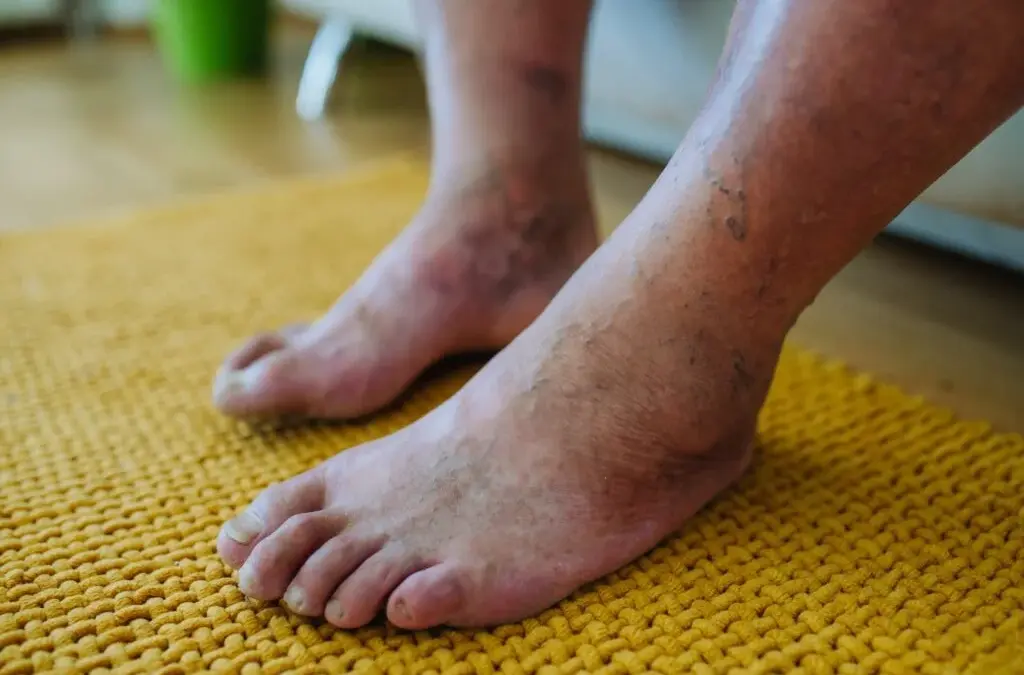
Write down when symptoms began, where they started, and whether they are spreading.
Note whether the feeling is burning, tingling, numbness, stabbing, shooting, electric, cramping, or painful to touch.
Also mention whether symptoms are worse at night, worse after walking, or present all day.
Bring Diabetes and Medication Details
Bring your diabetes history, recent HbA1c values if available, current medicines, insulin details if relevant, and any supplements you take.
Also mention blood pressure, cholesterol, kidney disease, thyroid disease, alcohol use, smoking, or previous vitamin deficiencies.
These details help connect nerve symptoms with the larger medical picture.
Share Previous Reports or Test Results
If you have previous blood reports, nerve tests, MRI scans, diabetes records, foot wound records, or prescriptions, bring them.
Photos of foot wounds or swelling may also help if the wound changes over time.
A neurologist in Thane can use these details to assess whether the symptoms fit diabetic neuropathy or whether another neurological condition needs consideration.
Write Down Your Main Questions
Patients often forget questions during the appointment.
Useful questions include:
- Are my symptoms typical of diabetic neuropathy?
- Is my neuropathy mild, moderate, or severe?
- Do I need nerve conduction study or EMG?
- Is there any sign of another nerve problem?
- What can I do to reduce pain and prevent progression?
- How should I protect my feet?
- When should I seek urgent care?
Clear questions lead to clearer answers.