
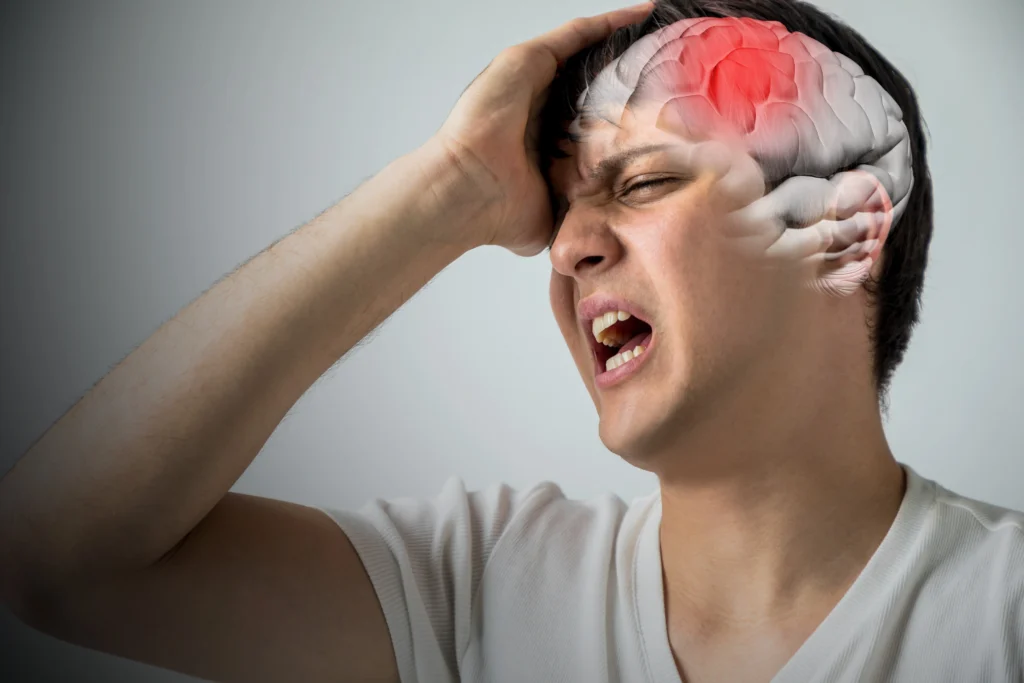
A stroke can change life within minutes. For the patient and family, the first question is often simple but frightening: what happens after a stroke, and how much recovery is possible?
The answer depends on the type of stroke, how quickly treatment begins, which part of the brain is affected, and how consistently rehabilitation is followed. Some people improve quickly in the first few days or weeks, while others need months of structured therapy and long-term medical follow-up.
This guide explains the stroke recovery timeline in a practical, patient-friendly way so you know what usually happens in the hospital, during rehabilitation, and in the months after discharge.
Medically Guided by Dr. Siddharth Kharkar
Trusted neurological guidance that turns complex symptoms into clear next steps. Dr. Siddharth Kharkar focuses on helping patients and families understand stroke warning signs, recovery expectations, rehabilitation needs, and the right time to seek specialist care without delay.
Stroke recovery is not only about surviving the emergency. It is about protecting the brain, rebuilding lost abilities, preventing another stroke, and helping the patient return to the safest and most independent life possible.
Quick Answer: What Happens After a Stroke?
After a stroke, the first priority is emergency treatment to restore or control blood flow in the brain, depending on whether the stroke is caused by a clot or bleeding. Once the patient is stable, doctors assess movement, speech, swallowing, memory, and other brain functions.
Stroke rehabilitation usually begins as early as medically safe. The first three months are often the most active period of recovery, but improvement can continue for many months or even longer with the right therapy, medical monitoring, and family support.
If new symptoms appear after discharge, such as sudden weakness, speech difficulty, confusion, severe headache, seizure, or loss of balance, treat it as urgent and seek emergency care.
At a Glance: Stroke Recovery Timeline
Time After Stroke | What Usually Happens | Main Focus |
First minutes to hours | Emergency evaluation, brain scan, stroke type identification | Save brain tissue and start treatment quickly |
First 24–48 hours | Close monitoring, medicines or procedures if needed, early assessments | Stabilize the patient and prevent complications |
First week | Neurological checks, therapy planning, swallowing and mobility assessment | Start rehabilitation and plan discharge |
First month | Home care, inpatient rehab, or outpatient therapy begins | Build routine, safety, and early functional recovery |
First 3 months | Often the fastest recovery phase | Intensive rehabilitation and independence goals |
3 to 6 months | Progress may slow but continues | Adjust therapy and manage stiffness, fatigue, speech, and balance |
6 months to 1 year | Recovery becomes more gradual | Long-term rehabilitation, prevention, and quality of life |
Beyond 1 year | Some patients continue to improve | Maintain function, prevent another stroke, and support emotional recovery |
This timeline is a guide, not a guarantee. Every brain heals differently.
What Happens Immediately After a Stroke?
The first stage after a stroke is emergency care. Doctors need to quickly confirm whether symptoms are due to a stroke, identify the type of stroke, and decide which treatment is safe.
A stroke may be ischemic, meaning a blood clot blocks blood flow to part of the brain. It may also be hemorrhagic, meaning a blood vessel has burst and caused bleeding in or around the brain.
The treatment plan depends heavily on this difference. That is why brain imaging is one of the first and most important steps.
Emergency Assessment and Brain Imaging
When a patient reaches the hospital, the medical team checks vital signs, blood pressure, oxygen level, blood sugar, neurological function, and symptom timing. A CT scan or MRI helps doctors see whether there is bleeding, blocked blood flow, swelling, or another cause of symptoms.
The timing of symptoms matters. Some stroke treatments work only within a specific time window, so families should clearly tell doctors when the patient was last seen normal.
This is also why stroke symptoms should never be watched at home. If someone has sudden face drooping, arm weakness, speech difficulty, vision changes, imbalance, confusion, or severe headache, emergency evaluation is needed.
Identifying the Type of Stroke
If the stroke is ischemic, doctors may consider clot-busting medicine or a clot-removal procedure in selected patients. If the stroke is hemorrhagic, treatment may focus on controlling bleeding, reducing pressure, managing blood pressure, or surgical intervention if required.
At this stage, the goal is not full recovery yet. The first goal is to prevent further brain injury and keep the patient medically stable.
The First 24–48 Hours After a Stroke
The first 24–48 hours after a stroke are usually spent under close medical observation. Doctors and nurses monitor the patient for changes in alertness, weakness, speech, swallowing, breathing, blood pressure, heart rhythm, and signs of complications.
Families may notice that symptoms fluctuate during this stage. Some patients seem better at one time and weaker or more confused later.
This does not always mean something has gone wrong, but any change must be taken seriously and reported to the treating team.
Stabilization and Close Monitoring
During this period, doctors may manage blood pressure, blood sugar, fever, oxygen levels, hydration, and brain swelling. They may also check for heart rhythm problems, blood vessel narrowing, clotting risk, or other conditions that contributed to the stroke.
A swallowing assessment is very important. Some patients cannot swallow safely after a stroke, which increases the risk of choking or food entering the lungs.
The patient may also be checked for early complications such as aspiration pneumonia, deep vein thrombosis, seizures, urinary problems, or worsening neurological symptoms.
When Early Rehabilitation Begins
Rehabilitation can begin once the patient is medically stable. This does not always mean intense exercise immediately.
Early rehabilitation may start with positioning, sitting balance, gentle movement, swallowing guidance, communication support, and prevention of stiffness or pressure sores.
The aim is to activate recovery safely without exhausting the patient or increasing medical risk.
The First Week After a Stroke
During the first week after a stroke, the medical team begins to understand the full impact of the stroke. Some patients remain in intensive or acute care, while others shift to a stroke unit, rehabilitation unit, or step-down care.
This stage often brings difficult emotions. Families may be trying to understand whether the patient will walk again, speak clearly, swallow normally, or return to work.
A good recovery plan begins with careful assessment, not guesswork.
Hospital Care and Neurological Assessment
Doctors assess which functions are affected. This may include strength, sensation, coordination, balance, speech, language, memory, attention, vision, swallowing, bladder control, and mood.
The care team may include a neurologist, rehabilitation physician, physiotherapist, occupational therapist, speech and swallowing therapist, nurse, dietitian, psychologist, and social worker.
Each professional looks at recovery from a different angle. Together, they help create a practical rehabilitation plan.
Planning Discharge and Rehabilitation
Discharge after stroke does not mean recovery is complete. It means the next phase of recovery is ready to begin.
Some patients go home with outpatient therapy. Some need inpatient rehabilitation. Others need nursing support or home-based care, depending on their safety, mobility, swallowing ability, family support, and medical stability.
Before discharge, families should understand the medicines, diet advice, activity restrictions, therapy schedule, warning signs, and follow-up plan.
The First Month After a Stroke
The first month after a stroke is often the adjustment phase. The patient may be home, in a rehabilitation center, or moving between different levels of care.
This is when families often realize that stroke recovery affects daily life in many ways. Walking, bathing, eating, speaking, remembering medicines, sleeping, and managing emotions may all require support.
Progress can happen during this period, but it may not be smooth every day.
Adjusting to Home, Rehab, or Inpatient Care
At home, safety becomes very important. The patient may need support while walking, using the bathroom, climbing stairs, or eating.
Falls are a major concern after stroke, especially when there is weakness, poor balance, dizziness, vision difficulty, or overconfidence before strength has returned.
Medicines must be taken exactly as prescribed. These may include blood thinners, antiplatelet medicines, cholesterol medicines, blood pressure medicines, diabetes medicines, or medicines for seizures or spasticity if needed.
Common Changes Families Notice
Families may notice fatigue, irritability, crying spells, low mood, sleep changes, confusion, reduced attention, or frustration. These symptoms are common after stroke and should not be dismissed as laziness or lack of effort.
The brain is recovering from an injury. Even simple tasks can feel tiring.
Patients may also become fearful of another stroke. This fear is understandable, but it should lead to proper medical follow-up, not avoidance of activity or therapy.
The First Three Months After a Stroke
The first three months are often the most active phase of stroke recovery. Many patients show their most visible improvements during this time, especially when rehabilitation is started early and continued consistently.
This happens because the brain has some ability to reorganize itself after injury. This process is often called neuroplasticity.
Neuroplasticity does not mean recovery is automatic. It means the brain may respond better when therapy is targeted, repeated, and guided.
Why Early Recovery Can Be Faster
In the early weeks, some improvement may happen as swelling reduces, blood flow stabilizes, and temporarily affected brain tissue begins to work better. Therapy then helps the patient relearn movements, speech patterns, balance, swallowing, and daily activities.
This is why the early recovery period should not be wasted. Regular therapy, safe practice, family involvement, and medical monitoring can strongly influence outcomes.
However, faster early recovery does not mean every symptom will disappear. Recovery depends on the size and location of the stroke, age, other illnesses, and the severity of the initial disability.
Therapy Goals During the First 90 Days
Therapy goals during the first 90 days may include:
- sitting and standing safely
- improving walking balance
- strengthening weak muscles
- reducing stiffness
- improving hand use
- relearning daily activities
- improving speech and understanding
- managing swallowing problems
- improving memory and attention
- preventing another stroke
Some patients recover enough to return to many usual activities. Others need longer support.
The important point is to measure progress realistically. A small improvement in hand movement, safer swallowing, clearer speech, or better balance can be meaningful.
Three to Six Months After Stroke
Between three and six months after stroke, many patients feel that recovery has slowed. This can be emotionally difficult.
The early dramatic gains may become smaller and more gradual. A patient who was improving every week may now feel stuck.
This does not always mean recovery has ended.
Why Progress May Slow Down
Recovery may slow because the brain has already regained the easiest functions first. The remaining difficulties may require more repetition, more specific exercises, or a different therapy approach.
For example, walking inside the house may improve before outdoor walking. Basic speech may return before complex conversation. Large arm movements may improve before fine finger control.
Fatigue, depression, poor sleep, pain, stiffness, uncontrolled diabetes, high blood pressure, or missed therapy can also slow recovery.
Why Continued Rehabilitation Still Matters
Continued rehabilitation helps the patient build strength, coordination, confidence, and independence. The therapy plan may need adjustment rather than stopping completely.
At this stage, the doctor may reassess medicines, muscle stiffness, pain, seizure risk, walking safety, swallowing, mood, and secondary stroke prevention.
If symptoms are not improving as expected, or if new symptoms appear, a neurologist should review the patient.
Six Months to One Year and Beyond
Six months after stroke, recovery usually becomes slower, but it does not necessarily stop. Many patients continue to improve with regular practice, therapy, and medical guidance.
Some people regain independence in daily life. Others continue to need help with walking, speech, memory, or personal care.
The goal after six months is not only physical recovery. It is also preventing another stroke, improving quality of life, supporting emotional health, and helping the patient participate in family and social life.
Recovery Does Not Always Stop at Six Months
A common myth is that recovery ends after six months. In reality, improvement can continue, especially when therapy is consistent and goals are realistic.
The pace may be slower, but meaningful gains are still possible. A patient may improve walking endurance, hand use, speech clarity, confidence, or emotional adjustment even later in recovery.
The key is to avoid both extremes: do not expect miracles, but do not give up too early.
Building a Long-Term Recovery Plan
A long-term recovery plan may include:
- regular neurological follow-up
- physiotherapy or home exercise
- speech therapy if communication or swallowing remains affected
- occupational therapy for daily independence
- blood pressure, diabetes, cholesterol, and heart rhythm control
- sleep and mood management
- caregiver education
- fall prevention
- emergency plan for new symptoms
Stroke recovery is a long journey. Patients do better when care is organized and consistent.
What Affects Stroke Recovery?
Stroke recovery is different for every person. Two patients with stroke may have very different outcomes, even if they are the same age.
Important factors include:
- the type of stroke
- the size of the stroke
- the part of the brain affected
- how quickly treatment started
- the patient’s age and general health
- blood pressure, diabetes, cholesterol, and heart condition
- previous stroke or TIA
- rehabilitation intensity
- emotional health
- family and caregiver support
- consistency with medicines and follow-up
A small stroke in a critical brain area can cause major disability. A larger stroke in another area may affect the patient differently.
This is why recovery predictions should be personalized after neurological assessment.
Common Problems After a Stroke
Stroke does not affect only movement. It can affect speech, swallowing, memory, mood, personality, balance, vision, sleep, bladder control, and seizure risk.
Some symptoms are obvious immediately. Others become clearer only after the patient returns home.
Families should observe changes carefully and discuss them during follow-up.
Weakness, Balance, and Walking Problems
Weakness on one side of the body is common after stroke. The arm, leg, face, or all three may be affected.
Balance problems can make walking unsafe. Some patients drag one foot, lean to one side, or become afraid of falling.
Physiotherapy helps improve strength, balance, posture, walking pattern, and confidence. The goal is not only movement but safe movement.
Speech, Swallowing, and Memory Changes
Some patients have difficulty speaking clearly. Others know what they want to say but cannot find the words. Some cannot understand language properly.
Swallowing difficulty is also important because it can lead to choking, poor nutrition, dehydration, or chest infection.
Memory and attention problems may affect medicine use, decision-making, conversations, and daily independence. These changes need patience and structured support.
Mood Changes, Fatigue, TIA-Like Episodes, and Seizures
Mood changes after stroke are common. Patients may feel sad, anxious, angry, emotionally sensitive, or less motivated.
Fatigue can be intense, even after small tasks. It is not always visible to others.
Some patients may develop seizure-like episodes after stroke. Others may have temporary symptoms that raise concern for TIA, stroke recurrence, or another neurological condition. Understanding the difference between TIA vs stroke vs seizure is important because each situation needs a different medical response.
Stroke Rehabilitation: What Treatments May Be Needed?
Stroke rehabilitation is a structured program that helps the patient relearn lost skills and adapt safely to remaining difficulties. It should be personalized to the patient’s symptoms, goals, and medical condition.
Rehabilitation is not a single treatment. It is a coordinated plan.
The best results usually come when the patient, family, neurologist, therapists, and caregivers work together.
Physiotherapy
Physiotherapy focuses on movement, strength, walking, posture, balance, and preventing complications from immobility.
A physiotherapist may work on sitting, standing, walking, stairs, transfers, stretching, and safe use of walking aids.
Exercises should be repeated regularly, but they must also be safe. Overexertion, poor technique, or unsupervised risky movements can increase falls or injury.
Occupational Therapy
Occupational therapy helps the patient return to daily activities such as bathing, dressing, eating, writing, cooking, using the toilet, and managing household tasks.
It may also include hand function training, visual scanning, memory strategies, and home safety modifications.
This therapy is especially important when the patient wants to regain independence in real-life tasks, not just exercise performance.
Speech and Swallowing Therapy
Speech therapy helps with speaking, understanding, reading, writing, voice, and communication confidence.
Swallowing therapy helps patients eat and drink safely. In some cases, diet texture changes or feeding precautions are needed until swallowing improves.
Families should not force normal food or liquids if swallowing has not been cleared by the medical team.
Neurology Follow-Up and Prevention
A neurologist helps identify why the stroke happened and how to reduce the chance of another stroke. This may involve medicines, blood pressure control, diabetes management, cholesterol treatment, heart evaluation, lifestyle changes, and monitoring for complications.
For patients and families looking for specialist care, stroke treatment in Thane should include both emergency care awareness and long-term prevention planning.
Recovery is not complete without prevention.
Warning Signs After Stroke Recovery Has Started
Even after recovery begins, new symptoms must be taken seriously. A second stroke or TIA can happen, and early action matters.
Seek urgent medical help if the patient develops:
- sudden weakness or numbness on one side
- face drooping
- sudden speech difficulty
- sudden confusion
- sudden vision loss or double vision
- sudden severe headache
- sudden dizziness or loss of balance
- seizure
- fainting or reduced consciousness
- sudden worsening of previous stroke symptoms
Do not wait to see whether symptoms improve. Do not drive the patient yourself if emergency medical services are available.
Families should also be aware of what happens after a stroke when warning signs are missed or treatment is delayed, especially because stroke can occur in younger adults too.
When Should You See a Neurologist After a Stroke?
A neurologist should be involved after a stroke to guide recovery, reduce recurrence risk, and manage complications.
You should consider a neurological review if:
- this is the first follow-up after discharge
- the cause of stroke is unclear
- weakness, speech, or memory problems continue
- the patient has seizures or seizure-like episodes
- there are repeated TIA-like symptoms
- medicines are causing side effects
- blood pressure, diabetes, or cholesterol remain uncontrolled
- recovery has plateaued unexpectedly
- there is worsening stiffness, pain, or walking difficulty
- the family is unsure about the rehabilitation plan
A good follow-up visit should not only ask, “How is the patient?” It should review recovery, risk factors, medicines, therapy needs, warning signs, and family concerns.
How Families Can Support Stroke Recovery
Family support can make a major difference after stroke. Recovery is easier when the patient feels safe, understood, and guided.
Helpful steps include:
- keeping medicines organized
- attending follow-up appointments
- encouraging therapy without pressuring harshly
- making the home safer
- preventing falls
- watching for swallowing difficulty
- supporting healthy food and hydration
- tracking blood pressure and sugar if advised
- noticing mood changes
- learning emergency warning signs
Caregivers also need rest. Stroke recovery can be physically and emotionally demanding for the entire family.
A tired caregiver may miss warning signs or struggle to maintain the recovery routine. Asking for help is not weakness; it is part of safe care.