

Falling asleep during a quiet afternoon can happen to anyone. However, excessive daytime sleepiness that keeps returning, affects your safety or appears with other neurological symptoms deserves closer attention.
The cause may be as simple as not getting enough restful sleep. In some people, however, persistent sleepiness can be connected to narcolepsy, seizures, a previous stroke, Parkinson’s disease, a brain injury or another condition affecting the brain’s control of sleep and wakefulness.
Medically guided by Dr. Siddharth Kharkar
Trusted neurological guidance that turns complex symptoms into clear next steps. Focused on helping patients and families recognise excessive daytime sleepiness and related neurological warning signs early, so they can seek appropriate care without unnecessary fear or delay.
Quick Answer
Yes, excessive daytime sleepiness can sometimes be related to a neurological problem, but it is not proof that you have one. Narcolepsy, seizures, stroke-related changes, Parkinson’s disease and brain injuries can affect alertness, but insufficient sleep, sleep apnea, shift work and medication effects are more common explanations.
The pattern around your sleepiness matters. Sudden weakness, speech difficulty, confusion, unusual movements, loss of awareness or repeated sleep attacks make neurological assessment more important.
At a Glance
- Excessive daytime sleepiness is a symptom, not a diagnosis.
- It means struggling to remain awake when you would normally expect to be alert.
- Sleepiness is different from physical or mental fatigue.
- Sleep apnea, medicines and insufficient sleep are common causes.
- Narcolepsy, epilepsy, stroke and other neurological conditions can also contribute.
- Do not drive if you feel unable to remain fully awake.
- Sudden neurological symptoms require emergency care.
Seek emergency care immediately if sudden sleepiness or reduced alertness appears with facial drooping, one-sided weakness, speech difficulty, vision changes, severe imbalance, sudden confusion or a severe unexplained headache. These may be stroke or TIA warning signs, even if they improve within minutes.
Emergency help is also needed when a seizure lasts five minutes or longer, seizures repeat without recovery, breathing is difficult or the person does not gradually regain awareness. After a short tonic-clonic seizure, temporary sleepiness may occur while the brain recovers, but prolonged unresponsiveness needs urgent assessment.
What Is Excessive Daytime Sleepiness?
Excessive daytime sleepiness is a persistent tendency to become drowsy or fall asleep during normal waking hours. You may struggle to stay awake while reading, watching television, sitting in a meeting, talking to someone or travelling as a passenger.
In more severe cases, sleepiness can appear during active situations. A person may experience brief unintended sleep episodes, lose track of a conversation or realise that part of a familiar journey or task was completed with little clear memory.
Excessive sleepiness is not a diagnosis by itself. It is a clue that your sleep may be too short, repeatedly interrupted, poorly timed or affected by a medical or neurological condition.
Excessive Sleepiness Versus Fatigue
Sleepiness and fatigue often occur together, but they are not the same.
Sleepiness is a strong urge to fall asleep. You may nod off without intending to or feel that keeping your eyes open requires constant effort.
Fatigue usually feels more like low physical or mental energy. You may feel exhausted, weak or unable to complete tasks, but you may not actually fall asleep.
This distinction is especially important after a stroke. Many stroke survivors experience significant fatigue, while others also have disrupted sleep, sleep apnea or true daytime sleepiness.
Could Excessive Daytime Sleepiness Be Neurological?
 It can be, particularly when the brain systems responsible for wakefulness, sleep timing, movement, awareness or breathing are affected. Narcolepsy is a clear example because it is a neurological disorder that disrupts the brain’s regulation of sleep-wake cycles.
However, daytime sleepiness alone cannot identify a neurological disease. The timing, associated symptoms, medication history, nighttime sleep quality and neurological examination help determine where the problem may be coming from.
Symptom Patterns That Need Closer Attention
Pattern You Notice | What It May Suggest |
Sudden sleep attacks despite adequate nighttime sleep | Narcolepsy or another central hypersomnolence disorder |
Weakness triggered by laughter or strong emotion | Cataplexy associated with narcolepsy |
Temporary inability to move while falling asleep or waking | Sleep paralysis, sometimes associated with narcolepsy |
Morning confusion, tongue injury or unexplained muscle pain | Possible nighttime seizure |
Staring, loss of awareness or repeated automatic movements | Possible focal seizure |
Severe sleepiness after a witnessed seizure | Postictal recovery |
New facial drooping, arm weakness or speech difficulty | Possible stroke or TIA emergency |
Dream shouting, punching or kicking | REM sleep behaviour disorder |
Tremor, slowness and changes in sleep or alertness | Possible Parkinsonian condition |
New sleepiness following a head injury | Post-traumatic sleep-wake disturbance |
Loud snoring, choking or pauses in breathing | Obstructive sleep apnea |
This table is not a self-diagnosis tool. Several conditions can produce similar symptoms, and more than one cause may be present at the same time.
Which Neurological Conditions Can Cause Daytime Sleepiness?
Narcolepsy and Idiopathic Hypersomnia
Narcolepsy affects the brain’s ability to regulate sleep and wakefulness. People may feel refreshed when they first wake but become extremely sleepy again during the day.
Other clues can include sudden sleep attacks, vivid dream-like experiences while falling asleep, sleep paralysis and cataplexy. Cataplexy is a sudden loss of muscle strength that may be triggered by laughter, surprise or another strong emotion.
Idiopathic hypersomnia is different. People may sleep for long periods, have great difficulty waking and remain unrefreshed after naps or a full night of sleep.
The word “idiopathic” means that no clear cause has been identified. A diagnosis is made only after other causes of excessive sleepiness have been carefully considered.
Seizures, Epilepsy and Postictal Sleepiness
A seizure temporarily disrupts normal electrical activity in the brain. After some seizures, the person enters a recovery period called the postictal phase and may be confused, exhausted or very sleepy for minutes or longer.
Nighttime seizures can also fragment sleep without the person fully remembering the event. Possible clues include waking with a bitten tongue, unexplained injuries, muscle soreness, bedwetting, confusion or reports of unusual movements during sleep.
Epilepsy and sleep also influence each other. Poor sleep can make seizures more likely in some people, while seizures can disturb restorative sleep.
Certain anti-seizure medicines can contribute to drowsiness as well. This does not mean that the medicine should be stopped or reduced without medical supervision, because abrupt changes can increase seizure risk.
Stroke, TIA and Post-Stroke Changes
Persistent daytime sleepiness is not enough by itself to diagnose a stroke or TIA. Stroke and TIA usually raise concern when symptoms begin suddenly and involve a specific neurological function, such as strength, speech, vision, balance or understanding.
Do not wait for sudden symptoms to pass. A TIA can produce temporary symptoms, but it still requires emergency assessment because it may warn of a future stroke.
After a stroke, sleep and energy may change for several reasons. The brain injury itself, reduced activity, mood changes, pain, medication effects and sleep apnea can all contribute.
Post-stroke fatigue can feel overwhelming even after a reasonable night’s sleep. A clinician may need to determine whether the main issue is fatigue, true sleepiness or a combination of both.
Parkinson’s Disease and Other Neurodegenerative Conditions
Parkinson’s disease can affect nighttime sleep and daytime alertness. Some people have difficulty remaining asleep, while others experience daytime drowsiness or episodes of suddenly falling asleep.
Parkinson’s medicines may also influence alertness. Any new sleep attacks or dangerous drowsiness should therefore be discussed promptly with the treating neurologist.
People with Parkinson’s disease may also act out dreams during REM sleep. This can involve talking, shouting, kicking or punching while asleep.
Such symptoms should not be dismissed as ordinary nightmares. REM sleep behaviour disorder can be associated with Parkinson’s disease, Lewy body dementia and multiple system atrophy, although having the sleep disorder does not by itself confirm that a neurodegenerative condition is present.
Brain Injury and Other Neurological Illnesses
A concussion or more serious traumatic brain injury can disturb the sleep-wake cycle. A person may become unusually sleepy, sleep for longer periods or struggle with poor-quality nighttime sleep.
Brain inflammation, central nervous system infections and some other neurological disorders can also affect alertness. These conditions usually cause additional symptoms, such as fever, severe headache, confusion, weakness, behavioural change or seizures.
New or worsening sleepiness after a head injury should be medically assessed. Sudden deterioration, repeated vomiting, increasing confusion, weakness or difficulty waking requires emergency care.
Restless Legs and Unusual Sleep Behaviours
Not every neurological cause produces sleep attacks directly. Some neurological sleep conditions repeatedly interrupt nighttime sleep, leaving the person sleepy the following day.
People with restless legs syndrome experience an uncomfortable urge to move their legs, usually while resting and often in the evening. Frequent symptoms can delay sleep or cause repeated disruption during the night.
People with REM sleep behaviour disorder may physically or vocally act out their dreams. Because dream-enactment behaviour may cause injury and can have neurological significance, it deserves proper evaluation rather than being treated as ordinary restless sleep.
What Are the Common Non-Neurological Causes?
Neurological disease is only one category of possible causes. Common explanations include:
- Not allowing enough time for sleep
- Irregular sleeping and waking times
- Shift work
- Obstructive sleep apnea
- Frequent nighttime awakenings
- Alcohol or sedating substances
- Antihistamines
- Pain medicines
- Some antidepressants
- Some blood pressure medicines
- Anaemia
- An underactive thyroid
- Depression or other mood conditions
Obstructive sleep apnea is particularly important because a person may believe they slept for eight hours while repeated breathing interruptions prevented restorative sleep. Loud snoring, gasping, morning headaches, dry mouth and witnessed breathing pauses increase suspicion.
Medication effects should also be reviewed carefully. Do not stop a prescribed medicine suddenly; the safer approach is to discuss the dose, timing and alternatives with the prescribing clinician.
When Should You See a Neurologist?
A neurological consultation may be appropriate when excessive sleepiness:
- Persists despite adequate opportunity for sleep
- Produces uncontrollable sleep attacks
- Appears with loss of awareness
- Follows suspected or confirmed seizures
- Begins or worsens after a stroke
- Occurs with tremor, stiffness or slowed movement
- Appears with memory or behavioural changes
- Follows a head injury
- Occurs with dream-enactment behaviour
- Appears with unexplained weakness, numbness or coordination problems
- May be connected to anti-seizure or Parkinson’s medication
- Interferes with driving, work or personal safety
A sleep physician may be the most appropriate specialist when the main clues are snoring, breathing pauses or an abnormal sleep schedule. A neurologist becomes particularly important when sleepiness appears with seizures, focal symptoms, movement problems, cognitive changes or possible disorders of the brain’s sleep-wake system.
How Is Excessive Daytime Sleepiness Diagnosed?
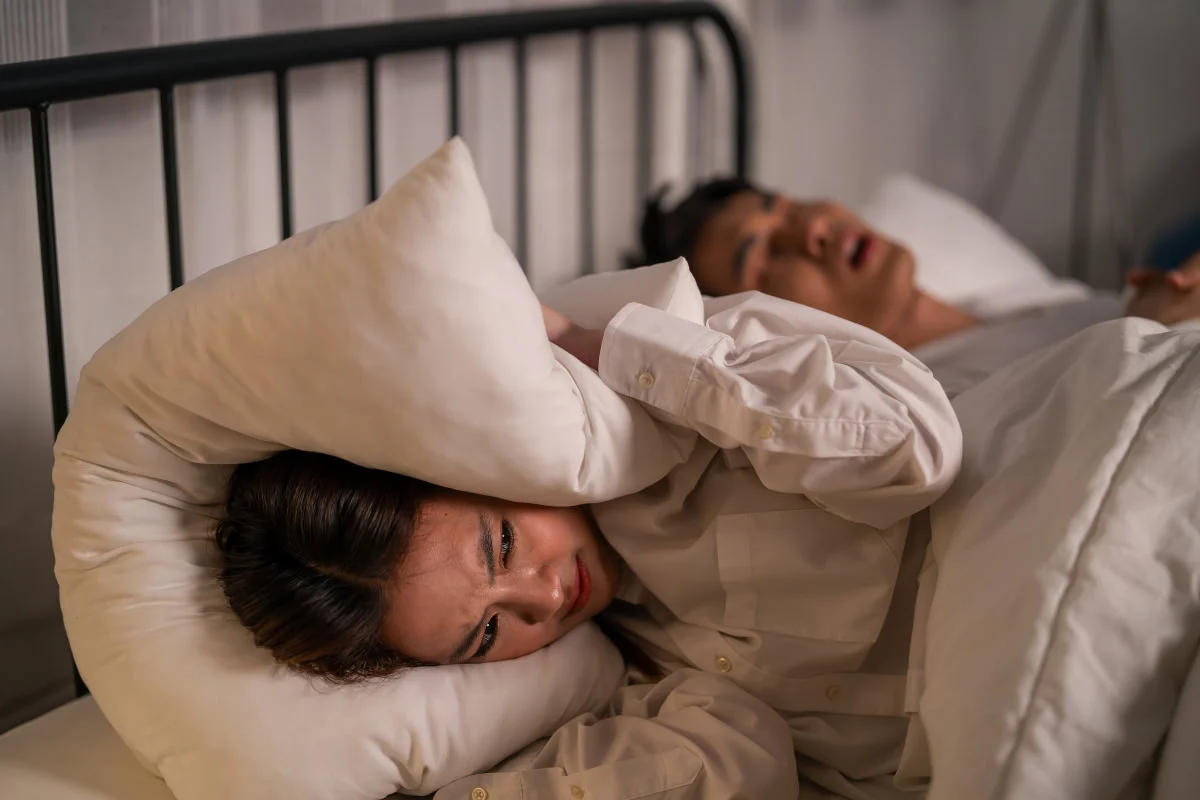
The goal is not simply to confirm that you feel sleepy. The goal is to determine why it is happening.
Testing is selected according to your symptoms. Every patient does not automatically require an EEG, MRI and overnight sleep study.
Medical and Sleep History
Your doctor may ask:
- When did the sleepiness begin?
- Did it start suddenly or gradually?
- How many hours do you usually sleep?
- Do you snore or stop breathing during sleep?
- Do naps leave you refreshed?
- Have you had sudden sleep attacks?
- Has anyone witnessed unusual nighttime behaviour?
- Have you had staring episodes or loss of awareness?
- Did the symptoms begin after a stroke, seizure or head injury?
- Which prescription and non-prescription medicines do you take?
- Do you use alcohol or other sedating substances?
A sleep diary can help reveal patterns. You may be asked to record bedtime, waking time, naps, sleep attacks, snoring, unusual events and medication timing.
The Epworth Sleepiness Scale may also be used to estimate how likely you are to fall asleep in common situations. It can support the assessment, but it cannot diagnose the cause on its own.
Sleep Studies and the Multiple Sleep Latency Test
An overnight sleep study, or polysomnography, records several body functions while you sleep. These may include brain activity, eye movements, breathing, oxygen levels, heart rhythm, muscle activity and leg movements.
The study can help identify sleep apnea, unusual movements and other causes of disrupted sleep. For some patients, a wider sleep disorder evaluation and treatment pathway may be needed before a neurological hypersomnia diagnosis can be made.
A multiple sleep latency test is usually performed after an overnight sleep study. It measures how quickly you fall asleep during several scheduled daytime nap opportunities and whether you enter REM sleep unusually early.
This test can help investigate narcolepsy and some other central hypersomnolence disorders.
When EEG or Brain Imaging May Be Needed
An EEG records the brain’s electrical activity. It may be considered when sleepiness is accompanied by suspected seizures, staring episodes, unexplained loss of awareness or unusual nighttime events.
An MRI or other brain imaging is not a routine test for every sleepy patient. It may be considered when there are focal neurological symptoms, a recent head injury, new seizures, significant cognitive change or concern about a structural brain problem.
Blood tests may be used to look for anaemia, thyroid disease, vitamin deficiencies, infection or metabolic problems. The exact combination depends on the medical history and examination.
How Is Excessive Daytime Sleepiness Treated?
Treatment should target the cause rather than simply covering up the sleepiness.
Possible approaches include:
- Creating adequate and consistent sleep opportunity
- Treating obstructive sleep apnea
- Addressing restless legs or nighttime movement problems
- Reviewing medicines that may cause sedation
- Treating anaemia or thyroid disease
- Managing mood conditions
- Adjusting seizure treatment when appropriate
- Treating narcolepsy or idiopathic hypersomnia under specialist care
- Addressing post-stroke sleep problems and rehabilitation needs
- Reviewing Parkinson’s medicines and nighttime symptoms
Wake-promoting medicines may be appropriate for selected conditions, but they are not a substitute for diagnosis. Using stimulants without identifying untreated sleep apnea, medication effects or another medical cause may delay the care you actually need.
What Can You Do Before Your Appointment?
Start by keeping a sleep and symptom diary for at least several days. Record nighttime sleep, awakenings, naps, sleep attacks, unusual movements, snoring and how refreshed you feel after waking.
Also prepare:
- A complete medication and supplement list
- The approximate date the problem began
- Details of any stroke, TIA, seizure or head injury
- Descriptions from anyone who has seen you sleep
- Videos of unusual nighttime behaviour, when safely available
- Information about snoring or breathing pauses
- Notes about weakness, confusion, memory loss or loss of awareness
Do not drive, work at heights or operate machinery when you feel unable to remain fully alert. Opening a window, playing loud music or drinking coffee does not make severely drowsy driving safe.
Avoid changing anti-seizure, Parkinson’s or sedating medicines on your own. Medication changes should be planned with the clinician managing the condition.