
Gunita Jain

Causes of Memory Loss

Reversible Causes of Memory Loss That Should Not Be Missed

Memory loss can be frightening, especially when it begins suddenly or starts affecting daily life. Many patients and families immediately worry about Alzheimer’s disease or dementia. That fear is understandable, but it is important to know this: not every memory problem is permanent. Some reversible causes of memory loss can improve significantly when the underlying […]

Reversible Causes of Memory Loss That Should Not Be Missed Read More »
Parkinson’s Disease

Parkinson’s Disease and Constipation: Why It Happens

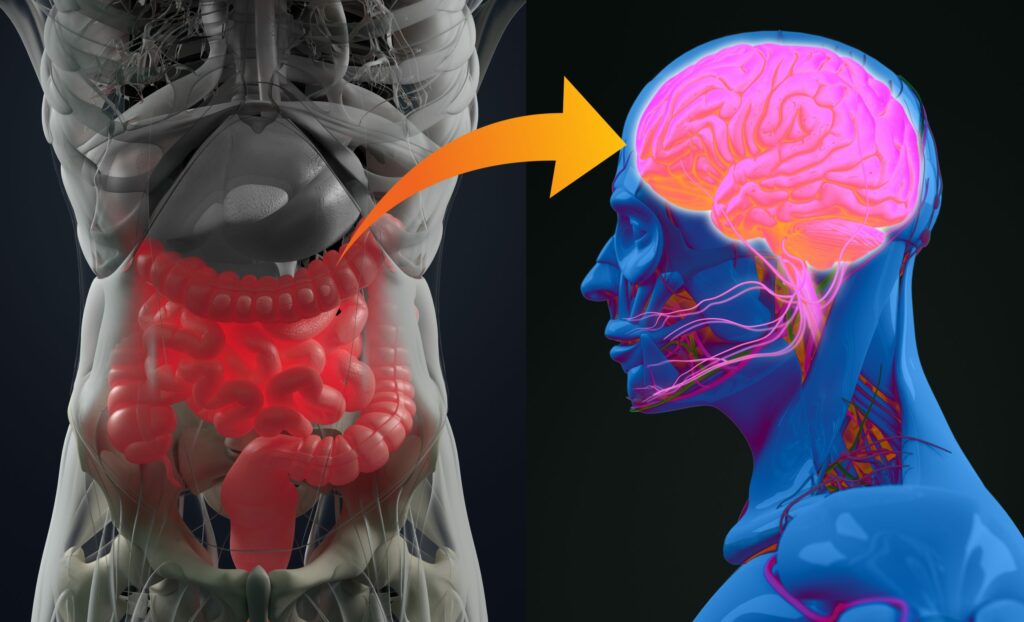
Constipation is one of the most common non-movement problems in Parkinson’s disease. It can be uncomfortable, frustrating, and sometimes embarrassing to talk about. But it is important to discuss it openly because bowel changes can affect comfort, appetite, sleep, daily routine, and even how Parkinson’s medicines work. For many people, Parkinson’s disease and constipation are

Parkinson’s Disease and Constipation: Why It Happens Read More »

Meningitis Warning Signs in Adults

Meningitis Warning Signs in Adults: Early Symptoms You Should Not Ignore

Meningitis can begin like a common fever, flu, migraine, or viral illness. That is why the early signs are often missed. The important difference is that meningitis can worsen quickly, especially when it is caused by bacteria. In adults, fever with a severe headache, stiff neck, vomiting, confusion, drowsiness, seizures, sensitivity to light, or a

Meningitis Warning Signs in Adults: Early Symptoms You Should Not Ignore Read More »

Neurological Causes and Treatment

Restless Legs Syndrome: Neurological Causes and Treatment

Restless legs syndrome can make sleep feel impossible. You lie down, feel an uncomfortable sensation in your legs, and get an almost irresistible urge to move them. For many people, walking, stretching, or shaking the legs gives temporary relief. But once they sit or lie down again, the discomfort returns. Restless legs syndrome is not

Restless Legs Syndrome: Neurological Causes and Treatment Read More »

Early Signs of Alzheimer’s Disease: Symptoms Families Should Not Ignore

Early Signs of Alzheimer’s Disease: Symptoms Families Should Not Ignore

Memory changes can be frightening, especially when they begin to affect daily life. A forgotten name or misplaced object is not always a sign of Alzheimer’s disease, but repeated changes in memory, judgment, language, or behavior should not be ignored. The early signs of Alzheimer’s disease are often subtle at first. They may look like

Early Signs of Alzheimer’s Disease: Symptoms Families Should Not Ignore Read More »

Ataxia and Imbalance - Common Neurological Causes

Ataxia and Imbalance: Common Neurological Causes

Feeling unsteady while walking can be worrying, especially when it starts suddenly, keeps returning, or slowly becomes worse. Ataxia and imbalance are not symptoms to ignore because they may come from problems in the brain, nerves, inner ear balance pathways, medicines, vitamin deficiencies, stroke, TIA, seizure-related conditions, or other neurological disorders. Ataxia means loss of

Ataxia and Imbalance: Common Neurological Causes Read More »

Muscle Weakness - Nerve, Muscle

Muscle Weakness: Is It Coming From Nerves, Muscles or the Neuromuscular Junction?

Muscle weakness can feel confusing and worrying. You may find it harder to climb stairs, lift your arms, hold objects, walk steadily, chew food, speak clearly, or keep your eyes open. Sometimes, the problem is in the muscle itself. Sometimes, the muscle is healthy, but the nerve signal is not reaching it properly. In some

Muscle Weakness: Is It Coming From Nerves, Muscles or the Neuromuscular Junction? Read More »

Sciatica vs Neuropathy

Sciatica vs Neuropathy: What Is the Difference?

Trusted neurological guidance that turns complex nerve symptoms into clear next steps. This article is medically guided by Dr. Siddharth Kharkar and is focused on helping patients and families recognize sciatica vs neuropathy warning signs early, understand when symptoms may need medical evaluation, and avoid delays in the right diagnosis. Nerve pain should not be

Sciatica vs Neuropathy: What Is the Difference? Read More »

Scroll to Top