Blog

Your blog category

Muscle Weakness - Nerve, Muscle

Muscle Weakness: Is It Coming From Nerves, Muscles or the Neuromuscular Junction?

Muscle weakness can feel confusing and worrying. You may find it harder to climb stairs, lift your arms, hold objects, walk steadily, chew food, speak clearly, or keep your eyes open. Sometimes, the problem is in the muscle itself. Sometimes, the muscle is healthy, but the nerve signal is not reaching it properly. In some […]

Muscle Weakness: Is It Coming From Nerves, Muscles or the Neuromuscular Junction? Read More »

Sciatica vs Neuropathy

Sciatica vs Neuropathy: What Is the Difference?

Trusted neurological guidance that turns complex nerve symptoms into clear next steps. This article is medically guided by Dr. Siddharth Kharkar and is focused on helping patients and families recognize sciatica vs neuropathy warning signs early, understand when symptoms may need medical evaluation, and avoid delays in the right diagnosis. Nerve pain should not be

Sciatica vs Neuropathy: What Is the Difference? Read More »

Diabetic Neuropathy Symptom

Diabetic Neuropathy Symptoms: When to See a Neurologist

Diabetic neuropathy symptoms often begin quietly. You may first notice burning in the feet, tingling in the toes, numbness, pain at night, or a strange “pins and needles” feeling that comes and goes. For many people with diabetes, these symptoms are easy to dismiss at first. But when nerve symptoms persist, worsen, spread upward, affect

Diabetic Neuropathy Symptoms: When to See a Neurologist Read More »

Optic Neuritis - Can Vision Problems Be a Neurological Sign

Optic Neuritis: Can Vision Problems Be a Neurological Sign?

Vision problems are not always only an eye issue. Sometimes, blurred vision, eye pain, dimmed vision, or sudden vision loss can happen because the nerve carrying signals from the eye to the brain is inflamed. This condition is called optic neuritis. For many people, this can feel frightening. One day the vision seems normal, and

Optic Neuritis: Can Vision Problems Be a Neurological Sign? Read More »

Seizure vs Syncope vs Panic Attack

Seizure vs Syncope vs Panic Attack: How to Tell the Difference

When someone suddenly collapses, shakes, feels intense fear, or becomes unresponsive, it can be frightening. The first thought is often, “Was it a seizure?” But not every episode that looks like a seizure is epilepsy. Sometimes it may be syncope, which means fainting. Sometimes it may be a panic attack. And sometimes these conditions can

Seizure vs Syncope vs Panic Attack: How to Tell the Difference Read More »

BPPV vs Vertigo

BPPV vs Vertigo from Brain Causes: How to Tell Them Apart

Vertigo can be frightening because it often feels sudden, intense, and difficult to explain. Many people describe it as the room spinning, the body tilting, or the ground moving under them. One common cause is BPPV, an inner-ear condition that usually causes brief spinning episodes when the head changes position. But vertigo can also come

BPPV vs Vertigo from Brain Causes: How to Tell Them Apart Read More »

Warning Signs of Headache

Warning Signs That a Headache Needs Urgent Medical Attention

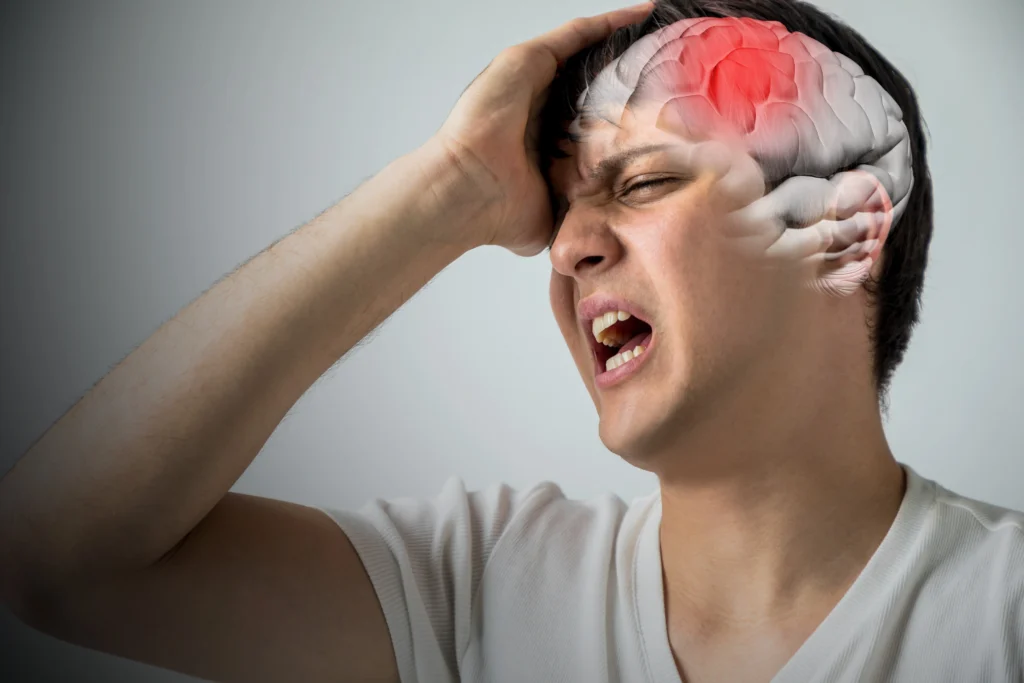
Headaches are common. Many are linked to stress, lack of sleep, dehydration, screen strain, sinus issues, or migraine. But some headaches are different. Some headaches can be a warning sign of stroke, TIA, seizure, meningitis, brain bleeding, raised brain pressure, or another serious neurological problem. The challenge is knowing when to rest, when to book

Warning Signs That a Headache Needs Urgent Medical Attention Read More »

Alzheimer

Early Signs of Alzheimer’s Disease in Older Adults: What Families Should Watch For

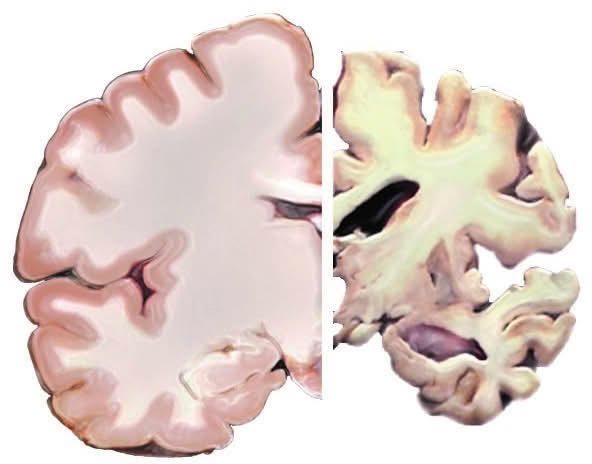
Memory changes in an older adult can be worrying, especially when they begin to affect conversations, daily routines, safety, or independence. The challenge is that early Alzheimer’s disease does not always look dramatic in the beginning. It may start with repeated questions, missed appointments, confusion with familiar tasks, or subtle changes in judgment and personality.

Early Signs of Alzheimer’s Disease in Older Adults: What Families Should Watch For Read More »

Parkinson’s Disease

Early Non-Motor Symptoms of Parkinson’s Disease: What to Watch For

Parkinson’s disease is often linked with tremor, stiffness, and slow movement. But in many people, the earliest changes may not look like movement problems at all. A person may first notice loss of smell, constipation, disturbed sleep, anxiety, depression, tiredness, dizziness, or bladder changes. These symptoms can be confusing because they are common in many

Early Non-Motor Symptoms of Parkinson’s Disease: What to Watch For Read More »

Stroke Warning Signs in Younger Adults

Stroke Warning Signs in Younger Adults: Symptoms You Should Not Ignore

Stroke is often thought of as a condition that affects older people. But younger adults can also have a stroke, and the early signs are sometimes missed because the person looks “too young” to be at risk. The most important thing to remember is this: stroke symptoms usually appear suddenly. If you or someone near

Stroke Warning Signs in Younger Adults: Symptoms You Should Not Ignore Read More »

Scroll to Top