
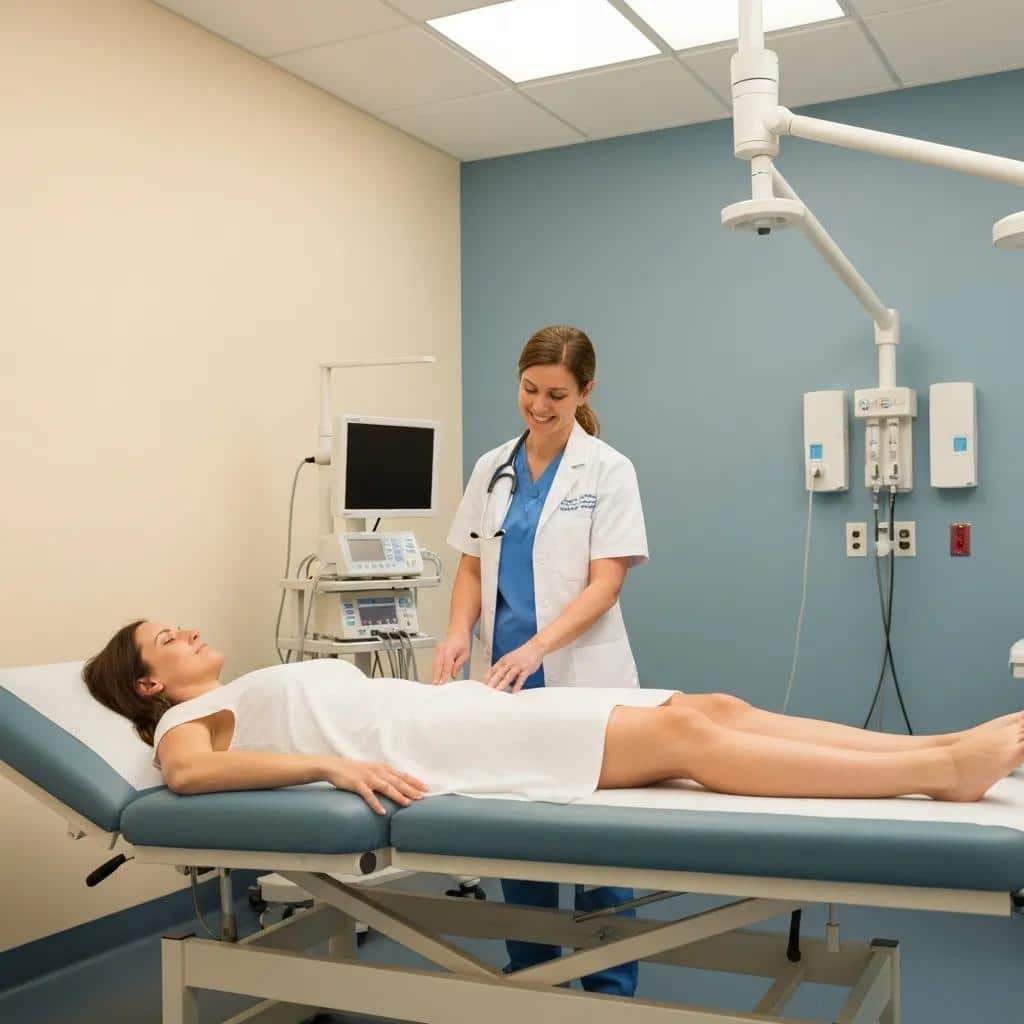
A BERA test checks how sound signals travel from the inner ear through the hearing nerve and into the brainstem. Doctors mainly use it to assess hearing, estimate hearing thresholds, and look for problems affecting the auditory nerve or brainstem hearing pathways.
It is especially helpful when a baby, child, or adult cannot give a reliable response during a regular hearing test.
Medically Guided by Dr. Siddharth Kharkar
Trusted neurological guidance that turns complex test results into clear next steps.
This article is focused on helping patients and families understand what a BERA test can show, what it cannot confirm by itself, and when another hearing, neurological, or imaging test may be needed.
A Quick Answer: What Does a BERA Test Diagnose?
A BERA test can help detect hearing loss, estimate how softly a person can hear, and identify abnormal signal transmission through the auditory nerve and brainstem.
It can also support the evaluation of auditory neuropathy and certain auditory nerve or brainstem disorders. However, BERA cannot confirm a brain tumor, multiple sclerosis, stroke, TIA, seizure disorder, or autism by itself.
The test provides functional information. Your doctor must compare the result with your symptoms, examination, hearing tests, and, when needed, MRI or other investigations. ASHA and Johns Hopkins describe ABR as a test of hearing sensitivity and the functional condition of the auditory nerve pathway.
BERA Test at a Glance
Question | Answer |
Full form | Brainstem Evoked Response Audiometry |
Also called | ABR, BAER, or Auditory Brainstem Response |
What it measures | Electrical responses produced as sound travels through the hearing nerve and brainstem |
Main uses | Estimating hearing levels and checking auditory nerve pathway function |
Who may need it | Newborns, children, adults, and people unable to complete regular hearing testing |
Does the patient need to respond? | No |
Is it painful? | No. The electrodes only record activity from the skin |
Does it use radiation? | No |
Is sleep needed? | Remaining relaxed or asleep helps reduce movement and improve the recording |
Can it provide a complete diagnosis alone? | Not always |
What Does a BERA Test Measure?
BERA measures the tiny electrical responses produced after the ear receives a sound.
Small electrodes are placed on the forehead and near the ears. Clicking sounds or controlled tones are then played through earphones. The electrodes record how quickly the electrical signal moves along the hearing pathway.
The test does not depend on the patient saying, “Yes, I heard that.” This makes it useful for newborn babies, young children, people with developmental difficulties, and anyone who cannot complete a standard behavioral hearing test.
How Sound Signals Travel From the Ear to the Brainstem
Sound enters the ear and stimulates the cochlea, which is the hearing organ inside the inner ear. The cochlea changes sound into electrical nerve signals.
These signals then travel through the auditory nerve toward the brainstem. BERA records a series of waves produced during this journey.
Doctors examine:
- Whether the expected waves are present
- How long each wave takes to appear
- The time between important waves
- The softest sound that produces a repeatable response
- Whether the two ears produce similar responses
These findings provide information about hearing sensitivity and the condition of the auditory nerve pathway.
Why the Patient Does Not Need to Respond
The response recorded during BERA is automatic.
The patient does not need to press a button, raise a hand, repeat a word, or explain what they can hear. They simply need to remain still and relaxed.
This is why BERA is often called an objective hearing test.
What Conditions Can a BERA Test Help Diagnose?
BERA does not diagnose every hearing or neurological condition on its own. It helps doctors identify a pattern and decide what should be investigated next.
Hearing Loss and Hearing Thresholds
One of the main uses of BERA is to estimate hearing sensitivity.
Sounds are played at different levels. The specialist looks for the lowest level that still produces a clear and repeatable response. This gives an estimate of the hearing threshold in each ear.
BERA may help identify:
- Mild, moderate, severe, or profound hearing loss
- Hearing loss affecting one ear more than the other
- Possible nerve-related hearing loss
- Hearing difficulty in a baby or child who cannot complete a regular hearing test
When air-conduction and bone-conduction testing are combined with OAE, tympanometry, and other hearing tests, the results may also help doctors understand whether the hearing loss is more likely to be conductive, sensorineural, or mixed.
A BERA result should not always be treated as a complete replacement for a behavioral audiogram. Click-based testing may provide more information about some sound frequencies than others.
Auditory Neuropathy Spectrum Disorder
Auditory neuropathy is a condition in which the inner ear may detect sound, but the sound signal does not travel through the auditory nerve in a clear and synchronized way.
A person may appear to hear sounds but still have serious difficulty understanding speech, especially in noisy settings.
BERA or ABR is an important part of this evaluation. However, doctors usually compare it with OAE testing, cochlear responses, speech testing, and other findings before confirming auditory neuropathy spectrum disorder.
Auditory Nerve and Brainstem Pathway Abnormalities
 Delayed, missing, or poorly formed BERA waves may suggest that the sound signal is not traveling normally through the auditory nerve or brainstem.
Possible reasons can include:
- Auditory nerve damage
- Demyelination, where the protective covering around nerves is affected
- Abnormal synchronization of nerve signals
- Selected brainstem disorders
- Damage linked with infection, injury, or another neurological condition
An abnormal result shows that the pathway may not be functioning normally. It does not automatically identify the exact disease causing the change.
Acoustic Neuroma or Vestibular Schwannoma
An acoustic neuroma, more accurately called a vestibular schwannoma, is a usually non-cancerous growth involving the nerve that connects the inner ear and brain.
It may cause one-sided hearing loss, tinnitus, imbalance, or dizziness.
BERA may show delayed signal conduction when this nerve is affected. However, it cannot safely rule out a vestibular schwannoma. Smaller tumors may produce a normal or unclear BERA result.
MRI is generally more useful when a structural growth needs to be confirmed or excluded. Research summarized by the NCBI notes that ABR may miss a meaningful number of smaller acoustic tumors.
Multiple Sclerosis and Other Demyelinating Conditions
Multiple sclerosis can slow electrical signals as they travel through parts of the nervous system.
In selected patients, BERA may show delayed conduction through the auditory brainstem pathway. This finding can support a neurological investigation, particularly when hearing or brainstem symptoms are present.
BERA does not diagnose multiple sclerosis. Diagnosis depends on the patient’s history, neurological examination, MRI findings, and other investigations.
What Does a BERA Test Not Diagnose by Itself?
Understanding the limits of the test is just as important as understanding its uses.
Stroke and TIA
BERA is not the usual test used to diagnose a stroke or transient ischemic attack.
A stroke or TIA requires urgent assessment. Doctors may use a neurological examination, CT scan, MRI, blood-vessel imaging, heart tests, and blood investigations.
Sudden facial weakness, arm weakness, speech difficulty, severe imbalance, confusion, or sudden vision loss should be treated as an emergency. Do not wait for a routine BERA appointment.
Seizures and Epilepsy
BERA does not record the type of electrical activity used to diagnose epilepsy.
When seizures, staring spells, blackouts, or episodes of altered awareness are the concern, an EEG is usually more relevant because it records electrical activity from the brain.
A first seizure, a seizure lasting more than five minutes, repeated seizures without recovery, or breathing difficulty requires urgent medical help.
Autism or the Cause of Speech Delay
BERA does not diagnose autism.
It may be recommended for a child with delayed speech to find out whether hearing loss is contributing to the delay. A normal BERA result can make significant hearing-pathway problems less likely, but it does not explain every cause of delayed speech, reduced communication, or developmental difficulty.
Developmental assessment, speech and language evaluation, hearing assessment, and clinical observation may all be needed.
Brain Tumors and Structural Abnormalities
BERA measures function. It does not produce a picture of the brain.
An abnormal result may raise concern about the auditory nerve or brainstem, but MRI or another imaging test is needed to examine structures and look for tumors, inflammation, blood-vessel problems, or other physical abnormalities.
Who May Need a BERA Test?
A doctor may recommend BERA when an objective measurement of hearing or auditory nerve function is needed.
Babies and Children
BERA may be advised when:
- A newborn does not pass an initial hearing screening
- A baby does not respond consistently to sound
- A child has delayed speech or language development
- Regular hearing testing gives uncertain results
- The child is too young to cooperate with behavioral testing
- The child has developmental or communication difficulties
- There is a history of premature birth or neonatal intensive care
- There is a family history of childhood hearing loss
- One ear appears to respond differently from the other
Automated ABR and OAE are both used in newborn hearing screening. A full diagnostic ABR may be recommended after an initial screening result requires follow-up.
Adults With Hearing or Neurological Symptoms
Adults may be referred for BERA when they have:
- Unexplained hearing loss
- Hearing loss that is worse in one ear
- Persistent one-sided tinnitus
- Hearing difficulty that does not match a regular audiogram
- Suspected auditory nerve dysfunction
- Selected dizziness or balance symptoms
- A neurological condition that may affect the brainstem pathway
- Difficulty completing a reliable behavioral hearing test
BERA is not needed for every person with tinnitus, vertigo, or hearing loss. The choice depends on the pattern of symptoms and the clinical examination.
How Is a BERA Test Performed?
BERA is generally a non-invasive outpatient test.
Before the Test
The testing team may ask you to:
- Arrive with clean, dry hair
- Avoid hair oil, gel, or spray
- Bring previous hearing tests, scans, and medical reports
- Tell the team about medicines or medical conditions
- Follow specific sleep or feeding instructions if the test is for a baby
If sedation is being considered, the clinic will provide separate fasting and safety instructions. Do not change food, medication, or sleep routines without following the testing center’s advice.
During the Test
The patient lies down or sits in a comfortable position.
Small areas of skin are cleaned, and electrodes are attached to the forehead and near the ears. These electrodes record activity. They do not send an electric shock into the head.
Earphones or small ear inserts deliver clicking sounds or tones. Each ear may be tested separately at different sound levels.
The patient must remain still because muscle movement can interfere with the recording. Babies are often tested during natural sleep. Some children may require sedation under appropriate medical supervision if reliable testing cannot otherwise be completed.
After the Test
The electrodes are removed, and the recording is reviewed.
The test itself does not require recovery time. However, a patient who has received sedation must follow the medical team’s recovery and discharge instructions.
What Do BERA Test Results Mean?

A BERA report contains waves that represent activity at different points along the auditory pathway.
The specialist commonly examines waves I through V, although the exact interpretation depends on the testing protocol.
Important measurements include:
- Absolute wave latency
- Interpeak latency
- Wave shape
- Repeatability
- Differences between the ears
- The lowest sound level that produces a response
What a Normal BERA Result May Mean
A normal result generally means that the expected responses were recorded within the reference limits used for that patient’s age, test method, and equipment.
It can suggest that:
- Sound is reaching the auditory nerve
- Signals are traveling through the brainstem within the expected time
- No major abnormality was detected in the tested part of the pathway
- The estimated hearing threshold is within the expected range
A normal result does not rule out every hearing problem. Mild, delayed-onset, or frequency-specific hearing loss may require other testing. ASHA notes that automated newborn screening can miss some mild or isolated-frequency hearing loss.
What an Abnormal BERA Result May Mean
An abnormal result may show:
- A higher-than-expected hearing threshold
- Delayed waves
- Missing waves
- A meaningful difference between the two ears
- Abnormal time between waves
- Poor synchronization of auditory nerve signals
Possible explanations include:
- Conductive hearing difficulty
- Cochlear or sensorineural hearing loss
- Auditory neuropathy
- Auditory nerve dysfunction
- Selected brainstem pathway abnormalities
- Temporary middle-ear problems
- Movement or recording interference
An abnormal BERA report is not a diagnosis by itself.
Why Further Testing May Be Needed
Depending on the result, the doctor may recommend:
- OAE
- Tympanometry
- Pure-tone audiometry
- Speech audiometry
- MRI
- ENT evaluation
- Neurological examination
- Developmental or speech assessment
Doctors may combine BERA with other neurological diagnostic tests when symptoms involve more than hearing or when the result suggests a wider nervous-system problem.
BERA Versus Other Hearing and Neurological Tests
Test | What it mainly checks | Common reason it is used |
BERA / ABR | Auditory nerve and brainstem responses to sound | Objective hearing estimation and auditory pathway assessment |
OAE | Responses produced by the cochlea | Newborn screening and inner-ear hair-cell function |
Pure-tone audiometry | The quietest tones a person can consciously hear | Standard hearing assessment |
Tympanometry | Eardrum and middle-ear movement | Fluid, pressure, or middle-ear problems |
EEG | Electrical activity in the brain | Seizures, epilepsy, and altered awareness |
VEP | Visual signal travel from the eyes to the brain | Optic nerve and visual pathway disorders |
MRI | Physical structures of the brain and nerves | Tumors, inflammation, stroke, and structural disease |
A VEP test may be considered when the concern involves the optic nerve or visual pathway. It does not replace BERA when the clinical question is about hearing and the auditory brainstem pathway.
How Should You Prepare for a BERA Test?
Preparation can improve the quality of the recording.
For adults:
- Wash your hair and avoid hair products
- Eat normally unless the clinic gives different instructions
- Take regular medicine unless your doctor tells you otherwise
- Bring previous reports
- Avoid wearing large earrings or hair accessories
- Try to arrive rested and relaxed
For babies and young children:
- Follow the clinic’s sleep instructions
- Ask when the baby should be fed
- Bring a bottle, blanket, pacifier, or comfort item
- Carry previous newborn hearing reports
- Tell the clinic if the child has a cold, fever, ear infection, or recent illness
- Follow all fasting instructions when sedation is planned
Do not deliberately keep a baby awake for a long period unless the testing team has given clear instructions.
When BERA Is Not the First Priority
Do not delay emergency assessment to arrange a BERA test when a person has:
- Sudden weakness on one side
- Facial drooping
- Sudden speech difficulty
- New severe confusion
- Sudden loss of vision
- A first seizure
- A seizure lasting more than five minutes
- Repeated seizures without regaining awareness
- Severe breathing difficulty
- Sudden hearing loss developing over hours or days
BERA is a planned diagnostic test. It is not an emergency stroke, TIA, or seizure investigation.